#1 Overall Winner
ADATA HD720 2TB
- 2TB capacity provides twice the stated storage of the HD770G 1TB model.
Comparison
The ADATA HD720 2TB and ADATA HD770G 1TB RGB are rugged portable mechanical hard drives built for backup and protection against drops, dust, and water. The HD720 is the more practical overall choice for buyers needing 2TB, lower weight, and a higher stated drop rating, while the HD770G suits gamers who value console use, RGB lighting, and its slightly stronger reliability score.
#1 Overall Winner
Contender
Choose the HD720 2TB for larger backups, lighter carry weight, stated Windows/Mac/Linux support, and the higher stated drop rating. Choose the HD770G 1TB RGB for gaming setups, RGB aesthetics, and explicit console-oriented use. Neither is the right choice when SSD-level speed is the priority.
Overall winner
Depends on your needs
| Feature | ADATA HD720 2TB | ADATA HD770G 1TB RGB | Winner |
|---|---|---|---|
Overall supplied score |
84 |
83 |
ADATA HD720 2TB |
Stated capacity |
2TB |
1TB |
ADATA HD720 2TB |
Water and dust protection |
IPX8; IP6X |
Exceeds IP68 |
Depends |
Stated drop protection |
1.8m |
1.22m |
ADATA HD720 2TB |
Weight |
8 oz |
9.5 oz |
ADATA HD720 2TB |
Speed score |
72 |
68 |
ADATA HD720 2TB |
Gaming-console focus |
Not stated |
Stated console use |
ADATA HD770G 1TB RGB |
Lighting and style |
Sporty silicone design |
RGB light strips |
ADATA HD770G 1TB RGB |
Compatibility |
Windows, Mac OS X, Linux |
PC, desktop, gaming console |
Depends |
Reliability score |
82 |
87 |
ADATA HD770G 1TB RGB |
Setup score |
91 |
86 |
ADATA HD720 2TB |
Customer rating and review count |
4.7/5; 2,912 reviews |
4.7/5; 4,551 reviews |
ADATA HD770G 1TB RGB |
Both products are portable mechanical HDDs, so their performance is best suited to backup, file storage, and transfers rather than workloads that demand SSD-class speed. The HD720 has the higher supplied performance and speed scores, and its reviews mention quick or seamless transfers. HD770G users generally describe speed as normal or sufficient for photos and console gaming, but reviewers also acknowledge that it is not as fast as an SSD. For general file transfers, the HD720 has a small scoring advantage; for game storage, the HD770G has clearer documented use.
The HD720 has a higher supplied speed score, 72 compared with 68 for the HD770G. Its listed data rate is 5,000 megabits per second, while the HD770G lists 90 megabits per second; these supplied figures should be interpreted cautiously because real-world HDD transfer speed depends on the drive, files, host system, and USB connection. In review feedback, HD720 transfers are described as quick or seamless, while HD770G performance is described as normal and adequate rather than SSD-fast.
The HD770G has the stronger supplied reliability score, 87 versus 82, and its reviews are generally positive about working without issues. The HD720 also has many positive reports, including long-term use of related ADATA rugged drives, but its supplied review sample includes a notable report of clicking, bad sectors, data corruption, and very slow access. That isolated complaint does not establish a universal issue, but it is relevant for anyone storing irreplaceable data. Maintain more than one backup with either drive.
The HD720 has the higher supplied usability and setup scores. Reviews describe it as easy to use, with seamless transfers, and its cable-attachment design is specifically praised. The HD770G is also generally straightforward to connect, but console use may require formatting; one PS4 reviewer recommends converting it to exFAT on a PC. The HD770G’s RGB lighting is visually appealing to some users, though one Xbox owner reports that the lights remain on when the console is off.
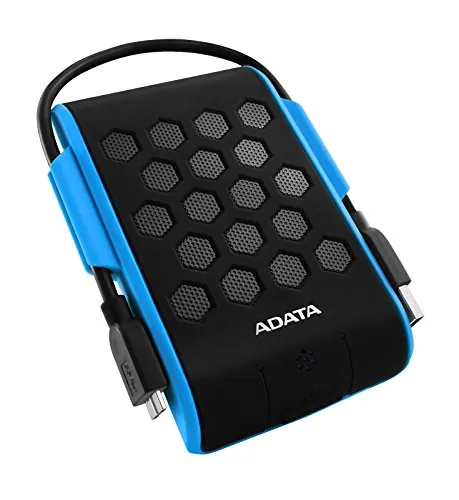
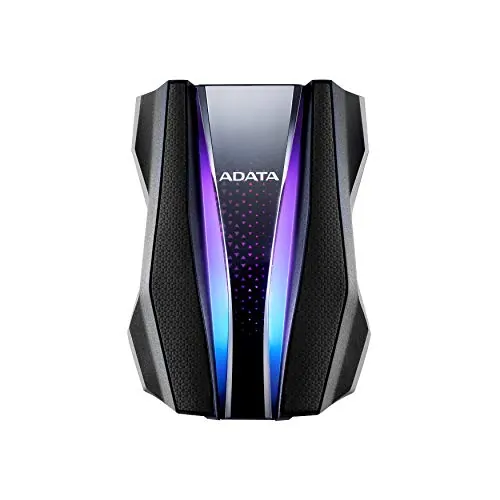
The HD720 has a sporty, functional design intended for portable backup, with a silicone case and attached cable arrangement. It is lighter and has stated dimensions, making its physical practicality easier to assess. The HD770G is deliberately more expressive: chamfered edges, two RGB light-beam strips, and a futuristic gaming aesthetic distinguish it from conventional external drives. Choose the HD720 for understated portability; choose the HD770G if illuminated desktop or gaming styling is a priority.
Both drives are built around protective multi-layer enclosures. The HD720 uses a plastic and silicone-rubber enclosure with a high-end silicone case and carbon-fibre-like pattern, while the HD770G uses metal and plastic alongside a shock-absorbing silicone casing, buffer, and cushioned drive mount. The HD720 has the higher supplied build-quality score, but the HD770G’s reviews frequently praise its solid feel, rubber protection, and sturdy construction. Both are strong choices for users who expect accidental knocks.
Durability is a core strength of both drives. The HD720 claims IPX8 water protection to 2m for 120 minutes, total IP6X dust protection, and a 1.8m military-grade drop test. The HD770G claims protection beyond IP68 and uses a triple-layer shock-absorbing structure, but lists a lower 1.22m fall-survival figure. The HD770G has a marginally higher supplied durability score, while the HD720 has the more demanding stated drop height. Both are well suited to users who want rugged HDD storage.
The HD720 is the more portable option on the supplied measurements. At 8 ounces, it weighs 1.5 ounces less than the 9.5-ounce HD770G, and its 5.1 by 3.85 by 0.8-inch dimensions are provided. Both are portable 2.5-inch drives with no separate mains power stated. The HD770G’s added protection and lighting contribute to a more substantial gaming-oriented package, while the HD720 is better for users who prioritise a lighter backup drive.
The HD720 focuses its feature set on capacity and stated environmental protection: 2TB, IPX8 water protection to 2m for 120 minutes, IP6X dust protection, and a 1.8m drop-test claim. The HD770G adds RGB strips, chamfered styling, a perforated centre pattern, triple-layer construction, and stated console use. Its design is more feature-rich for a gaming desk, whereas the HD720 is more practical for buyers who need more room and clearly stated multi-platform operating-system support.
Neither drive requires a companion-app experience in the supplied details. The HD720 leads on the provided setup score and is described by reviewers as easy to use, with seamless transfers. The HD770G is also plug-and-transfer friendly for computer use, but console installation can involve a formatting step. Its supplied cable is USB Type-A, so buyers using USB-C-only devices should plan for a compatible adapter. Check the intended device before purchase.
The HD720 provides the more detailed operating-system compatibility list: Windows XP, Vista, 7, 8, and 8.1; Mac OS X 10.6 or later; and Linux kernel 2.6 or later. The HD770G is listed for PC, desktop, and gaming-console use, with reviews describing PS4 and Xbox One operation. For general computer use across the listed operating systems, the HD720 is better documented. For console use, the HD770G is the safer match, provided you verify formatting and platform requirements.
The HD720 lists USB 3.0 and backward USB 2.0 compatibility, with stated support for Windows XP through 8.1, Mac OS X 10.6 or later, and Linux kernel 2.6 or later. The HD770G lists USB 3.1 Type-A and PC hardware, while its details and reviews support gaming-console use. Neither product is stated to use USB-C. The HD720 receives the higher supplied connectivity score, but the HD770G is preferable when console storage is central to the purchase.
Both are bus-powered portable HDDs in the supplied information, with no separate mains power stated. The HD770G has a slightly higher supplied power-efficiency score, 80 versus 78. However, the data does not provide comparable measured power consumption, standby drain, or charging information. The RGB lighting is an additional active feature on the HD770G, and one review notes that it can remain illuminated after an Xbox is switched off.
The HD770G has the higher supplied value score, 84 versus 82, supported by positive feedback about its appearance, protection, and perceived value. That does not automatically make it the better buy for every user. At the listed prices, the HD720 costs slightly more but doubles stated capacity, weighs less, and offers a higher stated drop rating. Choose the HD770G if its console focus and RGB design have real value to you; choose the HD720 if storage capacity and portability matter more.
Both products are made by ADATA and have the same supplied brand-trust score, so there is no meaningful brand-level winner from the available information. Buyer confidence should instead come from the specific model’s protection claims, compatibility with your equipment, review patterns, and the need to maintain redundant copies of important files. Warranty and support terms are not provided for a direct comparison.
Both drives have a 4.7/5 rating, indicating similarly strong headline satisfaction. The HD770G has more supplied reviews, 4,551 versus 2,912, and a one-point advantage in customer-satisfaction score. Its feedback repeatedly praises RGB appearance, protective construction, console use, and ease of operation. HD720 feedback praises ruggedness, the cable design, and transfer ease, although its review sample includes one serious reliability complaint. The HD770G has the slight edge in the supplied satisfaction evidence.
The ADATA HD720 2TB is the best overall choice in this comparison. Its one-point overall-score lead is modest, but the practical benefits are clear: twice the stated capacity, a lighter 8-ounce design, detailed Windows/Mac OS X/Linux compatibility, stronger setup and connectivity scores, and a higher stated 1.8m drop-test rating. It is the better all-round rugged external HDD for general backup and portable storage.
The ADATA HD770G 1TB RGB is not simply a runner-up. It is the better match for users who want RGB lighting, a more distinctive gaming-focused design, and documented game-console use. It also carries slightly higher supplied durability, reliability, value, and customer-satisfaction scores. Select it if those priorities outweigh the reduction to 1TB and the added weight. Whichever model you choose, remember that both are mechanical drives and maintain duplicate backups of valuable data.

Overall winner
Depends on your needs
The supplied overall scores narrowly favour the ADATA HD720 2TB, 84 versus 83. It is the more practical choice when 2TB capacity, lower weight, stated cross-platform support, and the 1.8m drop-test claim matter most. The HD770G remains a strong alternative for gaming-oriented styling, RGB lighting, and its slightly higher supplied reliability and value scores.
The HD720 in this comparison provides 2TB of stated capacity, while the HD770G configuration provides 1TB. That makes the HD720 the clearer option for larger backup libraries, media collections, or files that need more room. Actual usable space after formatting can be lower than the advertised decimal capacity, a point also raised in HD770G reviews.
The HD720 has the stronger stated drop figure: it is described as passing a 1.8m drop test to MIL-STD-810G 516.6. The HD770G also cites MIL-STD-810G 516.6, but its supplied claim is survival from falls up to 1.22m. Both use multi-layer protective construction intended to reduce accidental-drop risk.
The HD770G is the better documented gaming option because its details specifically state desktop and gaming-console compatibility, and reviews describe successful PS4 and Xbox One use. One PS4 review says formatting to exFAT on a PC was needed. Check the requirements for your particular console and game-storage workflow before buying.
No USB-C connection is stated for either product. The HD720 lists USB 3.0 and USB 2.0 compatibility, while the HD770G lists USB 3.1 Type-A. An HD770G reviewer specifically wished for USB-C input and mentioned using an adapter. Confirm your computer’s available ports and any adapter requirements before purchase.
The HD720 has the advantage for portability in the supplied data. It weighs 8 ounces and measures 5.1 by 3.85 by 0.8 inches, while the HD770G weighs 9.5 ounces. Both are portable 2.5-inch external drives, but the HD720 is the lighter choice and also receives the higher portability score.
Both are conventional mechanical external hard drives, so neither should be chosen when SSD-class transfer speed is required. The HD720 is described by several reviewers as working well for file transfer and backup, while HD770G reviews call its transfer performance adequate or normal for their needs. The supplied speed score is higher for the HD720, 72 versus 68.
Both products have a 4.7/5 rating in the supplied Amazon data. The HD770G has more reviews, 4,551 versus 2,912, and a marginally higher customer-satisfaction score. HD720 feedback often praises its protective case and easy transfers, though one review reports clicking, bad sectors, and possible data corruption. HD770G feedback is generally positive about build and lighting.
Check our rankings and expert guides to find the best electronics products for your goals.