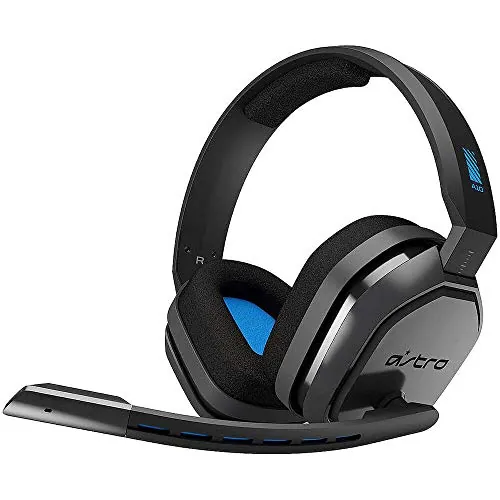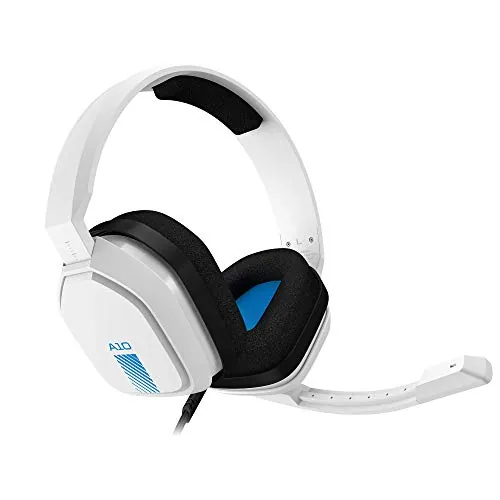
#1 Overall Winner
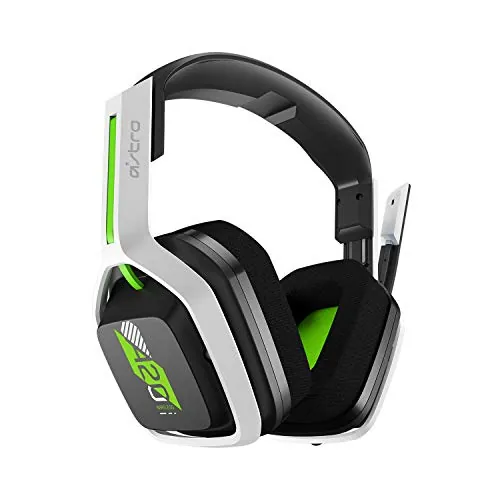
ASTRO Gaming A20 Wireless Headset Gen 2 for Xbox Series X | S, Xbox One, PC & Mac - White/Green
- Higher overall score in this comparison dataset, driven by strong performance, connectivity, and compatibility scores.
Comparison
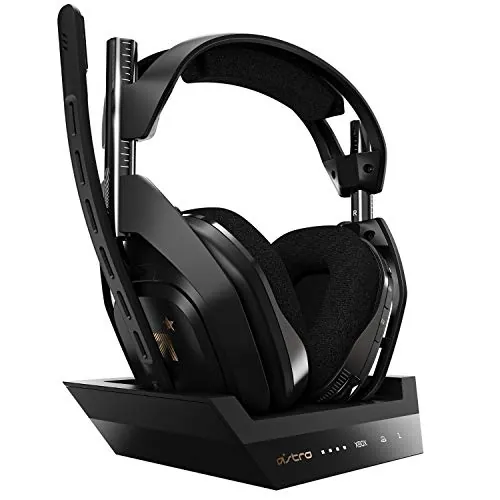
The ASTRO A20 Gen 2 and ASTRO A50 Gen 4 are wireless over-ear gaming headsets aimed at Xbox and PC play, but they prioritize different things. In the provided scoring, the A20 Gen 2 leads overall thanks to stronger connectivity, audio, and day-to-day usability, while the A50 Gen 4 counters with a deeper feature set (base station + software + Dolby options). If you want fewer reported hiccups, the A20 looks like the safer choice; if you want more tuning and dock charging, the A50 may still appeal—especially if your unit is trouble-free.
#1 Overall Winner
Contender
Choose the ASTRO A20 Gen 2 if you want a lighter, simpler wireless headset with stronger overall scoring for connectivity, audio, and compatibility.
Choose the ASTRO A50 Gen 4 if you specifically want the base station workflow and software tuning features—and you’re comfortable with mixed owner feedback on disconnects and long-term reliability.
Overall winner
Depends on your needs
| Feature | ASTRO Gaming A20 Wireless Headset Gen 2 for Xbox Series X | S, Xbox One, PC & Mac - White/Green | ASTRO Gaming A50 Wireless Headset + Base Station Gen 4 - Compatible with Xbox Series X|S, Xbox One, PC, Mac - Black/Gold | Winner |
|---|---|---|---|
| Overall score (dataset) | 78 | 63 | ASTRO Gaming A20 Wireless Headset Gen 2 for Xbox Series X | S, Xbox One, PC & Mac - White/Green |
| Amazon rating | 4.5/5 (3,716 reviews) | 3.8/5 (6,511 reviews) | ASTRO Gaming A20 Wireless Headset Gen 2 for Xbox Series X | S, Xbox One, PC & Mac - White/Green |
| Price (provided) | $89.99 | $170.29 | ASTRO Gaming A20 Wireless Headset Gen 2 for Xbox Series X | S, Xbox One, PC & Mac - White/Green |
| Wireless approach (listed) | 2.4 GHz RF + USB transmitter; Bluetooth 5.0 listed | 2.4 GHz listed; Bluetooth 4.0 listed; base station | Depends |
| Battery life (listed) | 15+ hours | 15+ hours | Tie |
| Battery life score (dataset) | 78 | 62 | ASTRO Gaming A20 Wireless Headset Gen 2 for Xbox Series X | S, Xbox One, PC & Mac - White/Green |
| Audio quality score (dataset) | 81 | 72 | ASTRO Gaming A20 Wireless Headset Gen 2 for Xbox Series X | S, Xbox One, PC & Mac - White/Green |
| Features score (dataset) | 74 | 78 | ASTRO Gaming A50 Wireless Headset + Base Station Gen 4 - Compatible with Xbox Series X|S, Xbox One, PC, Mac - Black/Gold |
| Connectivity score (dataset) | 82 | 58 | ASTRO Gaming A20 Wireless Headset Gen 2 for Xbox Series X | S, Xbox One, PC & Mac - White/Green |
| Reliability score (dataset) | 64 | 39 | ASTRO Gaming A20 Wireless Headset Gen 2 for Xbox Series X | S, Xbox One, PC & Mac - White/Green |
| Durability score (dataset) | 67 | 42 | ASTRO Gaming A20 Wireless Headset Gen 2 for Xbox Series X | S, Xbox One, PC & Mac - White/Green |
| Setup score (dataset) | 84 | 82 | ASTRO Gaming A20 Wireless Headset Gen 2 for Xbox Series X | S, Xbox One, PC & Mac - White/Green |
| Weight (listed) | 318 g | 675 g | ASTRO Gaming A20 Wireless Headset Gen 2 for Xbox Series X | S, Xbox One, PC & Mac - White/Green |
| Software customization (listed) | Not specified; 3 on-headset EQ presets | Astro Command Center software support | ASTRO Gaming A50 Wireless Headset + Base Station Gen 4 - Compatible with Xbox Series X|S, Xbox One, PC, Mac - Black/Gold |
| Compatibility score (dataset) | 86 | 74 | ASTRO Gaming A20 Wireless Headset Gen 2 for Xbox Series X | S, Xbox One, PC & Mac - White/Green |
| Warranty/support score (dataset) | 50 | 34 | ASTRO Gaming A20 Wireless Headset Gen 2 for Xbox Series X | S, Xbox One, PC & Mac - White/Green |
For real-world gaming performance, both headsets aim to deliver clear positional cues and party chat usability, but the dataset favors the A20 Gen 2. It scores higher for performance (82 vs 68) and audio quality (81 vs 72), and reviewers commonly describe its sound as strong for games.
The A50 Gen 4 can sound excellent for some owners and includes Dolby features in its product details, but performance in practice is tightly linked to connection stability. With many reports of base-station disconnects and charging quirks, the A50’s performance experience appears more variable across buyers.
Reliability is a major deciding factor here. The A20 Gen 2 has mixed reliability feedback but still scores substantially higher (64 vs 39). Some reviewers report years of use, while others report failures—so it isn’t risk-free.
The A50 Gen 4 shows stronger signs of inconsistency, with multiple reports of repeated disconnects, replacements developing the same problem, and units eventually failing. If you want to minimize the chance of ongoing troubleshooting, the A20 is the better bet based on the provided data.
The A20 Gen 2 scores higher for usability (80 vs 66) and is generally positioned as “plug in the transmitter and go,” with straightforward on-headset presets and a flip-to-mute mic. Reviews often highlight comfort and simple everyday use.
The A50 Gen 4 can be quick to get running (some reviews describe very fast PC setup), but its control scheme and base-station relationship can add friction. At least one review calls the game/chat balancing control confusing, and broader feedback points to disconnect issues that can turn usability into troubleshooting.
Design is partly subjective, but there are practical differences. The A20 Gen 2 is much lighter (318 g) and its design feedback centers on comfort; one reviewer notes it isn’t especially “stylish for streaming,” but it’s considered functional.
The A50 Gen 4 is heavier (675 g) and designed around its base-station ecosystem and touch-style controls. Some users like the look and premium concept, but fit and hardware complaints (like headband issues) appear in the review summary, which matters as much as appearance for a daily-wear headset.
Neither headset is presented as flawless, but the dataset favors the A20 Gen 2 for build quality (73 vs 60) and durability (67 vs 42). A20 reviews include long-term positive ownership examples, though there are still mixed reliability reports overall.
The A50 Gen 4 has more polarized feedback: some users describe it as solid and premium-feeling, while aggregated feedback mentions headband popping off and charging-related problems. If you want fewer reported physical issues, A20 is the safer pick in the provided data.
Durability scoring favors the A20 Gen 2 (67 vs 42). User feedback includes examples of long-term use, though durability is still not universally praised.
The A50 Gen 4 has more durability-related negatives in the review summary, including the headband popping off and other long-term issues. If you’re rough on gear or want fewer reported physical issues, A20 looks safer in this dataset.
The A20 Gen 2 is significantly lighter (318 g) than the A50 Gen 4 (675 g), which typically makes it easier to wear while moving around the house and simpler to pack away. Reviews also describe using it while doing chores thanks to its wireless range.
The A50 Gen 4 is less portable in practice because it is heavier and built around a base station that’s best left on a desk. If you want a headset that’s easier to grab and move between rooms or setups, A20 has the practical advantage.
The A50 Gen 4 is the more feature-heavy option. It includes a base station, supports Astro Command Center software for deeper control, and lists Dolby Audio plus Dolby Atmos availability for the Xbox version. It’s also described as “mod kit ready” for optional cushion/headband changes.
The A20 Gen 2 keeps things simpler: three EQ presets, flip-to-mute, and on-device game/voice balancing on Xbox or PC, plus the option to expand compatibility by adding an extra USB transmitter (sold separately). If you want the most tools and tuning, A50 wins; if you want the essentials without extra complexity, A20 fits better.
Only the A50 Gen 4 clearly presents an app/software layer: Astro Command Center is listed as free software for adjusting audio and communication settings (Windows/Mac/Xbox One stated). That can be a meaningful advantage for users who want to tailor EQ and voice settings.
The A20 Gen 2 does not list a comparable app experience in the provided data, focusing instead on on-headset EQ presets and controls. If software tuning matters to you, A50 is the more relevant pick.
Setup is strong for both in the dataset (A20: 84; A50: 82). The A20 Gen 2 uses a console-specific USB transmitter approach that reviewers often describe as straightforward, and it’s geared toward quick switching without fuss.
The A50 Gen 4 can also be very fast to set up (one review describes PC plug-and-play in under a minute), but its base station adds an extra piece of hardware. Given frequent reports of disconnects from the base, setup may not be the hardest part—long-term stability is the bigger differentiator.
Both are positioned for Xbox and PC use, but the dataset gives the advantage to the A20 Gen 2 for compatibility (86 vs 74). The A20 explicitly lists compatibility with Xbox Series X|S, Xbox One, PC, and Mac, and it mentions an optional extra USB transmitter (sold separately) to expand console compatibility without changing headsets.
The A50 Gen 4 is listed as compatible with Xbox Series X|S, Xbox One, PC, and Mac, and it also notes continuous compatibility for Xbox Series X. Still, the scoring and review themes suggest the experience may vary depending on platform and connection stability.
Audio is a key reason to consider either headset, and the provided scoring gives the edge to the A20 Gen 2 (81 vs 72). Many A20 buyers describe strong sound for games, with useful on-headset EQ presets for quick changes.
The A50 Gen 4 is more feature-forward for audio processing, listing Dolby Audio and Dolby Atmos (Xbox version) plus software tuning. However, customer sentiment is more mixed on sound, and frequent base-station disconnect complaints can undermine perceived audio quality if audio cuts out mid-session.
Connectivity is where the two models separate most clearly in the dataset. The A20 Gen 2 scores much higher for connectivity (82 vs 58) and is built around a console-specific USB transmitter with a stated 2.4 GHz connection and up to 15 m range.
The A50 Gen 4 also targets 2.4 GHz wireless play and includes a base station, but customer feedback repeatedly mentions the headset disconnecting from the base station and reconnecting (or requiring power-cycling). If stable wireless is your top priority, the A20’s profile is stronger here.
Both headsets state 15+ hours of battery life. In the dataset, the A20 Gen 2 rates higher for battery life (78 vs 62), and some A20 reviews explicitly say it meets the 15-hour expectation.
The A50 Gen 4 has owners who praise battery life, but aggregated feedback also points to charging issues. The base station can be convenient when it works well, but if charging behavior is inconsistent, day-to-day battery confidence can suffer.
The dataset scores power efficiency slightly higher for the A20 Gen 2 (72 vs 58). Both list roughly 15 hours of battery life, but user feedback suggests the A50 is more likely to encounter charging-related complaints. If predictable charging behavior matters, the A20’s profile looks more reassuring based on the provided information.
Value isn’t just price—it’s what you get relative to consistency and satisfaction. The A20 Gen 2 scores higher for value (72 vs 56) and also has a higher Amazon rating (4.5/5 vs 3.8/5). It offers the core wireless gaming features (transmitter-based connection, EQ presets, flip-to-mute, 15+ hour battery) without the extra complexity of a base station.
The A50 Gen 4 can justify its higher cost for buyers who will use its software tuning, base-station workflow, and Dolby features—but mixed reliability and connectivity complaints reduce its value proposition for many shoppers in this dataset.
In the dataset, brand trust scores favor the A20 Gen 2 (74 vs 52). Reviews include strong brand loyalty comments for Astro on the A20 side, alongside the expected negative experiences from some buyers.
The A50 Gen 4 includes some very positive testimonials, but it also includes sharper criticism around repeat failures and support outcomes, which aligns with its lower brand-trust and warranty/support scoring in the provided data.
Customer satisfaction signals are stronger for the A20 Gen 2. It has a higher Amazon rating (4.5/5) with 3,716 reviews, and the aggregated summary highlights strong sound and comfort even though mic quality and reliability are mixed.
The A50 Gen 4 has more reviews (6,511) but a lower rating (3.8/5) and more frequent complaints centered on disconnects from the base station, charging issues, and headband problems. In this head-to-head, the A20 looks like the better “average buyer” experience.
Warranty/support information is limited, so this comparison relies on the provided scores and review sentiment. The dataset scores warranty/support higher for the A20 Gen 2 (50 vs 34). The A50 reviews include at least one detailed negative support story involving replacements and warranty handling.
If support outcomes matter to you, consider buying from a retailer with a clear return window and confirm how replacements are handled before committing—especially for the A50 given the reliability complaints.
Based on the provided data, the ASTRO A20 Gen 2 is the better overall choice. It scores higher across the categories most buyers feel every day—connectivity stability, audio quality, compatibility, and usability—and it also carries a stronger Amazon rating. If you want a wireless gaming headset that’s easy to live with, A20 is the more evidence-supported recommendation here.
The ASTRO A50 Gen 4 remains compelling for buyers who want more tools: a base station, software customization through Astro Command Center, and Dolby features described for the Xbox version. The tradeoff is risk: reviews and the scoring data both point to inconsistent reliability and base-station disconnect problems. If those features are must-haves and you’re comfortable validating stability early within a return window, the A50 can still make sense.
Overall winner
Depends on your needs
Based on the provided scoring data, the ASTRO A20 Gen 2 comes out ahead overall (78 vs 63). The A20’s profile is stronger for performance, connectivity, and compatibility, while the A50’s advantage is a higher feature score thanks to its base station and software tuning. If you want the more consistent “set it and play” option in this dataset, the A20 is the safer pick.
In the provided scores, A20 Gen 2 rates higher for audio quality (81 vs 72), and many A20 reviews describe the sound as “great.” The A50 is also praised by some owners and includes Dolby features in its product details, but Amazon feedback is more mixed overall, including complaints around connectivity that can affect real-world experience.
If you care about software-based tuning, the A50 stands out because it explicitly includes Astro Command Center support for adjusting audio and voice settings (as described). The A20 emphasizes on-headset EQ presets and on-device balancing rather than software customization in the provided data. Choose A50 if you want more control and don’t mind extra setup/troubleshooting potential.
Both score well for setup, with the A20 slightly higher (84 vs 82). The A20’s USB transmitter approach is designed to be straightforward, and multiple A20 reviews mention easy connection. The A50 can also be quick—one review describes PC setup in under a minute—but the broader review summary highlights base-station disconnect issues that can complicate ownership for some users.
Comfort feedback is positive for both, but the A20 has a stronger usability/comfort profile in the dataset and is much lighter on paper (318 g vs 675 g). A20 reviewers frequently mention all-day comfort. The A50 also has comfort praise, yet aggregated feedback includes mixed notes on fit and durability (including the headband popping off), so comfort can be more variable by user.
Neither headset is “perfect” in the provided data, but the A20 Gen 2 rates much higher for reliability (64 vs 39) and durability (67 vs 42). A50 reviews frequently cite disconnects from the base station and charging issues. A20 reviews also include reliability complaints, but they are less dominant than the A50’s repeated base-station dropout theme.
Both list around 15+ hours of battery life in the product information. In the scoring data, the A20 rates higher for battery life (78 vs 62). Real-world feedback is mixed for both, but the A50’s review summary includes more reports of charging issues, while A20 owners more often describe battery life meeting expectations.
Both models emphasize game/voice balancing in their product descriptions. The A20 specifically lists on-device balancing on Xbox or PC. The A50 positions game/voice balance as a core feature and adds software control via Command Center, though at least one review finds the rocker-style adjustment confusing. If you want simpler controls, the A20 may feel more straightforward; if you want deeper control, the A50 can fit—assuming stable connectivity.
It depends on what you value. The A50 offers a more feature-rich package (base station, Astro Command Center, Dolby features listed), but it has lower overall scoring here and much weaker reliability/durability metrics, alongside mixed Amazon satisfaction (3.8/5). If you mainly want dependable wireless gaming audio and comfort at a lower price, the A20’s stronger overall profile makes it easier to justify in this dataset.
Check our rankings and expert guides to find the best electronics products for your goals.