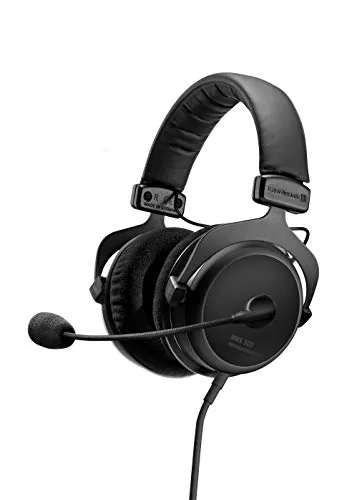
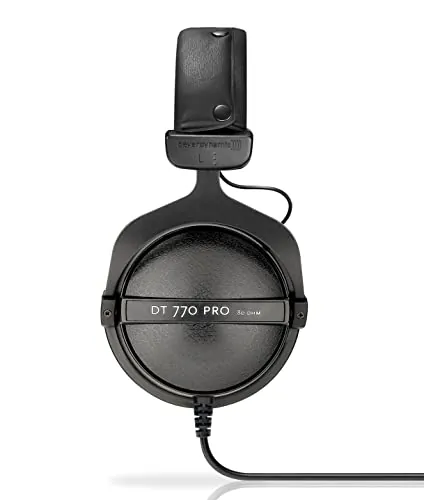
ElectronicsRanker
Menu
beyerdynamic DT 770 PRO vs DT 990 PRO 80 Ohm: Which Should You Buy?

Comparison

beyerdynamic DT 770 PRO vs DT 990 PRO 80 Ohm: Which Should You Buy?

The beyerdynamic DT 770 PRO 80 Ohm and DT 990 PRO 80 Ohm are similarly priced, wired studio-style headphones with strong review ratings, but they’re built for different listening environments. The DT 770 PRO’s closed-back isolation suits recording, monitoring, and shared rooms, while the DT 990 PRO’s open-back soundstage targets critical listening and positional gaming in quieter spaces. On the provided overall scoring, the DT 770 PRO edges the comparison, but the best choice depends heavily on whether you need isolation or openness.

Expert tested Data driven Unbiased reviews Updated 10 June 2026
beyerdynamic DT 770 PRO 80 Ohm Over-Ear Studio Headphones

#1 Overall Winner

beyerdynamic DT 770 PRO 80 Ohm Over-Ear Studio Headphones

87/100
  • Strong audio performance for monitoring: High audio-quality scoring and frequent review praise for clear, detailed sound with tight bass.
View review
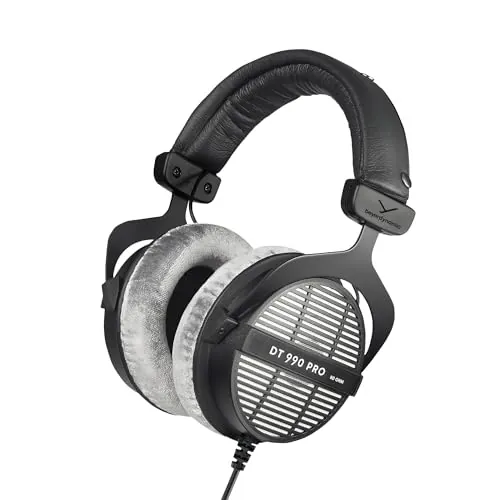
beyerdynamic DT 990 PRO 80 Ohm Open Back Over-Ear Studio Headphones

Contender

beyerdynamic DT 990 PRO 80 Ohm Open Back Over-Ear Studio Headphones

84/100
  • Open-back soundstage and imaging: Positioned for “wide open sound,” and reviews highlight spatial presentation and pinpoint gaming positioning.
View review

Quick verdict

Pick the DT 770 PRO 80 Ohm if you need isolation for recording/monitoring, want less sound leakage, and prefer a more controlled closed-back experience.

Pick the DT 990 PRO 80 Ohm if you listen in a quiet room and want an open-back soundstage for critical listening, mixing decisions, and positional gaming—especially if you’re okay using EQ if the treble feels too bright.

Overall winner

Depends on your needs

At-a-glance comparison

Feature beyerdynamic DT 770 PRO 80 Ohm Over-Ear Studio Headphones beyerdynamic DT 990 PRO 80 Ohm Open Back Over-Ear Studio Headphones Winner
Overall score (provided) Higher overall scoring Lower overall scoring beyerdynamic DT 770 PRO 80 Ohm Over-Ear Studio Headphones
Design type Closed-back over-ear Open-back over-ear Depends
Noise control / isolation Sound isolation (passive) None listed beyerdynamic DT 770 PRO 80 Ohm Over-Ear Studio Headphones
Soundstage / spatial imaging (positioning) Closed presentation (review emphasis on balance/detail) Wide open soundstage and imaging emphasis beyerdynamic DT 990 PRO 80 Ohm Open Back Over-Ear Studio Headphones
Audio quality (scoring) Very high Very high Tie
Comfort (review trend + scoring) Generally comfortable; some heat buildup reports Often comfortable; fit/clamp feedback more mixed beyerdynamic DT 770 PRO 80 Ohm Over-Ear Studio Headphones
Build quality (scoring) Strong Strong Tie
Durability (scoring + review notes) Mixed reports; lower durability scoring Mixed reports; higher durability scoring beyerdynamic DT 990 PRO 80 Ohm Open Back Over-Ear Studio Headphones
Reliability (scoring) Lower Higher beyerdynamic DT 990 PRO 80 Ohm Open Back Over-Ear Studio Headphones
Cable Single-sided, long fixed cable (3 m) 3 m straight cable; non-detachable called out Tie
Setup simplicity Very easy (plug-in) Easy (plug-in) beyerdynamic DT 770 PRO 80 Ohm Over-Ear Studio Headphones
Compatibility (scoring) Good, but some drive concerns on PCs Stronger compatibility scoring; still may want an amp beyerdynamic DT 990 PRO 80 Ohm Open Back Over-Ear Studio Headphones
Portability (scoring) Better suited to moving around (still wired/large) Less suited (open-back leakage) beyerdynamic DT 770 PRO 80 Ohm Over-Ear Studio Headphones
Customer satisfaction (Amazon reviews + scoring) 4.6/5 from 17,256 reviews; very high satisfaction score 4.6/5 from 3,498 reviews; high satisfaction score beyerdynamic DT 770 PRO 80 Ohm Over-Ear Studio Headphones

Detailed comparison

Performance

In overall performance scoring, both headphones rate strongly for real-world listening, with very similar performance scores provided. The difference is how that performance shows up in practice.

The DT 770 PRO performs best when isolation is part of the “performance” requirement—monitoring, tracking, and focused listening—because its closed-back design helps keep outside noise out and reduces leakage. The DT 990 PRO performs best in a quiet room where you can take advantage of its open-back presentation for spatial cues and nuanced listening, a theme that comes through clearly in gaming and critical listening reviews.

Both are described as detailed and revealing, but if your environment is noisy or you need to keep sound in, that practical constraint can outweigh small differences in pure sound scoring.

Reliability

Reliability signals are mixed for both, but the provided scoring favors the DT 990 PRO for reliability. The DT 770 PRO has a notable recurring negative theme around some plastic components cracking over time, while the DT 990 PRO has mixed durability/value feedback with some reports of plastic breaking.

In practice, both are widely used wired designs, and user experience can vary by handling, storage, and pad wear. If you’re buying for daily heavy use, it’s worth factoring in replacement pads and careful cable management for either model.

beyerdynamic DT 770 PRO 80 Ohm Over-Ear Studio Headphones

Pros

  • Strong audio performance for monitoring: High audio-quality scoring and frequent review praise for clear, detailed sound with tight bass.
  • Closed-back isolation: Reviews consistently note good noise isolation and minimal sound leakage, helpful for recording/monitoring and shared spaces.
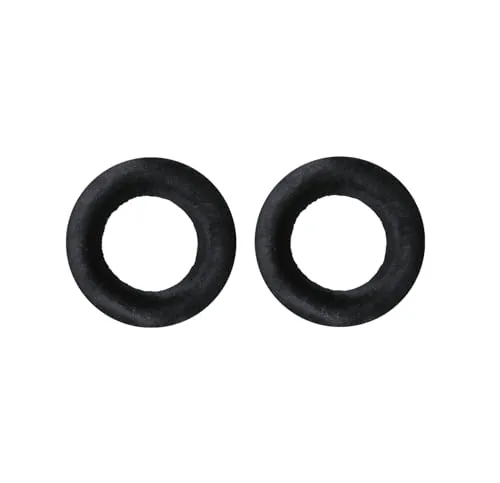
  • Long-session comfort: Soft, replaceable velour pads and many reports of comfort over hours (including with glasses for some users).
  • Studio-friendly cable setup: Practical single-sided, long 3.0 m cable for desk/studio use.
  • Solid overall construction: Strong build-quality scoring and “robust workmanship” positioning (Made in Germany).
  • Wide stated frequency range: 5 Hz–35,000 Hz listed in specs.

Cons

  • Mixed durability feedback: Some reviewers report plastic parts cracking within a year, reflected in lower durability/reliability scoring vs its other strengths.
  • May need more power on some sources: 80-ohm impedance can be harder to drive; at least one reviewer noted low volume from a computer without an amp/DAC.
  • Fixed, long cable: Attached 3 m cable is convenient in studio use but can be cumbersome at a desk or on the move.
  • Heat buildup for some users: Some reports of ears warming up/moisture during use.
  • No active noise cancelling: Isolation is passive only (closed-back).
beyerdynamic DT 770 PRO 80 Ohm Over-Ear Studio Headphones

beyerdynamic DT 990 PRO 80 Ohm Open Back Over-Ear Studio Headphones

Pros

  • Open-back soundstage and imaging: Positioned for “wide open sound,” and reviews highlight spatial presentation and pinpoint gaming positioning.
  • High audio-quality scoring: Strong audio score with frequent praise for clarity and detail in music, mixing, and gaming.
  • Comfort-focused design: Replaceable velour pads and many reports of comfort for extended sessions.
  • Strong use-case versatility: Product positioning and reviews frequently cite gaming, podcasting, and mixing/editing.
  • Serviceable parts: “Fully serviceable” parts claim supports longer-term ownership.
  • Good value sentiment (mixed overall): Value score is strong and some reviewers call it a “steal,” though value feedback is mixed.

Cons

  • Little to no isolation: Open-back design has “noise control: none,” and reviews note it is not suitable for noisy environments and leaks sound.
  • Bright treble can cause fatigue for some: Multiple reviews mention treble being “too much” and potential ear strain (often addressed via EQ).
  • Non-detachable cable: Repeatedly called out as a downside in reviews.
  • Fit/pressure can be mixed: Some users find it snug or too tight/squeezing.
  • Power needs can vary: Some users may want an amp even at 80 ohms to reach preferred volume on onboard audio.
beyerdynamic DT 990 PRO 80 Ohm Open Back Over-Ear Studio Headphones

Final verdict

If you want one safe, broadly practical recommendation based on the provided data, the beyerdynamic DT 770 PRO 80 Ohm is the better overall pick. It scores higher overall, maintains excellent audio quality, and its closed-back isolation makes it easier to use in more real-world scenarios—especially recording, monitoring, or shared rooms where sound leakage becomes a problem.

The beyerdynamic DT 990 PRO 80 Ohm is still a strong choice when your listening happens in a quiet environment and you specifically want the benefits of open-back design: a wider, more airy presentation and strong spatial imaging that many gamers and critical listeners prefer. Just go in knowing isolation is minimal and that some users find the treble too bright without EQ. For either model, plan your setup around 80-ohm power needs and the non-detachable long cable.

Overall winner

Depends on your needs

Frequently asked questions

Which is better overall: beyerdynamic DT 770 PRO 80 Ohm or DT 990 PRO 80 Ohm?

Based on the provided scores, the DT 770 PRO 80 Ohm rates higher overall (87 vs 84). The DT 770 PRO is the more practical pick if you need sound isolation and minimal leakage. The DT 990 PRO 80 Ohm is often chosen for an open-back soundstage and spatial imaging in a quiet environment, especially for critical listening and gaming.

Which one is better for recording and monitoring vocals?

The DT 770 PRO 80 Ohm is typically the better fit for recording/monitoring because it’s a closed design with passive sound isolation and reviews mention minimal leakage. That helps reduce bleed into microphones during recording. The DT 990 PRO is open-back with no noise control, which generally means more leakage and less isolation, making it harder to use around microphones.

Which has better sound quality for detail and clarity?

Both score very highly for audio quality (each has a strong audio score), and reviews for both emphasize clear, detailed sound. The decision is more about presentation: the DT 990 PRO is repeatedly described as having a wider, open sound with strong imaging, while the DT 770 PRO is praised for balanced clarity with tight bass plus isolation. If you’re sensitive to treble, note the DT 990 PRO gets more “bright” feedback.

Which is better for competitive gaming (footsteps and positioning)?

The DT 990 PRO 80 Ohm is frequently praised in reviews for pinpoint positional audio and spatial imaging, which can help with footsteps and directionality in a quiet room. The DT 770 PRO is also used by gamers and praised for detail, but its closed-back design focuses more on isolation than a wide open soundstage. If you game near others, the DT 770 PRO’s lower leakage can be a big practical advantage.

Do you need an amp/DAC for these 80-ohm headphones?

It depends on your source. Both are 80 ohm wired headphones, and reviews mention that some users run them from a motherboard, while others feel onboard audio can be too quiet and prefer an amp/DAC. One DT 770 PRO review specifically notes a computer struggling to drive them, while DT 990 PRO reviews also mention buying an amp for preferred volume. If your device has weak output, budgeting for an amp is sensible.

Which is more comfortable for long sessions?

Both models are designed around replaceable velour ear pads and are commonly described as comfortable for long listening sessions. The DT 770 PRO gets frequent comfort praise, though some users report warm ears over time. The DT 990 PRO also earns strong comfort feedback, but its fit is more mixed—some reviewers say it’s snug or can squeeze. Your head size, glasses, and hair can influence the outcome.

Which one isolates better and leaks less sound?

The DT 770 PRO is the clear choice for isolation: it’s a closed-back headphone and is explicitly associated with sound isolation, with reviews noting minimal leakage. The DT 990 PRO lists no noise control and, being open-back, is commonly described as unsuitable for noisy environments because isolation is minimal and sound can leak both ways.

Which is more durable and reliable based on the provided data?

Durability feedback is mixed for both, but the provided scoring trends favor the DT 990 PRO for durability (higher durability and reliability scores). The DT 770 PRO has notable mixed durability feedback, including reports of plastic cracking within a year. That said, both have strong build-quality perceptions in reviews, and both are positioned as serviceable/repairable designs—so how they’re treated day-to-day matters.

Which offers better value for money?

On the provided scores, the DT 990 PRO rates higher for value, while the DT 770 PRO is also strong. Value depends on your use case: if you need isolation for recording or shared rooms, the DT 770 PRO’s closed-back design can be the better “value” choice even if the two are similarly priced. If you mainly listen or game in a quiet space and want open staging, the DT 990 PRO can be the better fit.

Related comparisons

Still not sure which one to choose?

Check our rankings and expert guides to find the best electronics products for your goals.

View all rankings