#1 Overall Winner
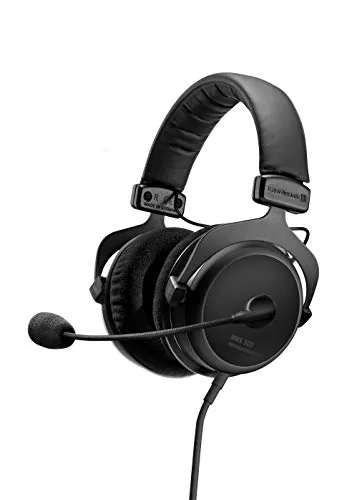
Beyerdynamic 718300 MMX 300 Second Generation Gaming and Multi-Media Headset
- Detailed, wide-range audio tuning with a listed 5 Hz–35 kHz frequency range and strong audio-quality scoring.
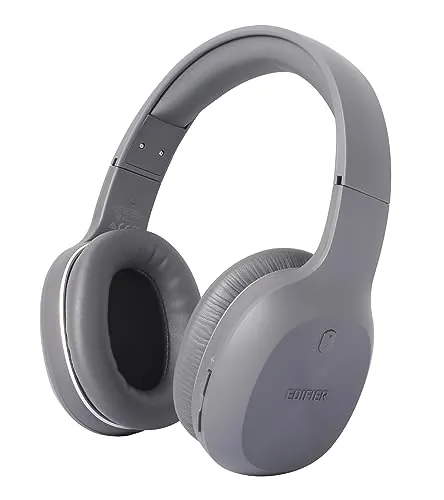
Comparison
The beyerdynamic MMX 300 (2nd Generation) is a wired gaming/multimedia headset that scores best for audio quality and performance , while the Edifier W600BT focuses on wireless convenience, battery life, and value . Overall scores are extremely close, but the W600BT narrowly leads thanks to usability, portability, and battery life—while the MMX 300 remains the better choice when your top priority is detailed wired sound and a dedicated headset mic.
#1 Overall Winner
Contender
Choose the beyerdynamic MMX 300 (2nd Gen) if you want a wired gaming headset with stronger audio performance and sound isolation, and you’re okay potentially tweaking settings or pairing with better audio hardware depending on your device.
Choose the Edifier W600BT if you want wireless over-ear headphones with long battery life, easier day-to-day use, and strong value—plus the flexibility of an included AUX cable when you need wired listening.
Overall winner
Depends on your needs
| Feature | Beyerdynamic 718300 MMX 300 Second Generation Gaming and Multi-Media Headset | Edifier W600BT Wireless Over-Ear Headphones | Winner |
|---|---|---|---|
| Overall score | 78 | 79 | Edifier W600BT Wireless Over-Ear Headphones |
| Category fit | Wired gaming/multimedia headset | Wireless over-ear headphones (with AUX option) | Depends |
| Audio quality score | 88 | 77 | Beyerdynamic 718300 MMX 300 Second Generation Gaming and Multi-Media Headset |
| Performance score | 84 | 77 | Beyerdynamic 718300 MMX 300 Second Generation Gaming and Multi-Media Headset |
| Feature score | 68 | 73 | Edifier W600BT Wireless Over-Ear Headphones |
| Usability score | 72 | 83 | Edifier W600BT Wireless Over-Ear Headphones |
| Connectivity type | Wired (3.5 mm) | Bluetooth 5.1 + 3.5 mm AUX | Edifier W600BT Wireless Over-Ear Headphones |
| Battery life | N/A (no battery) | Up to 30 hours (rated) | Edifier W600BT Wireless Over-Ear Headphones |
| Microphone approach | Dedicated headset mic capsule | Built-in mic (Bluetooth) | Depends |
| Reliability score | 58 | 66 | Edifier W600BT Wireless Over-Ear Headphones |
| Durability score | 57 | 70 | Edifier W600BT Wireless Over-Ear Headphones |
| Portability score | 64 | 88 | Edifier W600BT Wireless Over-Ear Headphones |
| Warranty (stated) | 2-year beyerdynamic warranty | 1-year warranty | Beyerdynamic 718300 MMX 300 Second Generation Gaming and Multi-Media Headset |
| Customer satisfaction score | 82 | 86 | Edifier W600BT Wireless Over-Ear Headphones |
For real-world performance, the two models lean in different directions. The MMX 300 scores higher for performance (84 vs 77) and is repeatedly praised for clear detail and strong in-game positioning, helped by passive isolation and a wired connection. It’s a better match when your priority is hearing fine cues in games and keeping audio consistent without relying on wireless stability.
The W600BT performs best as an all-purpose wireless headphone: good general sound quality for everyday use, a built-in mic for calls, and long battery life. However, user feedback shows more variance on output volume and sound signature, and Bluetooth reconnection is a recurring complaint for some owners.
In this category, “speed” mostly shows up as responsiveness and day-to-day friction. The W600BT scores higher (72 vs 61), aligning with its easy setup and wireless convenience.
The MMX 300 can still feel instant in use because it’s wired, but the lower score is consistent with review notes about needing configuration for mic levels/boost or extra equipment to reach preferred volume in some setups.
Reliability is mixed for both, but the W600BT scores higher (66 vs 58). Reviews for the W600BT include both long-running positive reports and complaints about units stopping after a few months, plus reconnection issues.
The MMX 300 has notable reliability concerns centered around microphone durability (reports of the mic failing after months) and some instances of early breakage or malfunction. If reliability is your top priority, neither is risk-free, but the scoring and review themes slightly favor the W600BT.
The W600BT is easier day to day for most users, reflected in its higher usability and setup scores. Many reviews describe quick pairing and comfortable, lightweight wear for work, gym, and TV.
The MMX 300 is simple in the sense that it’s wired—plug in and go—but usability can depend on your source. Reviews include examples of needing to adjust Windows microphone levels/boost and discussions around mic monitoring/sidetone workarounds. If you want a headset that behaves like a typical “plug-and-play” wireless model across devices, the W600BT is usually the lower-friction option.
Design scoring favors the W600BT, largely due to its lightweight build and everyday ergonomics. It’s positioned for travel/home/office use, with touch controls and a comfortable over-ear fit.
The MMX 300 design is more gaming-centric, including a higher-clamping fit intended to keep the headset stable during long sessions. That stability can be a positive for gaming, but clamp pressure and warmth can be a drawback for some users based on reviews.
Both score well for build quality, but their construction goals differ. The MMX 300 is often described as premium and solid, with metal/high-grade plastics and “made in Germany” manufacturing. At the same time, durability feedback is mixed, with some reports of early failure and mechanical creaking in certain units.
The W600BT earns a slightly higher build-quality score and has user feedback ranging from “well made” to some reports of failure after months. If you prioritize premium materials and a more “audiophile headset” feel, MMX 300 stands out; if you prioritize lighter everyday build with strong value, W600BT fits.
Durability scoring favors the W600BT (70 vs 57). Some reviews describe it as resistant over years of use, while others still report failures after a few months—so experiences vary.
The MMX 300 is often described as solid and premium, but durability feedback is more polarized, including reports of early breakage and microphone issues over time. The included two-year warranty may matter if you’re concerned about long-term ownership.
The Edifier W600BT is far more portable: it’s wireless, rated for long battery life, and very light (168 g), reflected in its much higher portability score (88 vs 64).
The MMX 300 is better described as a stay-at-desk or stay-at-console headset. It can work with mobile devices via 3.5 mm, but the cable and heavier build make it less convenient for commuting and travel.
The Edifier W600BT has the more modern feature set for daily life: Bluetooth 5.1, dual-device connection, touch media controls, and rated 30-hour battery life, plus an included AUX cable for wired listening.
The beyerdynamic MMX 300 is more specialized: it’s a wired headset with a dedicated microphone capsule and detachable cabling intended for typical PC/console 3.5 mm setups (including a split-cable option referenced in reviews). If your “features” priority is a traditional gaming headset setup with a boom mic, MMX 300 fits; if you mean wireless convenience and device switching, W600BT leads.
Setup favors the W600BT (86 vs 68). Many owners report straightforward pairing and quick charging, and it supports dual-device switching once connected.
The MMX 300 is physically simple to connect, but real setup success can depend on your PC/console audio chain. Reviews include guidance on adjusting Windows mic levels/boost and discuss workarounds for sidetone/mic monitoring, which can add complexity compared to a typical wireless headset experience.
The W600BT is listed as compatible with a wide range of devices (phones, tablets, TVs, computers, smart speakers) and can connect via Bluetooth or AUX, which contributes to its higher compatibility score (82 vs 72).
The MMX 300 is explicitly listed for PC, Xbox One, PS4, and mobile via 3.5 mm. It can be an excellent match for traditional controller/PC audio ports, but it lacks Bluetooth, and some user setups may require extra configuration for microphone levels depending on hardware and drivers.
The beyerdynamic MMX 300 is the stronger audio-focused choice. It has a higher audio-quality score (88 vs 77) and a wider listed frequency range (5 Hz–35 kHz), with many reviews describing excellent detail and strong directional cues for gaming.
The Edifier W600BT is generally well-liked for sound at its price, and its 40 mm drivers are marketed for clear, detailed playback. Still, user feedback is less consistent: some want more bass or more overall volume, while others find the balance enjoyable for casual listening and media.
Connectivity is a clear split. The MMX 300 is wired via 3.5 mm, which can be beneficial for consistent audio and avoiding wireless dropouts, and it’s listed as compatible with PC, Xbox One, PS4, and mobile.
The W600BT adds Bluetooth 5.1 (10 m range listed) and dual-device connection, while still offering wired playback through the included 3.5 mm AUX cable. The trade-off is that reviews mention mixed reconnection reliability for Bluetooth, even though initial pairing is often described as easy.
The Edifier W600BT is the only battery-powered option here, rated up to 30 hours and supported by strong battery-life scoring. Multiple reviews mention quick charging and multi-session use without needing to recharge.
The beyerdynamic MMX 300 is wired and does not use a battery, which can be a positive for desk/console use (no charging to manage) but doesn’t help if you need untethered listening for travel or work.
Power efficiency is effectively a W600BT-only category in this matchup because it’s battery powered. It scores well for power efficiency (74) and is rated for up to 30 hours with a 3-hour charge time listed.
Value depends on what you’re paying for. The W600BT leads on value scoring (88 vs 69) because it combines wireless features, battery life, comfort, and a generally well-liked sound signature at a lower-cost positioning in reviews.
The MMX 300 can still be “worth it” for buyers who specifically want its higher-scoring audio performance and a dedicated headset mic, but customer opinions vary on whether the experience justifies the cost—especially given mixed durability/mic reliability reports and the potential need for better source hardware to reach preferred volume.
Brand trust is effectively a tie in the provided scores (both at 78). beyerdynamic’s listing emphasizes German manufacturing and a two-year warranty, which can increase confidence for some buyers. Edifier also appears to have strong buyer sentiment overall for this model, supported by higher star rating and customer satisfaction scoring, though long-term reliability feedback is still mixed.
Both products have high review volume and generally positive sentiment, but Edifier W600BT leads on customer satisfaction scoring (86 vs 82) and has a higher Amazon star rating (4.4 vs 4.1) in the provided data.
MMX 300 reviews frequently praise sound, comfort, and premium feel, while common negatives include microphone failures and durability issues. W600BT reviews frequently praise comfort, battery life, and value, while common negatives include reconnect friction and some reports of early failure.
Warranty support favors the beyerdynamic MMX 300 on stated coverage length: the listing specifies a two-year beyerdynamic warranty. The Edifier W600BT listing specifies a one-year warranty. Beyond duration, no additional support details (process, regional exclusions, turnaround) are provided for either product.
If you need one over-ear headset/headphone to cover daily listening, work calls, and travel, the Edifier W600BT is the most practical overall pick on the provided data: it narrowly wins overall scoring and clearly leads in usability, portability, battery life, and value. It’s an easy recommendation for buyers who want wireless freedom and long runtime, with the option to go wired via AUX.
However, if your top priority is sound performance for gaming and detailed listening, the beyerdynamic MMX 300 (2nd Gen) remains compelling. It scores much higher for audio quality and is often described as premium and comfortable. The trade-offs are wired-only use and more mixed long-term microphone/durability feedback, so it’s best for buyers who can tolerate some setup tuning and want a more performance-leaning headset.
Overall winner
Depends on your needs
On the provided scoring, the Edifier W600BT edges the overall score (79 vs 78). That advantage is driven by comfort/usability, portability, battery life, and value. The beyerdynamic MMX 300 scores higher for audio quality and performance-oriented listening, and it’s purpose-built as a wired gaming/multimedia headset. If you need wireless and long runtime, Edifier fits better; if you prioritize detailed wired audio, MMX 300 is the pick.
The beyerdynamic MMX 300 rates higher for audio quality (88 vs 77) and performance (84 vs 77). It also lists a wider frequency range (5 Hz–35 kHz) and is frequently praised in reviews for detailed, “audiophile-grade” sound and strong positional cues in gaming. The Edifier W600BT is often described as good for the price with clear sound, but feedback varies on bass/treble balance and maximum volume.
The MMX 300 uses a dedicated microphone capsule designed for speech intelligibility, and several reviewers describe the mic as clear for PC gaming/Discord. However, mic feedback is mixed, including reports of failure over time. The W600BT relies on a built-in Bluetooth microphone and is marketed for “crystal clear” calls; reviews generally say it works fine as a headset, though microphone quality isn’t described as studio-like in the provided data.
Yes, both can be used with a 3.5 mm connection, but in different ways. The beyerdynamic MMX 300 is a wired headset using a 3.5 mm jack and includes cables/adapters for common PC setups (as described in reviews). The Edifier W600BT is primarily wireless but includes a 3.5–3.5 mm AUX cable for wired listening when you don’t want to use Bluetooth.
Both are positioned as comfortable, but they achieve it differently. The W600BT is very light (168 g) and frequently praised for all-day comfort, reflected in higher usability/design/portability scores. The MMX 300 also gets strong comfort feedback thanks to plush pads, but it has high clamping pressure by design, and at least one reviewer found the clamp and warmth too much for their preference.
The Edifier W600BT is the more travel-friendly choice because it’s wireless (Bluetooth 5.1), supports dual-device connection, and is very lightweight with a rated battery life up to 30 hours. The MMX 300 is wired-only and geared toward gaming/media setups, which can be less convenient on the go. Neither product is listed as water resistant, so both should be treated as indoor/travel gear rather than workout-in-the-rain headphones.
Neither is perfect on reliability, but the Edifier W600BT scores higher for reliability (66 vs 58) and durability (70 vs 57). MMX 300 customer feedback includes reports of microphone failure after months and some early breakage, alongside many very positive experiences. W600BT reviews are also mixed, with some reports of units stopping after a few months and others using them for extended periods without issues.
The Edifier W600BT is typically simpler for everyday use thanks to wireless pairing, touch controls, and strong setup/usability scores (setup 86; usability 83). The MMX 300 is straightforward as a wired headset, but some users report needing Windows microphone level/boost adjustments or additional audio hardware to get preferred volume and monitoring behavior, which can add setup friction depending on your device and expectations.
Check our rankings and expert guides to find the best electronics products for your goals.