#1 Overall Winner
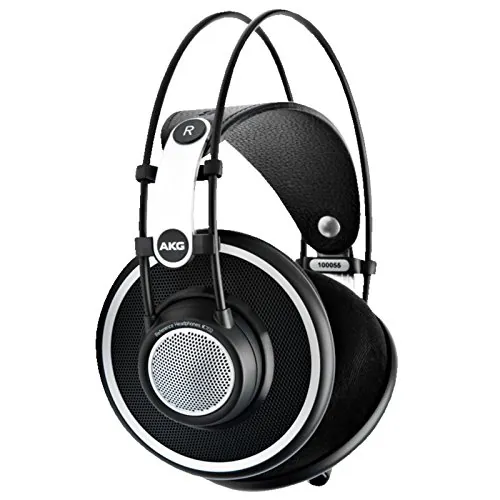
AKG Pro Audio K702
- Excellent audio scoring and detail focus (strong audio-quality score; positioned for precision listening, mixing, and mastering).
Comparison
The AKG K702 and AKG K72 are both wired, over-ear studio-oriented headphones, but they target different workflows: the K702 is open-back for spacious critical listening, while the K72 is closed-back for more isolated monitoring. Scores show an overall tie, but the K702 leads on audio quality, whereas the K72 tends to win on portability, value, and customer satisfaction—making the “winner” mainly dependent on whether you prioritize soundstage/detail or practical closed-back use.
#1 Overall Winner
Contender
Choose AKG K702 if you want open-back spaciousness for critical listening/mixing and you’re okay with sound leakage and mixed durability feedback.
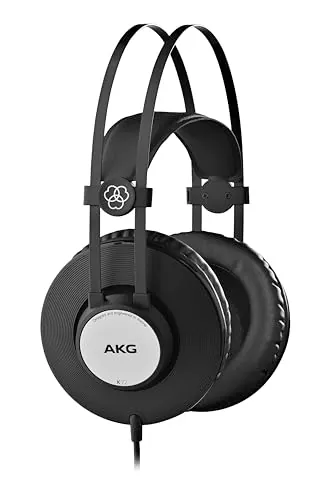
Choose AKG K72 if you want a closed-back monitoring headphone that’s lightweight, easier to use in shared spaces, and typically seen as the better value.
Overall winner
Depends on your needs
| Feature | AKG Pro Audio K702 | AKG Pro Audio K72 | Winner |
|---|---|---|---|
| Overall score | 79 | 79 | Tie |
| Audio quality score | 91 | 81 | AKG Pro Audio K702 |
| Performance score | 83 | 78 | AKG Pro Audio K702 |
| Feature score | 67 | 68 | AKG Pro Audio K72 |
| Usability score | 78 | 84 | AKG Pro Audio K72 |
| Build quality score | 60 | 62 | AKG Pro Audio K72 |
| Reliability score | 56 | 66 | AKG Pro Audio K72 |
| Durability score | 50 | 60 | AKG Pro Audio K72 |
| Design score | 79 | 82 | AKG Pro Audio K72 |
| Portability score | 38 | 76 | AKG Pro Audio K72 |
| Connectivity score | 62 | 67 | AKG Pro Audio K72 |
| Compatibility score | 72 | 78 | AKG Pro Audio K72 |
| Value score | 81 | 85 | AKG Pro Audio K72 |
| Customer satisfaction (rating context) | 4.2/5 (4,440 reviews) | 4.4/5 (4,512 reviews) | AKG Pro Audio K72 |
| Cable design | Detachable mini-XLR cable (3 m) | Wired; includes screw-on 3.5 mm to 6.3 mm adapter | Depends |
For real-world listening and monitoring performance, the key difference is presentation. The AKG K702 scores higher for performance and much higher for audio quality, and it’s repeatedly praised for an expansive soundstage and clear detail that can help with critical listening tasks. The AKG K72 is often described as clear and capable for basic monitoring and practice, but reviewers more often frame it as “good for the price” rather than a reference-style open-back performer.
If your work depends on hearing space, placement, and fine mix details in a quiet room, the K702’s open-back approach is the more performance-oriented option. If you need a closed-back headphone for tracking and general monitoring, the K72’s performance is typically described as solid and practical.
Reliability is a concern area for both, but the K72 scores higher for reliability. The K702 has recurring mentions in aggregated feedback of channel/earpiece failures after limited use, plus concerns about internal fragility from some long-term AKG users. The K72 also has durability complaints (notably wires/cable vulnerability), but its review base more often frames it as reliable “for the price,” and it scores better in reliability and customer satisfaction.
The AKG K72 scores higher for usability and is frequently described as very lightweight and comfortable for long wear, which can make it easier to grab for practice, tracking, or everyday listening. The AKG K702 is also widely praised for comfort, but its open-back nature makes it less convenient in noisy rooms or around other people, and multiple reviewers mention it can require more volume/power from weaker sources.
If your “usability” definition includes being able to listen privately or work around others, the K72’s closed-back approach is typically the easier fit.
Both headphones are over-ear and built for longer sessions, but their design goals differ. The K702 focuses on open-back reference listening and includes comfort-centric elements like 3D-foam pads and a padded leather headband, plus a mini-XLR detachable cable. The K72 leans into a lightweight, closed-back form intended for isolation and portable friendliness.
Scoring slightly favors the K72 for design, while K702 tends to win among buyers who specifically want an open-back layout for spaciousness and critical listening.
Build quality is mixed for both. The K702 has some users who find it well constructed, but aggregated feedback includes reports of right-channel failure and plastic breaking, which aligns with its lower durability and reliability scores. The K72 is often described as plastic yet “sturdy for the price,” but it also has mixed reports about wires breaking and long-term robustness.
On the provided scoring, the K72 has a small edge in build, reliability, and durability, but neither is a “buy it and forget it” option based on review patterns.
On scoring, the K72 leads on durability. Customer feedback still shows mixed outcomes for both models: the K702 has reports of plastic breaking and early failures, while the K72 has reports of wires breaking and concerns about long-term robustness. If durability is a top priority, the K72 is the safer pick in this head-to-head, but careful handling is advisable either way.
The AKG K72 is the clear winner for portability in the provided scoring and positioning. It’s described as lightweight and “great for portable devices,” and its closed-back design can be more practical on the go or around other people. The AKG K702 scores very low for portability, largely because it’s open-back (leaks sound), intended for quiet-room reference use, and less suited to travel or shared environments.
Neither model is presented as feature-heavy in the modern sense (no app platform or smart features). The practical feature split is mostly about studio convenience: the K702 includes a detachable mini-XLR cable designed for quick replacement, while the K72 emphasizes closed-back isolation and includes a screw-on 3.5 mm to 6.3 mm adapter for studio gear.
In day-to-day use, K702’s detachable cable can be a meaningful advantage for maintenance, while K72’s closed-back design is a functional “feature” for recording environments and shared spaces.
Setup is straightforward for both since they’re wired headphones with no app steps. The K72 scores higher for setup and includes a screw-on adapter for quick connection to 1/4-inch studio jacks. The K702 is also easy to start using and adds a practical studio touch with its mini-XLR detachable cable, which can simplify cable replacement if something goes wrong.
Both models are compatible with common 3.5 mm headphone outputs (and studio gear via adapters). The K72 is explicitly positioned as “great for portable devices,” and it scores higher for compatibility. The K702 lists compatibility across laptops, desktops, gaming consoles, tablets, and cellphones, but user comments suggest it may need more output power/volume from some devices to sound its best.
If you plan to use weaker sources frequently, K72’s lower impedance and portable positioning may be the more convenient match.
The AKG K702 is the clear leader for audio quality based on its higher audio score and consistent review themes: wide soundstage, crystal-clear detail, and a presentation that many users find well suited to critical listening and studio work. Several reviews also note that bass is present but not emphasized, and some listeners consider it light without EQ.
The AKG K72 is frequently described as clear and balanced enough for monitoring, with some reviewers noting a more “punchy” character and that it responds well to EQ. However, multiple users also say it can sound underwhelming from weaker outputs and improves with an amp/DAC, which can affect perceived clarity and dynamics.
Both the K702 and K72 are primarily wired headphones using a 3.5 mm jack connection. The K72 explicitly includes a screw-on 3.5 mm to 6.3 mm adapter for studio equipment. The K702 features a detachable cable via a mini-XLR connector on the headphone side, which can be helpful for maintenance or replacement.
Neither product is positioned around wireless connectivity for everyday use in the provided data; the practical decision is cable convenience (K702) versus included adapter and closed-back monitoring use (K72).
With no batteries involved, “power efficiency” here mainly reflects how practical each headphone is to run from typical sources. The K72 scores higher and has lower impedance (32 ohms) plus high listed sensitivity, which generally supports easier driving. The K702 (62 ohms) is still usable from many devices, but multiple reviewers mention needing higher volume/power than some other headphones to reach the same loudness.
Both headphones are often described as good value, but the AKG K72 has the edge based on its higher value score, higher star rating, and large volume of reviews emphasizing performance for tracking/practice at the price. The AKG K702 can still be excellent value if you specifically want an open-back reference style and prioritize soundstage and detail, but its mixed durability/reliability feedback can reduce value for buyers who want worry-free long-term ownership.
Both products come from AKG and include the same important caveat: the manufacturer’s limited product warranty applies only when purchased from AKG Authorized North American Dealers. On the provided scoring, K72 is rated higher for brand trust, but in practice your experience will likely hinge on buying from an authorized seller and how quickly you can get support if an issue occurs.
Customer satisfaction slightly favors the AKG K72. It has a higher Amazon star rating (4.4 vs 4.2) with a similar review count, and its customer satisfaction score is higher. Reviews commonly praise its lightweight comfort and solid sound for monitoring and practice, while noting mixed durability and isolation results.
The K702 is strongly praised for soundstage and clarity, but the overall satisfaction is pulled down by more frequent concerns about reliability and durability in aggregated feedback.
Warranty/support information is limited in the provided data, but both listings specify that the manufacturer’s limited product warranty applies only when purchased from AKG Authorized North American Dealers. On scoring, the K72 rates higher for warranty/support. For either model, it’s worth double-checking the seller’s authorization status and return window before purchasing.
With both headphones tied on overall score, the best choice is primarily about open-back reference listening vs closed-back practicality. The AKG K702 is the stronger option if your priority is audio performance: it rates much higher for audio quality and is widely praised for a wide soundstage and clear detail that suits critical listening, mixing, and long sessions. However, it leaks sound and has more prominent durability/reliability concerns in aggregated feedback.
The AKG K72 is the more practical all-rounder for many buyers: it’s closed-back, lightweight, scores higher for usability, portability, value, and customer satisfaction, and it fits tracking/practice workflows well. If you need privacy and flexibility, the K72 is the safer pick; if you want maximum spaciousness and detail in a quiet room, the K702 is the better match.

Overall winner
Depends on your needs
Based on the provided scoring, it’s effectively a tie on overall score (both are rated 79). The better choice depends on how you’ll use them: the K702 scores notably higher for audio quality and is positioned for precision listening with an open-back soundstage, while the K72 scores higher for value, portability, and customer satisfaction, and is designed as a closed-back monitoring headphone.
The AKG K702 is the stronger pick for critical listening based on its higher audio-quality score and its product positioning for mixing and mastering. Reviews repeatedly highlight its wide soundstage and clear detail. The K72 is still widely praised as clear and balanced for monitoring, but it’s more often discussed as a practical, affordable studio option rather than a reference-focused open-back model.
If you’re doing tracking near microphones or want to reduce leakage into a mic, the AKG K72 has an advantage because it’s closed-back and designed for isolation. The AKG K702 is open-back and leaks sound, so it’s better suited to mixing/critical listening in a quiet room where leakage won’t be an issue.
Both models get strong comfort feedback, but they excel in slightly different ways. The K702 is repeatedly praised for long-session comfort with its 3D-foam ear pads and padded leather headband. The K72 is often described as very lightweight and comfortable for multi-hour wear. Fit is personal: K72 reviews include some fit complaints, while K702 reviews include mixed notes overall due to durability and preferences.
It can depend on your source. Reviewers note the K72 can sound noticeably better when used with a headphone amp/DAC versus weaker phone or basic PC outputs. For the K702, users also mention needing higher volume/power compared with easier-to-drive headphones. If you’re plugging into a low-power device, it’s worth checking your output strength before buying either model.
The AKG K702 is commonly favored for positional audio in reviews because its open-back design and wide soundstage can make directional cues feel more spacious and easier to place. The K72 can still work for gaming, but its typical advantage is being closed-back for a more isolated experience, and reviews focus more on monitoring/value than on soundstage-driven positioning.
The AKG K72 is generally the better fit for shared spaces because it’s a closed-back design intended to reduce sound leakage. The K702 is explicitly open-back and reviewers note it can leak “like a speaker,” making it a poor choice if you need privacy or don’t want others to hear your audio.
Neither model is universally praised for durability, but the K72 scores higher for reliability and durability in the provided scoring. The K702 has more prominent review callouts about channel failures and plastic breaking. The K72 also has mixed feedback (including wire-break reports), so careful handling and buying from an authorized dealer (per the warranty note) are sensible either way.
The AKG K72 comes out ahead on value in the provided scoring and in overall buyer sentiment, with many reviews emphasizing what you get for the money for monitoring and practice. The K702 is still often described as good value for its reference-style presentation and soundstage, but it’s a more specialized open-back pick and has more notable durability/reliability concerns in aggregated feedback.
Check our rankings and expert guides to find the best electronics products for your goals.