#1 Overall Winner
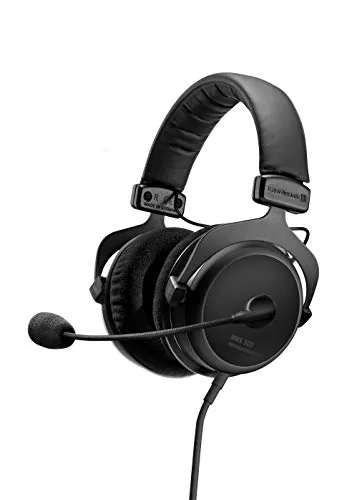
Beyerdynamic 718300 MMX 300 Second Generation Gaming and Multi-Media Headset
- Strong audio tuning for gaming and media with a wide stated frequency range (5 Hz–35 kHz) and high audio score.
Comparison
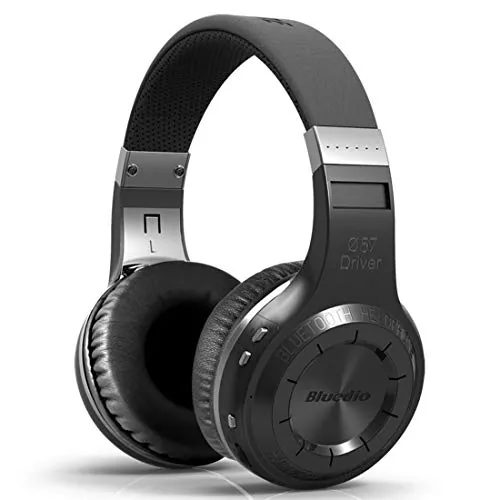
The beyerdynamic MMX 300 (2nd Gen) and Bluedio HT Turbine target very different buyers: one is a wired gaming headset focused on audio and voice, while the other is a budget-friendly Bluetooth over-ear built around battery life and convenience. If you prioritize audio quality and a dedicated gaming mic , the MMX 300 is the stronger overall pick by score. If you want wireless listening and long runtime , the HT Turbine is often the more practical choice.
#1 Overall Winner
Contender
Choose the MMX 300 if you want higher-scoring audio quality, a dedicated boom mic for gaming/Discord-style chat, and a wired 3.5 mm headset that works across PC/console/mobile.
Choose the HT Turbine if you want Bluetooth convenience, very long battery life, and strong features-per-dollar for everyday music listening (with a wired backup option).
Overall winner
Depends on your needs
| Feature | Beyerdynamic 718300 MMX 300 Second Generation Gaming and Multi-Media Headset | Bluedio HT Turbine Wireless Bluetooth 4.1 Stereo Headphones, Black | Winner |
|---|---|---|---|
| Overall score | 78 | 74 | Beyerdynamic 718300 MMX 300 Second Generation Gaming and Multi-Media Headset |
| Audio quality score | 88 | 76 | Beyerdynamic 718300 MMX 300 Second Generation Gaming and Multi-Media Headset |
| Battery life score | N/A (wired) | 93 | Bluedio HT Turbine Wireless Bluetooth 4.1 Stereo Headphones, Black |
| Connectivity type | Wired (3.5 mm jack) | Bluetooth 4.1 (wireless) + wired option | Depends |
| Microphone approach | Dedicated headset microphone capsule | Built-in mic (for calls) | Beyerdynamic 718300 MMX 300 Second Generation Gaming and Multi-Media Headset |
| Feature score | 68 | 73 | Bluedio HT Turbine Wireless Bluetooth 4.1 Stereo Headphones, Black |
| Usability score | 72 | 74 | Bluedio HT Turbine Wireless Bluetooth 4.1 Stereo Headphones, Black |
| Setup score | 68 | 82 | Bluedio HT Turbine Wireless Bluetooth 4.1 Stereo Headphones, Black |
| Build quality score | 74 | 54 | Beyerdynamic 718300 MMX 300 Second Generation Gaming and Multi-Media Headset |
| Reliability score | 58 | 56 | Tie |
| Durability score | 57 | 48 | Beyerdynamic 718300 MMX 300 Second Generation Gaming and Multi-Media Headset |
| Comfort feedback (reviews) | Often praised; clamping can be strong | Mixed; some ear pain reported | Depends |
| Portability score | 64 | 70 | Bluedio HT Turbine Wireless Bluetooth 4.1 Stereo Headphones, Black |
| Customer satisfaction score | 82 | 83 | Tie |
| Warranty/support score | 66 | 45 | Beyerdynamic 718300 MMX 300 Second Generation Gaming and Multi-Media Headset |
For real-world headphone performance, the MMX 300 leads on the provided performance and audio-quality scoring, and reviews commonly emphasize clarity, separation, and positional cues for gaming. Its isolation-focused design also supports more consistent listening in noisy environments.
The HT Turbine performs well for its category as a budget Bluetooth headphone, with users often describing it as loud and bass-forward. However, wireless playback can introduce some latency, and some users mention a brief delay when audio resumes due to a power-saving feature.
For “speed” in this category, the most practical difference is response behavior. The MMX 300 avoids Bluetooth latency entirely because it is wired. The HT Turbine may introduce some wireless lag in video/gaming and some users report a brief audio delay after pausing due to a power-saving feature.
Neither model is free of reliability concerns in the provided data. The MMX 300 has mixed feedback around microphone longevity and occasional early failures, reflected in a modest reliability score. The HT Turbine also has mixed reliability, with some reports of units stopping working and long-term issues tied to the headband mechanism. If reliability is your top priority, it’s worth paying close attention to return windows and handling practices for either option.
In everyday usability, the HT Turbine scores slightly higher, largely because wireless pairing and on-headset controls reduce friction for casual listening across phones and laptops. Reviews also mention straightforward connection behavior.
The MMX 300 is simple in the sense that it’s wired—plug in and go—but some users report needing to adjust microphone levels in Windows or consider additional audio hardware depending on their source device. If you want a headset that “just works” without any Bluetooth steps, the MMX 300 can still be the easier daily option.
The MMX 300 is a gaming-headset design with over-ear isolation and a dedicated microphone boom, plus volume control via a remote. It also notes higher clamping pressure to keep the headset stable during long sessions—useful for some, too tight for others.
The HT Turbine is styled as a modern over-ear Bluetooth headphone with touch/media controls and “turbine style housing” described. Comfort feedback is more mixed, with some users reporting clamp pressure and ear discomfort during longer sessions.
The MMX 300 scores higher for build quality and is described by multiple reviewers as premium-feeling, with metal and high-grade plastics listed in the materials. It also includes a stated 2-year warranty, which can add buyer confidence.
The HT Turbine has a notably lower build quality score and mixed durability feedback, including repeated mention of the telescoping headband mechanism breaking. Some reviewers still find it solid for the price, but long-term robustness appears less consistent.
The MMX 300 rates higher for durability, but reviews still include cases of early breakage or developing faults over time, so it’s not a guaranteed “buy once” headset for everyone.
The HT Turbine rates lower for durability and has recurring headband break reports. It may hold up well for many buyers, but the consistency appears less predictable.
The HT Turbine is generally more portable thanks to Bluetooth operation and long runtime, supported by its higher portability score. It’s easier to use around the house or away from a desk without managing a cable.
The MMX 300 can travel, but it’s fundamentally a wired headset and is typically more at home in a stationary PC/console setup.
The HT Turbine offers a broader convenience feature set for daily use: Bluetooth connectivity, on-headset media controls, voice prompts (listed), an audio sharing function (described), and a wired listening mode when you want to save battery. These advantages align with its higher feature score.
The MMX 300 is more purpose-driven: a wired headset with a dedicated microphone, sound isolation, and detachable cabling for PC/console-style setups. It’s less about “smart” features and more about consistent audio + voice for gaming and media.
The HT Turbine has the smoother typical setup experience: pair over Bluetooth and you’re ready, and reviews call out easy connectivity. Charging is also straightforward with a short stated charge time.
The MMX 300 is simple to connect physically (plug into 3.5 mm), but users may need to configure microphone levels in their OS, and some setups may benefit from stronger audio output hardware depending on preference and source.
The MMX 300 lists compatibility with PC, Xbox One, PS4, and mobile via 3.5 mm, which is a flexible option if you switch platforms often.
The HT Turbine lists compatibility with smartphones, laptops, tablets, and smart speakers over Bluetooth and can also be used wired with an audio cable (described). If you mainly live in the Bluetooth ecosystem, it’s the more natural fit.
The MMX 300 is the stronger audio-focused option in the data: it leads significantly in audio-quality scoring and is repeatedly praised for detailed sound, separation, and overall “audiophile-grade” presentation. Its stated frequency range is also wider than the Bluedio’s listed range.
The HT Turbine is often described as loud with impactful bass for the money, supported by its large stated 57 mm dynamic driver size. If you prefer a bass-heavy, high-volume presentation and don’t need the last word in detail, it can still satisfy—especially for casual music listening.
Connectivity is the core split. The MMX 300 is wired via 3.5 mm, which can be ideal for low-latency gaming and broad compatibility across PC, consoles, and mobile devices. Its trade-off is being tethered by a cable.
The HT Turbine uses Bluetooth 4.1 with an up-to-10 m stated range and is aimed at pairing with smartphones, laptops, and tablets. It also supports a wired listening mode with a 3.5 mm cable (described), which is useful if you want to avoid wireless latency or keep listening with no battery use.
The HT Turbine is the clear battery-life winner with very long stated runtimes (up to 40 hours music, up to 45 hours talk) and a top-tier battery score. Reviews frequently mention going long periods between charges.
The MMX 300 has no battery since it is wired. That means no charging at all, but it also means you don’t get cordless listening or the ability to roam away from your device.
Power efficiency primarily applies to the HT Turbine, which scores strongly here and is designed to run for long sessions between charges. The MMX 300 is wired and does not have battery efficiency as a meaningful comparison point.
On the value scoring, the HT Turbine is the better value-oriented pick because it combines Bluetooth convenience, very long battery life, and strong user-perceived sound output at a low-cost positioning. That’s reflected in its high value score and many reviews praising what you get for the money.
The MMX 300 is a better “value” if you specifically want higher-scoring audio quality and a dedicated gaming headset design with a stated 2-year warranty. However, reviews show disagreement on whether it’s worth it, and durability/mic reliability concerns can affect long-term value.
On the provided brand-trust scoring, beyerdynamic rates higher. The product listing also explicitly states it is manufactured in Germany and includes a 2-year warranty, which may increase buyer confidence.
Bluedio scores lower on brand trust and warranty/support in the data, and reviews focus more on value and features than on long-term support expectations.
Customer satisfaction scores are very close, and both products have large review counts and broadly positive experiences mixed with recurring complaints. The MMX 300 is often praised for sound and comfort, but some owners report microphone failures and durability issues. The HT Turbine is often praised for battery life, loudness, and value, but has recurring comfort and headband durability concerns.
The MMX 300 has the stronger warranty/support picture in the provided data, including an explicitly stated two-year beyerdynamic warranty and a higher warranty/support score.
The HT Turbine scores notably lower on warranty/support and does not provide comparable warranty detail in the supplied product information.
If you want the better all-around audio-focused headset and you’re mainly gaming or using voice chat at a desk, the beyerdynamic MMX 300 (2nd Gen) is the stronger overall choice by score, with higher audio quality and better build/support ratings. It’s best suited to buyers who are comfortable with a wired setup and who value isolation, comfort, and a dedicated mic.
The Bluedio HT Turbine remains a smart alternative when your priorities shift to wireless freedom, long battery life, and budget-friendly value. Just go in knowing comfort and durability are more variable based on reviews. In short: MMX 300 for higher-end wired gaming audio; HT Turbine for affordable Bluetooth convenience.
Overall winner
Depends on your needs
Based on the provided overall scores, the beyerdynamic MMX 300 (2nd Gen) rates higher overall (78 vs 74), driven by stronger audio quality and a gaming-headset focus. The Bluedio HT Turbine can still be the better choice if you want wireless convenience and long battery life, since it scores extremely well for battery life and value.
The MMX 300 is purpose-built for gaming and multimedia and includes a dedicated microphone designed for speech intelligibility, plus sound isolation and strong audio scoring. The HT Turbine is positioned more for music and wireless listening; some reviews note the mic is not great in loud areas and that Bluetooth can introduce latency, which can matter in games and chat timing.
From the score data, the MMX 300 leads on audio quality (88 vs 76) and is frequently described in reviews as detailed with “audiophile-grade” sound. The HT Turbine is commonly praised for being loud with strong bass for its price, but it is not framed as a studio-leaning or audiophile headset in the provided information.
If wireless is a must, the Bluedio HT Turbine is the clear fit: it uses Bluetooth 4.1, supports easy pairing in reviews, and has very strong battery life. The MMX 300 is a wired 3.5 mm headset, which can be great for stability and compatibility, but it won’t replace a Bluetooth headset for cable-free use.
The Bluedio HT Turbine wins easily for battery life because it is a battery-powered Bluetooth model with long stated runtimes (up to 40 hours music and up to 45 hours talk) and a very high battery-life score. The MMX 300 is wired and does not use a battery at all, so there’s nothing to charge, but you also don’t get cordless portability.
Both have mixed long-term feedback. For the MMX 300, reviews include complaints about microphone failures after months and some early breakage, which aligns with its lower reliability/durability scores. For the HT Turbine, multiple reviews mention the telescoping headband breaking and occasional units stopping working, matching its lower build quality and durability scores.
The HT Turbine tends to be simpler for casual daily use thanks to Bluetooth pairing and on-headset controls, reflected in its strong setup score. The MMX 300 is straightforward as a wired headset, but reviews suggest some users may need to adjust PC microphone settings for comfortable levels, and some buyers may prefer additional audio hardware depending on their source.
The MMX 300 lists compatibility with PC, Xbox One, PS4, and mobile via 3.5 mm wired connection. The HT Turbine lists compatibility with smartphones, laptops, tablets, and smart speakers over Bluetooth, and it can also be used with a 3.5 mm audio cable for wired listening (as described), which helps with non-Bluetooth use cases.
By the provided scoring, the Bluedio HT Turbine rates higher for value, helped by strong battery life, wireless features, and many reviews calling it good for the money. The MMX 300 can still be a sensible value for buyers who specifically want its higher-scoring audio performance and a gaming-focused wired headset, but some buyers disagree on its value in reviews.
Check our rankings and expert guides to find the best electronics products for your goals.