#1 Overall Winner
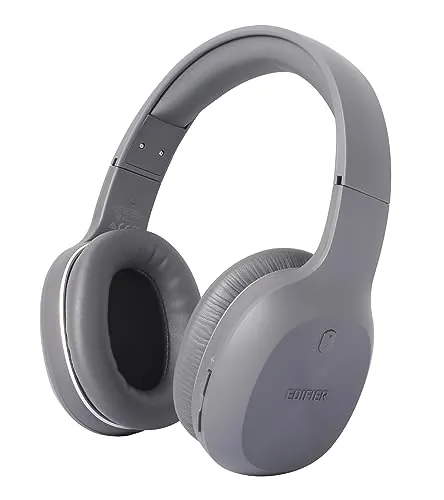
Edifier W600BT Wireless Over-Ear Headphones
- Strong overall scoring with high marks for value, portability, and ease of setup.
Comparison
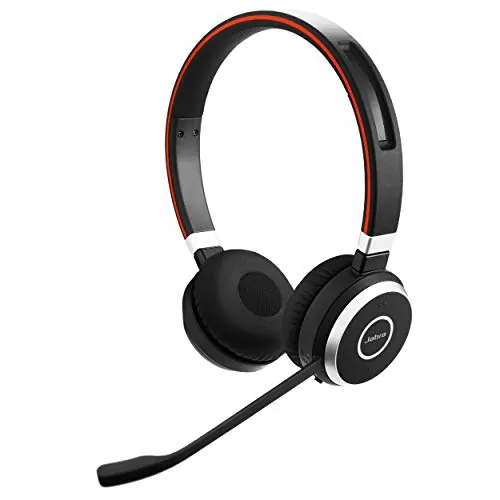
The Edifier W600BT and Jabra Evolve 65 MS target different buyers: Edifier is a general-purpose over-ear Bluetooth headphone focused on comfort, long battery life, and value, while Jabra is a work-first wireless headset built around calls, UC integration, and PC connectivity via the included USB adapter. Based on the provided scoring, Edifier is the stronger overall pick , but Jabra can be the better choice if your day is dominated by meetings and phone calls.
#1 Overall Winner
Contender
Choose the Edifier W600BT if you want an over-ear headphone for everyday listening with strong comfort, long rated battery life, a wired AUX fallback, and better overall value scoring.
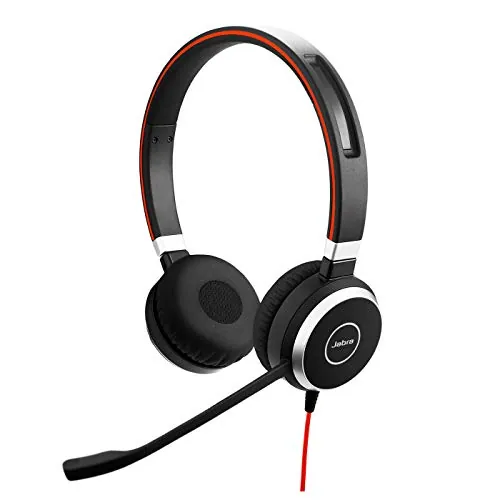
Choose the Jabra Evolve 65 MS if your priority is a work headset for frequent calls, with plug-and-play PC support via the Link 370 USB adapter, UC integration, and office-focused features like a busy light.
Overall winner
Depends on your needs
| Feature | Edifier W600BT Wireless Over-Ear Headphones | Jabra Evolve 65 MS Wireless Headset (Stereo) | Winner |
|---|---|---|---|
| Overall score | 79 (higher overall scoring) | 68 (lower overall scoring) | Edifier W600BT Wireless Over-Ear Headphones |
| Category focus | General wireless over-ear headphones | Professional wireless headset (UC/calls) | Depends |
| Form factor | Over-ear | On-ear | Depends |
| Battery life claim | Up to 30H playtime | Up to 14H talk time | Edifier W600BT Wireless Over-Ear Headphones |
| Charging time | 3 hours | 3 hours | Tie |
| Bluetooth version | Bluetooth 5.1 | Bluetooth 4.2 | Edifier W600BT Wireless Over-Ear Headphones |
| Wireless range (spec) | 10 meters | 30 meters / 100 feet (as stated) | Jabra Evolve 65 MS Wireless Headset (Stereo) |
| Wired/PC connection options | 3.5 mm AUX cable included | Link 370 USB adapter + USB cable use | Depends |
| Dual connectivity | Yes (two Bluetooth devices) | Yes (PC + one other Bluetooth device) | Tie |
| Microphone/call emphasis | Built-in microphone (Bluetooth calls) | Noise-cancelling microphone focus + UC positioning | Jabra Evolve 65 MS Wireless Headset (Stereo) |
| Weight | 168 g | 110 g | Jabra Evolve 65 MS Wireless Headset (Stereo) |
| Noise control (as listed) | Sound isolation | Active Noise Cancellation (listed) | Jabra Evolve 65 MS Wireless Headset (Stereo) |
| Customer rating (Amazon) | 4.4/5 (4,069 reviews) | 4.1/5 (5,935 reviews) | Edifier W600BT Wireless Over-Ear Headphones |
| Value sentiment (reviews + score) | Often described as good value | Mixed value feedback | Edifier W600BT Wireless Over-Ear Headphones |
| Durability sentiment | Mixed; some report early failure, others report long use | More frequent breakage concerns (headband/earpieces) | Edifier W600BT Wireless Over-Ear Headphones |
For real-world performance, these two models split by intent. The Edifier W600BT is built as a general listening headphone with 40 mm drivers and review feedback that often praises music/video enjoyment and comfort. Its scoring leans toward an all-around experience, especially when you include battery life and portability.
The Jabra Evolve 65 MS is tuned more toward voice performance in meetings and calls. Reviews commonly describe it as clear for VoIP/Teams-style use, though some note that media listening quality is merely “fine” or better for background audio. If “performance” means meeting clarity and desk-away range, Jabra is compelling; if it means everyday listening + long runtime, Edifier is stronger overall.
Reliability is mixed on both products, but the provided scoring favors the Edifier W600BT (higher reliability score). Edifier’s aggregated feedback includes reports of units failing after a few months, balanced by many positive experiences.
The Jabra Evolve 65 MS has broader mixed feedback across sound, connectivity, and functionality, and its reliability score is lower. If you’re prioritizing a safer all-around bet based on the provided data, Edifier trends more favorable, while Jabra’s risk is more often tied to durability and inconsistent experiences across units.
On usability, both products score well for setup, but their day-to-day convenience differs. The Edifier W600BT is repeatedly described as easy to pair and comfortable, and it scores strongly for usability and portability. The key usability drawback is that reconnection can be inconsistent for some users.
The Jabra Evolve 65 MS is built around call controls and UC workflows, and reviewers often mention straightforward pairing and effective day-to-day use for meetings. Comfort feedback is more mixed for long sessions, with some reporting discomfort after extended wear. If you want minimal friction on a PC, the included USB adapter can simplify the experience.
Edifier W600BT uses an over-ear design with soft ear cups and a lightweight 168 g build, targeting comfort and a more “headphone-like” feel for music and long listening. It’s positioned as sleek and not bulky in customer feedback.
Jabra Evolve 65 MS is a lighter 110 g on-ear headset with a professional look and controls aimed at calling. On-ear designs can feel less isolating and may require fit adjustments for some users, but can be easier to wear on/off quickly in work scenarios.
Build quality is one of the clearer separators. The Edifier W600BT has mixed reliability feedback, but its scoring is notably higher than the Jabra for build/durability-related categories, and some customers describe it as resistant over time.
The Jabra Evolve 65 MS has more prominent durability concerns in the aggregated review summary (earpieces breaking, headbands cracking). While some long-term users report multiple years of daily use, the overall pattern is more mixed, and its build quality and durability scores are lower in the provided scoring data.
Durability is another area where the provided data leans toward the Edifier W600BT. While it isn’t free from long-term complaints, its durability scoring is higher and some reviews describe it as resistant over extended use.
The Jabra Evolve 65 MS shows more frequent durability concerns in the aggregated review summary (cracking/breakage). Some users report multi-year service life, but overall durability feedback is more polarized, and its durability score is low relative to Edifier in this comparison.
Both are portable, but they emphasize different types of portability. The Edifier W600BT scores extremely well for portability and is lightweight for an over-ear design at 168 g, making it a practical travel headphone with long battery life.
The Jabra Evolve 65 MS is even lighter at 110 g and includes a USB adapter that’s easy to carry for laptop work. However, its on-ear + boom-mic style is more visibly “work headset” than “travel headphone,” so portability depends on whether you want an office look on the go.
Edifier W600BT focuses on practical consumer features: dual Bluetooth connection, a 30-hour rated battery, and a 3.5 mm AUX cable included for wired playback. It’s also positioned as lightweight with breathable ear cups for longer wear.
Jabra Evolve 65 MS is richer in work-specific features: an integrated busy light, Skype for Business certification, and multiple connection methods (Bluetooth plus Link 370 USB adapter, plus USB cable use). For buyers who want a headset that behaves like a dedicated office tool, Jabra’s feature set is more specialized.
Setup is a strength for both. The Edifier W600BT is often described as simple to pair with phones, reflected in its strong setup score, though reconnecting can be inconsistent for some.
The Jabra Evolve 65 MS is also designed for quick onboarding, with the included Link 370 USB adapter enabling a plug-and-play style setup for many PCs and UC environments. If you want the simplest “plug it in and select it” path on a computer, Jabra’s bundle can reduce friction.
Both products support common devices, but they approach compatibility differently. The Edifier W600BT lists broad compatibility (including phones, tablets, PCs, TVs, consoles) and also supports 3.5 mm wired use, which can help with devices that don’t play nicely with Bluetooth.
The Jabra Evolve 65 MS is more narrowly positioned around cellphones and laptops, and is optimized for UC platforms with Skype for Business certification and broad “online voice call services” support. If your main compatibility need is PC meetings with a USB dongle, Jabra has the edge; if you want widest device flexibility including analog audio, Edifier is stronger.
Edifier W600BT is generally reviewed positively for sound quality at its price, with multiple users highlighting enjoyable playback for music and videos. However, sound preferences vary: some users want more bass or volume, while at least one review reports discomfort with elevated treble.
Jabra Evolve 65 MS is consistently described as voice-first. Reviews often say it’s clear for calls/meetings, while media playback is characterized as acceptable but not a standout. If audio quality means music enjoyment, Edifier tends to align better with buyer expectations; if it means call clarity, Jabra’s headset design and mic emphasis are the point.
Connectivity is a split decision. The Edifier W600BT offers Bluetooth 5.1, dual-device connection, and a 3.5 mm wired fallback, but aggregated reviews mention mixed reconnection experiences even if initial pairing is often easy.
The Jabra Evolve 65 MS is more connectivity-focused for office use: it includes the Link 370 USB adapter for PCs and highlights a longer wireless working range in its description. Still, customer feedback on connectivity is mixed, so the strongest differentiator is the availability of the USB dongle and the work-oriented connection model rather than universally flawless wireless behavior.
The Edifier W600BT has a clear spec advantage with up to 30 hours of playtime and review comments that often praise battery and quick charging. The Jabra Evolve 65 MS lists up to 14 hours of talk time, and reviews are mixed—some find it lasts a workday, others expected more.
If you frequently forget to charge or want multi-day use, Edifier’s battery spec is better suited. If you mostly need a headset to last a workday and can top up over USB, Jabra can still fit the workflow.
Based on the provided scoring and review themes, the Edifier W600BT is the stronger value choice. Its value score is much higher, and customers frequently describe it as good value while also praising comfort, battery life, and sound quality at its price point.
The Jabra Evolve 65 MS can still deliver value for a specific buyer: someone who benefits from the included USB adapter, UC certification, and call-centric feature set. But overall sentiment is more mixed, with some reviewers stating it isn’t worth the cost—often tied to durability or comfort expectations.
Brand trust scoring is similar in this dataset, with both products receiving the same brand trust score. In practical terms, the trust decision here is less about brand reputation and more about product category fit: Edifier is a consumer audio headphone, while Jabra is a well-known office headset style product.
Where differences show up is in buyer confidence around longevity and support experiences described in reviews—particularly for Jabra, where some support outcomes may depend on seller authorization and documentation.
Customer satisfaction is stronger for the Edifier W600BT in both star rating and the provided satisfaction scoring. The aggregated overview highlights consistent praise for comfort, sound quality, light weight, and value, with the biggest negative themes being reconnection issues and some early failures.
The Jabra Evolve 65 MS has a larger review count but a lower star rating and more mixed sentiment across sound, connectivity, battery, and durability. It still earns strong praise from many work-from-home and call-heavy users, especially for microphone clarity.
The Edifier W600BT explicitly lists a one-year warranty in the provided product details, which improves clarity for buyers.
For the Jabra Evolve 65 MS, the provided data does not state a specific warranty term, and reviews include at least one account of warranty friction tied to seller documentation/authorization. Given the available information, Edifier offers clearer warranty expectations, while Jabra support experiences may vary depending on where and how it’s purchased.
If you want one wireless headset that’s easiest to recommend for most people, the Edifier W600BT is the better overall choice in the provided data. It scores higher overall and stands out for comfort, long rated battery life, portability, and value, with customer feedback that frequently reinforces those strengths.
The Jabra Evolve 65 MS is still the better pick for a specific profile: heavy meeting and call users who want a UC-oriented headset with an included USB adapter and work-focused features (like the busy light). The trade-off is more mixed long-term durability and value sentiment. If your day is dominated by calls, Jabra’s specialization can outweigh its downsides; otherwise, Edifier is the safer all-around buy.
Overall winner
Depends on your needs
Based on the provided scoring, the Edifier W600BT is the stronger overall pick (overall score 79 vs 68 for the Jabra). It scores especially well for value, portability, comfort-focused design, setup, and battery life. The Jabra Evolve 65 MS can still be the better choice if your priority is a work-first headset with a USB adapter and UC-focused features.
The Jabra Evolve 65 MS is the more work-centric headset: it includes the Link 370 USB adapter, highlights an advanced noise-cancelling microphone, and is certified for Skype for Business. Reviews also frequently describe it as optimized for voice clarity. The Edifier W600BT can handle calls via its built-in mic, but it is positioned more as a general wireless headphone.
On the provided specs, the Edifier W600BT has the longer rated runtime with up to 30 hours of playtime. The Jabra Evolve 65 MS lists up to 14 hours of talk time and can also be used while charging via USB. Real-world battery impressions are mixed for both, but the headline battery claim clearly favors the Edifier.
Comfort will depend on your preference for over-ear versus on-ear. The Edifier W600BT is over-ear with breathable leatherette ear cups and many customers specifically praise its comfort and lightweight feel. The Jabra Evolve 65 is on-ear and some reviews mention comfort dropping after longer sessions, though others find it comfortable for all-day work.
The Jabra Evolve 65 MS has an advantage for many PC users because it includes the Link 370 USB dongle and is described as plug-and-play for UC setups, with strong setup scoring. The Edifier W600BT is also easy to pair over Bluetooth and includes a 3.5 mm AUX cable, but it does not include a dedicated USB wireless adapter.
The Jabra Evolve 65 MS is designed around “work away from the desk” use, and its product description highlights a long wireless range (up to 30 meters / 100 feet) plus a USB adapter option. The Edifier W600BT lists Bluetooth 5.1 with a 10-meter range. Note that customer feedback on connectivity is mixed for both, especially around reconnection behavior.
The Edifier W600BT is more directly positioned for general listening, with 40 mm drivers and many customer comments praising sound quality for music and videos (though a few mention bass/treble preferences). The Jabra Evolve 65 is widely described in reviews as optimized for voice; some users find it fine for background music and podcasts, but less ideal for focused music listening.
Based on the scores and review summary, the Edifier W600BT rates better for value (value score 88 vs 60 for Jabra) and has stronger customer satisfaction scoring. The Jabra Evolve 65 may still be “worth it” if you specifically need its professional extras (USB dongle, busy light, UC certification), but it receives more mixed value feedback.
Neither product is universally described as perfect long term, but the provided scoring and review themes differ. The Edifier W600BT has mixed reliability feedback (some reports of stopping after months), yet it scores higher for reliability/durability than the Jabra. The Jabra Evolve 65 has multiple durability complaints in the aggregated overview (e.g., headband/earpiece breakage), which aligns with its lower durability score.
Check our rankings and expert guides to find the best electronics products for your goals.