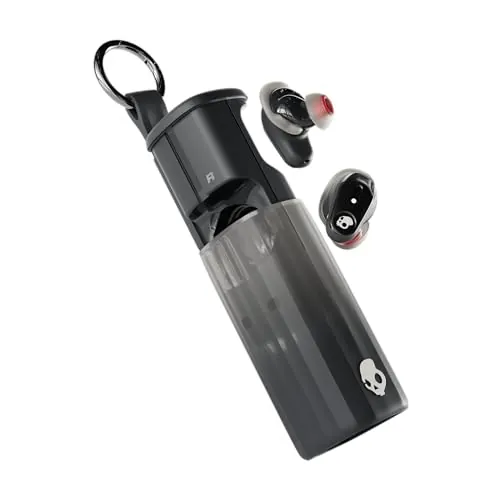
#1 Overall Winner
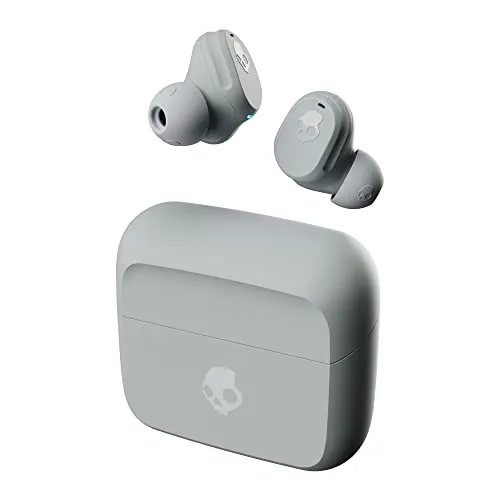
Skullcandy Method 360 ANC Wireless Earbuds (Sound by Bose)
- Strong audio tuning focus: “Sound by Bose” positioning plus a high audio score supports a clarity/bass-forward sound profile.
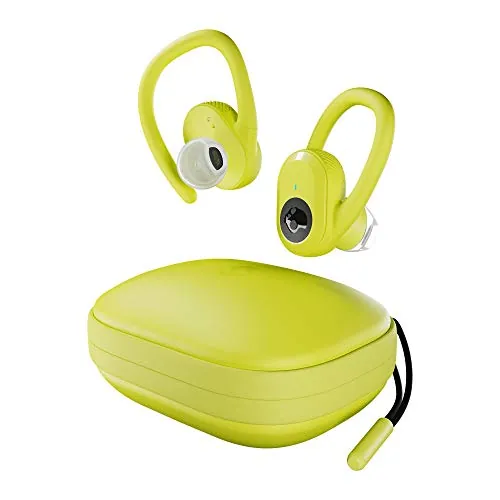
Comparison
Skullcandy Method 360 ANC and Skullcandy Push Ultra target different priorities: Method 360 leans into ANC, app customization, and “Sound by Bose” tuning, while Push Ultra focuses on sport stability, Tile tracking, and rugged IP67 protection. Using the provided scores, Method 360 ANC is the stronger overall pick, but Push Ultra can make more sense for safety-focused outdoor workouts where hearing your surroundings matters.
#1 Overall Winner
Contender
Choose Skullcandy Method 360 ANC if you want active noise cancelling, stronger sound/feature scores, and app-based EQ and control customization.
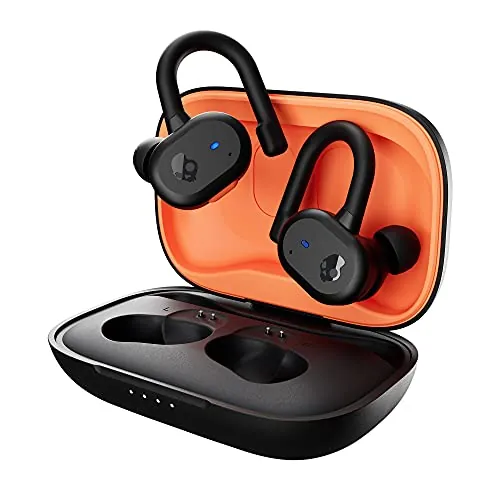
Choose Skullcandy Push Ultra if you want a hook-style sport fit, IP67 waterproof/dustproof protection, and Tile tracking—and you don’t need ANC.
Both have mixed reviews for charging/reliability, so prioritize a return-friendly seller and test fit/charging early.
Overall winner
Depends on your needs
| Metric | Skullcandy Method 360 ANC (Sound by Bose) | Skullcandy Push Ultra | Winner | Explanation |
|---|---|---|---|---|
| Overall score (dataset) | 67 | 51 | Method 360 ANC | Higher overall score indicates a stronger all-around package in this comparison dataset. |
| Noise control | Active Noise Cancellation + Stay-Aware | Sound isolation / Stay-Aware (no ANC) | Method 360 ANC | ANC is a key advantage for commuting and focus listening. |
| Audio focus | “Sound by Bose”; high audio score | Mixed sound feedback; Stay-Aware design | Method 360 ANC | Scores and reviews emphasize stronger clarity/bass and tuning on Method 360 ANC. |
| Water/dust protection | IPX4 | IP67 | Push Ultra | IP67 is better suited for heavy sweat, rain, and dusty environments. |
| Bluetooth spec | Bluetooth 5.3 | Bluetooth 2.0 (listed) + 10 m range | Method 360 ANC | Newer Bluetooth version plus higher connectivity score suggests an edge on paper. |
| Battery (stated total) | Up to 40 hours (11 + 29) | Up to 42 hours (Rapid Charge) | Push Ultra | Push Ultra claims a slightly higher total runtime; real-world reports are mixed for both. |
| Companion app & EQ | Skullcandy app (EQ, controls, ANC/Stay-Aware) | Not specified in product data | Method 360 ANC | Clear advantage for users who want tuning and control customization. |
| Workout fit approach | Ear gels + fit fins (sizes S/M/L) | Moldable ear hooks | Depends | Hooks can feel more secure for some athletes, while gels/fins may be simpler for others. |
| Reliability & durability sentiment | Durability concerns (reports of breaking; charging issues) | Durability concerns (hook failures; charging contact issues) | Method 360 ANC | Both are mixed, but Method 360 ANC scores higher for reliability/durability in this dataset. |
| Tracking / find-my feature | Not listed | Built-in Tile technology | Push Ultra | Tile is useful if you frequently misplace a bud. |
For real-world earbud performance, Method 360 ANC generally comes out ahead in this dataset because it pairs higher audio scoring with active noise cancellation, which can make music and podcasts easier to hear in noisy environments. Reviews frequently praise its sound, while also noting that ANC effectiveness can vary by expectation and fit.
Push Ultra’s performance is more purpose-specific: it’s designed to not fully block outside sound, which reviewers describe as beneficial for running/walking near traffic or for work situations where you need awareness. If your “performance” goal is isolation and focus, Method 360 ANC fits better; if your goal is awareness with stable sport wear, Push Ultra is the more aligned design.
Reliability is a key concern for both products based on the provided scoring and review summaries. Method 360 ANC has frequent mentions of Bluetooth dropouts and right-earbud charging problems, and some users report early failure.
Push Ultra also has reliability flags: users report buds not charging unless seated perfectly, occasional connection problems, and in some cases sound failure in one ear. In the provided scores, Method 360 ANC rates higher for reliability than Push Ultra, but neither appears consistently trouble-free from the available feedback.
Method 360 ANC benefits from modern pairing conveniences (including Google Fast Pair) and app control, which can make day-to-day use more flexible once set up. However, usability is affected by mixed reports of connection dropouts and inconsistent charging behavior, particularly involving the right earbud.
Push Ultra’s usability is strongly tied to its physical design: the ear hooks can help keep the buds in place during exercise, and controls are available on both earbuds. At the same time, multiple reviews mention that the earbuds must sit precisely in the case to charge, and that the large case and hook-to-case fit can add friction compared with simpler in-ear designs.
Method 360 ANC uses a more conventional in-ear approach with ear gels and fit fins in multiple sizes, plus a clip-anywhere carry design. This can be appealing for users who dislike over-ear hooks and want a cleaner earbud silhouette, though fit opinions are mixed.
Push Ultra’s design is unapologetically sport-centric: large earbuds with moldable hooks, intended to stay put and keep you aware of your environment. That design can be ideal for running and work use, but it is also more noticeable and, for some users, less comfortable for extended wear. Case bulk is also a recurring theme in reviews.
Both products show below-average build quality and durability signals in the provided scoring and review summaries. Method 360 ANC has specific customer complaints about parts failing after a few months of use. Push Ultra has repeated reports of the moldable hook becoming a weak point, including breakage after repeated re-shaping to fit the case.
If you prioritize ruggedness for harsh conditions, Push Ultra’s IP67 rating is a meaningful advantage, but it doesn’t fully offset the durability complaints around the hooks. Method 360 ANC may feel less mechanically complex (no hooks), yet it has its own durability concerns in reviews.
Durability is a weak area for both models in this dataset. Method 360 ANC’s review summary includes reports of earbuds breaking or falling apart after a few months. Push Ultra’s durability concerns often center on the moldable ear hooks, with multiple reviewers describing breakage after repeated bending to fit the charging case.
If your top priority is long-term toughness, treat both as potentially higher-risk and consider testing them early within the return window.
Method 360 ANC scores higher for portability in this dataset and uses a clip-anywhere carry concept intended to make transport easier. Some reviewers mention case size, but others disagree and prefer the secure locking feel.
Push Ultra is less pocket-friendly for many people: reviews repeatedly describe a very large case, and the hook design adds bulk. For travel and day-to-day carry in a pocket, Method 360 ANC is typically the more convenient style.
Method 360 ANC has the deeper feature set for everyday tech convenience: multipoint pairing, Google Fast Pair, Auto On/Connect, Voice Sidetone, and a Skullcandy app for EQ and control remapping. It also offers adjustable ANC and Stay-Aware modes.
Push Ultra’s standout features are more sport and utility focused: moldable ear hooks, IP67 protection, Tile tracking, and a wireless charging case. It also emphasizes full controls on both earbuds and a Stay-Aware listening style rather than ANC.
Method 360 ANC clearly supports the Skullcandy app, enabling EQ presets/custom EQ and control remapping, plus adjustments for ANC and Stay-Aware behavior. That gives it a meaningful edge for users who like tuning and personalization.
For Push Ultra, no companion app experience is provided in the dataset (and its app score is not populated), so it’s best treated as primarily hardware/control driven rather than app driven.
Neither earbud is positioned as a “smart” powerhouse, but Method 360 ANC includes more smart-like conveniences (multipoint, Google Fast Pair, auto connect, app control) and scores higher for smart features. Push Ultra’s standout “smart” feature is practical: Tile tracking to help find lost earbuds.
Method 360 ANC should be the smoother setup choice for many Android users due to Google Fast Pair and Auto On/Connect, and it also supports multipoint pairing. That said, any earbud with reported charging/contact issues can feel harder to “get going” consistently.
Push Ultra setup is straightforward for basic Bluetooth pairing, but user reports suggest the charging case fit can create early frustration (one bud not charging if it isn’t seated perfectly). If you choose Push Ultra, it’s worth double-checking charge indicators after the first few cycles.
Method 360 ANC lists broad compatibility (cellphones, desktops, laptops, and smart watches) and includes modern features like Google Fast Pair and multipoint pairing, which can help across devices. Its compatibility score is higher in the dataset.
Push Ultra is listed as compatible with Bluetooth-enabled devices, which is broadly applicable, but it does not list the same cross-device convenience features. If you frequently move between phone and computer, Method 360 ANC is the more compatibility-friendly option from the provided info.
Method 360 ANC is the stronger audio pick in the provided data. It’s marketed as “Sound by Bose,” carries a higher audio score, and many reviews explicitly praise sound quality, clarity, and bass (including references to a bass-boost style). It’s also supported by EQ customization in the app.
Push Ultra’s audio feedback is mixed: some users find the sound good for the use case, while others report issues like sound from only one ear. Because it’s a Stay-Aware style that may not seal as tightly for some users, perceived bass and isolation can be more dependent on fit and expectations.
Method 360 ANC has a connectivity advantage on paper: it lists Bluetooth 5.3 plus multipoint pairing and Google Fast Pair, and it scores higher for connectivity. However, its reviews include repeated complaints about Bluetooth disconnections and brief audio cutouts.
Push Ultra lists Bluetooth 2.0 with a 10-meter range and has mixed connectivity feedback as well, including intermittent connection issues. If you frequently switch devices or want modern pairing features, Method 360 ANC is the more feature-complete option—just be aware of the mixed real-world reports for both.
Both earbuds advertise long total battery life with their cases. Method 360 ANC claims up to 40 hours total (11 hours in the earbuds, 29 in the case). Push Ultra claims up to 42 hours total and includes Rapid Charge, and its battery score is higher in the dataset.
Real-world battery experience is mixed for both models. Method 360 ANC has reviews mentioning unexpectedly fast drain and confusing charge reporting (including possible charging/contact issues). Push Ultra reviews also mention unreliable charging if the earbuds aren’t seated correctly in the case.
Method 360 ANC scores higher for value in this dataset, driven by its combination of ANC, app customization, and stronger audio/feature scoring. Reviews also include “amazing value” sentiment, though tempered by reliability and durability complaints.
Push Ultra can still be good value for a specific buyer who wants IP67 protection, ear hooks, and Tile—features that aren’t always common at lower prices. However, mixed durability and charging-fit feedback can reduce perceived value if you end up troubleshooting or replacing them early.
Both products come from Skullcandy, so baseline brand familiarity is similar. In the provided data, Method 360 ANC scores slightly higher for brand trust and warranty support, and it explicitly lists a 1-year USA limited warranty. Push Ultra’s listing mentions the “Fearless Use Promise,” but no specific warranty terms are provided in the supplied details.
Customer ratings are mixed for both products. Method 360 ANC has a slightly higher Amazon rating (3.9/5 from 3,255 reviews) compared with Push Ultra (3.7/5 from 5,399 reviews). Review summaries for both highlight similar recurring issues: inconsistent fit/comfort for different ears, charging problems, connection instability, and durability complaints.
Method 360 ANC gets more consistent praise for sound quality and feature set, while Push Ultra is often chosen for workout stability and awareness.
Method 360 ANC explicitly includes a Skullcandy 1-year USA limited warranty in the provided product details, and it scores higher for warranty/support in this dataset. For Push Ultra, the supplied data references a “Fearless Use Promise,” but does not provide clear warranty duration or coverage terms here, so a direct warranty comparison beyond the score is limited.
Skullcandy Method 360 ANC (Sound by Bose) is the better overall option in this comparison based on the provided scoring, especially if you want active noise cancelling, stronger sound-focused performance, and an app that lets you adjust EQ and controls. It’s the more modern “daily driver” choice on paper, helped by Bluetooth 5.3 and multipoint support.
Skullcandy Push Ultra remains a compelling alternative for sport and outdoor use where stability and rugged protection matter more than isolation. Its IP67 rating, ear-hook design, and Tile tracking align well with running and gym use—particularly for buyers who want situational awareness.
Both models show mixed reliability and durability feedback in reviews, so whichever you pick, prioritize fit and charging checks during the first week of use.
Overall winner
Depends on your needs
Based on the provided scoring, Skullcandy Method 360 ANC ranks higher overall (67 vs 51). It leads particularly in audio, features, and app-based customization, and it includes active noise cancelling. Push Ultra can still be the better pick for sport users who want an ear-hook design and higher water/dust protection (IP67).
No. Method 360 ANC includes active noise cancellation and configurable ANC/Stay-Aware settings in the Skullcandy app. Push Ultra is described as a Stay-Aware design with sound isolation rather than ANC, and reviews also emphasize that it is not intended for heavy noise cancellation.
Both are marketed for active use, but Push Ultra has the stronger protection rating with IP67 (waterproof/sweatproof/dustproof) and a sport hook fit. Method 360 ANC is rated IPX4 (sweat and water resistant) and uses ear gels/fit fins instead of hooks.
On stated totals, both are long-lasting: Method 360 ANC lists up to 40 hours total (11 hours buds + 29 hours case), while Push Ultra lists up to 42 hours total and mentions Rapid Charge. Real-world feedback is mixed for both, with multiple charging/battery complaints appearing in the review summaries.
Neither model is consistently praised for reliability in the provided reviews. Method 360 ANC has repeated reports of right-earbud charging issues and Bluetooth dropouts. Push Ultra also has reports of connection problems and finicky charging-case contact. In the scores, Method 360 ANC rates higher for connectivity and reliability than Push Ultra, but both are described as mixed.
Method 360 ANC is the stronger choice for sound in this dataset. It’s positioned as “Sound by Bose,” has a higher audio score, and reviews frequently praise clarity and bass. Push Ultra receives mixed sound feedback, and because it’s a Stay-Aware/non-sealing style for some users, perceived sound quality can depend more heavily on fit and personal preference.
Method 360 ANC is easier to customize because it explicitly supports the Skullcandy app with EQ presets/custom EQ, button remapping, and ANC/Stay-Aware adjustments. Push Ultra lists built-in equalizer profiles in a review and offers on-ear controls, but no companion app customization is provided in the product data.
Push Ultra is the more purpose-built choice for situational awareness. It’s described as a Stay-Aware design and multiple reviews highlight that you can hear traffic/people while still listening. Method 360 ANC can also run in Stay-Aware mode, but its headline feature is ANC and isolation rather than always-on awareness.
Both support calls, but feedback is mixed. Method 360 ANC includes call-oriented features like Voice Sidetone, yet some reviewers warn that connection issues can affect conversations. Push Ultra offers call controls on both earbuds, but its review summary also includes reliability and connection complaints that can impact call consistency.
Check our rankings and expert guides to find the best electronics products for your goals.