#1 Overall Winner
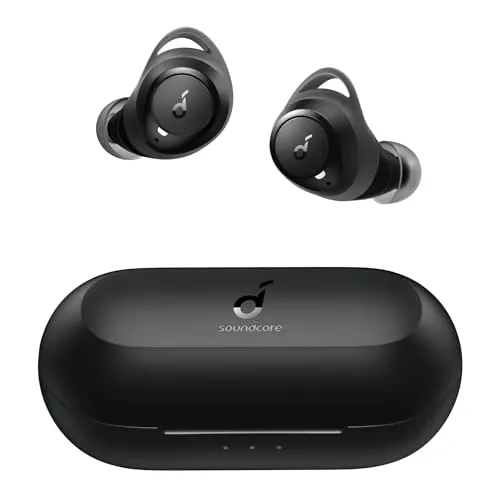
Soundcore by Anker Life A1 True Wireless Earbuds
- Strong battery scoring with long total playtime claims (40 hours) and a high battery life score.
Comparison
The Soundcore Life A1 and Soundcore Life P2 Mini are budget true wireless earbuds that compete on battery life, portability, and everyday usability. In the provided scores, Life P2 Mini wins overall thanks to stronger usability/setup and customer satisfaction, while Life A1 stands out for wireless charging, a higher battery-life score, and a higher audio-quality score. Your best pick mostly comes down to whether you prioritize charging and workout specs (A1) or tiny size and simpler daily use (P2 Mini).
#1 Overall Winner
Contender
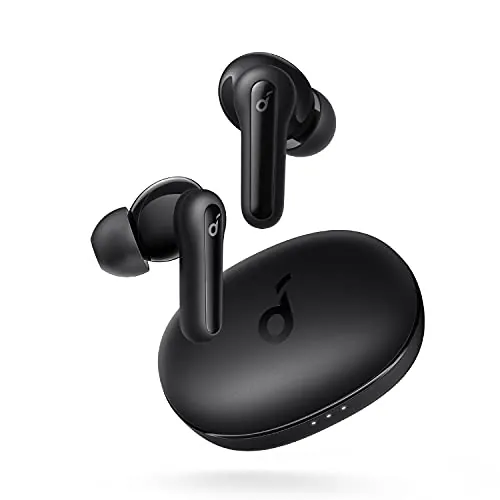
Choose Soundcore Life P2 Mini if you want tiny, lightweight earbuds that score better for day-to-day ease (setup/usability/portability) and have very strong value and satisfaction signals.
Choose Soundcore Life A1 if wireless charging and an explicit IPX7 waterproof rating matter, or if you want the higher battery-life and audio scoring in this comparison.
Overall winner
Depends on your needs
| Metric | Soundcore Life A1 | Soundcore Life P2 Mini | Winner | Explanation |
|---|---|---|---|---|
| Overall score | 79 | 83 | Life P2 Mini | Higher overall scoring in the provided dataset, driven by usability/setup/portability/value. |
| Battery life | Higher battery score; claims 40H total playtime | Strong battery score; claims 32H total playtime | Life A1 | Life A1 leads on battery score and lists higher total playtime. |
| Charging options | USB-C + wireless charging case | Charging case (wireless charging not stated) | Life A1 | Wireless charging is explicitly listed for Life A1. |
| Bluetooth version listed | Bluetooth 5.0 | Bluetooth 5.3 | Life P2 Mini | P2 Mini lists a newer Bluetooth version in the specs provided. |
| Driver size | 8mm dynamic drivers | 10mm dynamic drivers | Life P2 Mini | P2 Mini’s larger driver size is positioned for big bass. |
| Sound/EQ modes | Signature, Bass Booster, plus custom modes listed | Signature, Bass Booster, Podcast | Life A1 | Life A1 lists more customization modes in the provided details. |
| Water resistance positioning | IPX7 waterproof (explicit) | Water resistant (no IP rating provided) | Life A1 | Life A1 provides a specific IP rating, making it easier to judge for workouts/sweat. |
| Usability/setup | Usability 74; setup 73 | Usability 84; setup 86 | Life P2 Mini | P2 Mini scores higher for day-to-day ease and first-time setup. |
| Customer satisfaction signals | 4.3/5 from 43,146 reviews; customer satisfaction score 84 | 4.4/5 from 56,989 reviews; customer satisfaction score 88 | Life P2 Mini | Higher rating, more reviews, and higher satisfaction scoring in the data. |
| Reliability (score + reviews) | Reliability score 65; mixed reports | Reliability score 66; mixed reports | Tie | Both show similar reliability scoring and similar “one side stops working” type complaints. |
In real-world listening, both Life A1 and Life P2 Mini are positioned as budget earbuds with strong battery life and bass-capable tuning. In the provided scores, Life A1 rates higher for overall performance and audio quality, suggesting it may edge out the P2 Mini for listeners who care most about sound performance within this specific dataset.
However, performance isn’t only sound: for day-to-day operation, Life P2 Mini scores notably higher for usability and setup, which often translates to fewer frustrations in daily use. For both models, the review summaries show similar patterns—many happy buyers, but also a non-trivial number reporting connection drops or an earbud failing—so “performance” can vary depending on your device and fit.
“Speed” here mainly means responsiveness for pairing, reconnecting, and switching modes. The score data shows both are similar for speed (both 72). Reviews suggest both models can be straightforward after the first pairing, though each has mixed reports of disconnections. Overall, neither has a decisive advantage in responsiveness based on the information provided.
Reliability is a watch-out area for both earbuds in the provided data. The score values are very close (Life A1 at 65; Life P2 Mini at 66), and both aggregated review summaries mention that some users experience one side stopping working over time.
There are also examples of customer support helping with replacements (notably for Life A1 in the included reviews). If reliability is a priority, treat these as good-value budget options but plan around the possibility of defects by keeping proof of purchase and using the warranty/return period if issues show up early.
Life P2 Mini is the clear usability winner in the provided scoring (higher usability and setup scores). Reviews commonly describe easy pairing and a “take them out and they work” routine after the first setup.
Life A1 can still be easy to live with—especially if you like deliberate button presses during workouts—but its aggregated review summary includes more mixed notes on connectivity and reliability, which can negatively affect everyday usability. With either model, taking time to find the best eartip fit is important, since fit affects comfort, isolation, and stability.
Life P2 Mini is designed to be tiny and lightweight, and it scores higher for design and portability. Reviewers frequently mention that it feels unobtrusive and easy to pocket, with the trade-off that small earbuds can be easier to misplace.
Life A1 takes a more sports-oriented approach (including ear-wing style stability in user discussions). That can help with staying power for some ears, but it also introduces potential comfort/fit variability and long-term wear of the rubber components based on reviews.
Both earbuds are described with plastic enclosures in the provided specs and are positioned as budget-friendly products. Scoring data rates build quality similarly (both at 72). Review sentiment for both includes positive notes about “good build/quality for the price,” alongside the usual long-term concerns: some users report one earbud failing, and Life A1 owners also mention ear-wing wear over time. If you’re prioritizing sturdiness, both appear comparable on the available data, with durability leaning slightly toward P2 Mini in the scores.
Durability scoring slightly favors Life P2 Mini (74 vs 69). Reviews for P2 Mini include anecdotes of surviving drops and even a wash/dry incident, while Life A1 reviews include long-term use but also mention components like ear wings stretching over time and at least one charging-case issue. Both are budget plastic designs, so long-term durability can vary by handling, sweat exposure, and how frequently you remove/insert them in the case.
Both are pocketable true wireless earbuds, but Life P2 Mini is more explicitly designed to be tiny and lightweight and scores higher for portability (92 vs 88). If you want the smallest carry footprint and a “barely there” feel, P2 Mini is better aligned. The trade-off mentioned in reviews is that smaller earbuds can be easier to lose.
Life A1 offers the more feature-rich charging setup with wireless charging plus USB-C, and it lists more sound-mode options (Signature, Bass Booster, and additional custom sound modes). It’s also explicitly positioned for sports with an IPX7 waterproof rating.
Life P2 Mini keeps features simpler: 3 EQ modes (Signature, Bass Booster, Podcast) and an emphasis on tiny size and AI-enhanced calls. If your priority is having the broadest set of convenience extras (especially charging and sports rating), A1 stands out; if you want a streamlined feature set focused on daily use, P2 Mini fits that approach.
Life A1 has an app experience score in the provided data (67), and a review mentions adjusting EQ in the Soundcore app. For the Life P2 Mini, app experience is not established in the scoring (0), and one review specifically notes it is not compatible with the Soundcore app. If you care about app-based EQ and settings, Life A1 is the safer bet based on the information given.
Life P2 Mini is the setup winner, with a notably higher setup score (86 vs 73). Reviewers often describe simple initial pairing and reliable automatic connection after that.
Life A1 setup can still be manageable, but reviews mention occasional first-pairing friction (e.g., toggling Bluetooth on/off) and emphasize the importance of carefully fitting tips/wings and ensuring the buds are seated correctly in the case to charge.
Life P2 Mini has the clearer advantage in the provided specs for compatibility, listing support for smartphones, laptops, desktops, tablets, smart speakers, and televisions. Life A1 lists compatible devices more narrowly as cellphones.
In practice, both are Bluetooth earbuds, but if you want the most explicit reassurance for using them across more device types, the P2 Mini’s compatibility list is stronger in the data provided.
Neither model offers ANC in the provided data, so perceived audio experience will depend heavily on fit and passive isolation. In the score data, Life A1 rates higher for audio quality, and reviews/summary mention crisp highs and good sound for the price. Life A1 also lists multiple sound modes and customization options.
Life P2 Mini emphasizes big bass via 10mm drivers and includes a Podcast EQ mode that makes voices stand out, which can be useful for talk content. For pure “feature simplicity,” P2 Mini’s three-mode setup is straightforward; for buyers who want more tuning options and wireless charging on top, Life A1 is compelling.
On paper, Life P2 Mini has the advantage with a newer listed Bluetooth version (5.3 vs 5.0 on Life A1). That said, the scoring is close (67 vs 68), and both aggregated review summaries report mixed connectivity experiences, including some users experiencing disconnections.
A practical takeaway: neither model can be guaranteed “problem-free” on every phone or laptop based on the provided reviews. If stable connectivity is critical (e.g., for work calls), it’s worth testing during your return window and ensuring your device Bluetooth settings/firmware are up to date.
Life A1 leads on battery in the score data and advertises up to 40 hours total playtime, with fast charging noted (10 minutes for 2 hours of playback) and both USB-C and wireless charging options. Life P2 Mini advertises 32 hours total playtime and also gets strong real-world battery praise in reviews, including quick top-ups when returned to the case.
If maximum total runtime and charging flexibility are top priorities, Life A1 has the clearer edge on the provided specs and scoring.
Power efficiency scoring is close, with a slight edge to Life P2 Mini (79 vs 78). In practical terms, both appear to deliver strong listening time for the category, and reviews for both mention infrequent case charging. Life A1’s battery performance is still the stronger headline due to its higher battery-life score and higher stated total playtime.
Both earbuds score very well for value, but Life P2 Mini leads in the provided value score (91 vs 88) and has very strong customer satisfaction signals (higher customer satisfaction score and slightly higher Amazon star rating with more reviews). That suggests many buyers feel they get what they want for the money—especially for everyday use and portability.
Life A1 can also be strong value if you’ll use its differentiators (wireless charging and the explicit IPX7 rating). If those features matter to you, the A1’s slightly lower value score may still translate to better personal value.
Both products come from Soundcore (Anker), and both have strong review volume and generally positive sentiment for the price. In the score data, Life P2 Mini rates higher for brand trust (82 vs 77). Included reviews also mention responsive customer service in some cases. Overall, this is less of a “brand vs brand” choice and more about which model’s trade-offs (fit, connectivity, feature set) match your needs.
Life P2 Mini leads on customer satisfaction signals: 4.4/5 stars from 56,989 reviews and a customer satisfaction score of 88. Life A1 remains strong at 4.3/5 from 43,146 reviews with a customer satisfaction score of 84.
For both, the aggregated summaries show a similar pattern: buyers often praise sound and battery for the price, while fit, connectivity, and occasional one-earbud failures create the most repeated negative feedback.
Warranty/support scoring slightly favors Life P2 Mini (76 vs 74). In the included Life A1 reviews, there are examples of Anker providing replacements after issues (e.g., case charging problems; earbud failure within a stated warranty period). For either model, the safest approach is to keep your order documentation and test for early defects during the return window, since both have some reliability complaints in the review summaries.
The Soundcore Life P2 Mini is the better overall choice in this comparison based on the provided scores and review signals: it’s more portable, easier to set up, and earns stronger satisfaction and value ratings. For most buyers who want affordable earbuds for commuting, work, and casual listening, it’s the safer “grab-and-go” option.
That said, the Soundcore Life A1 remains a smart buy when its specific advantages match your needs—especially wireless charging, the explicit IPX7 waterproof positioning, and its higher battery-life and audio-quality scoring. Because both models have mixed feedback on fit, connectivity, and occasional one-earbud failures, the best final check is real-world testing with your own ears and devices while you’re still within the return/warranty window.

Overall winner
Depends on your needs
Based on the provided scoring data, the Soundcore Life P2 Mini ranks higher overall (83 vs 79). It scores especially well for usability, setup, portability, value, and customer satisfaction. The Soundcore Life A1 still makes sense if your priorities are wireless charging and the higher battery-life and audio-quality scores in this dataset.
Both models are positioned as long-lasting budget earbuds, but the Soundcore Life A1 scores higher for battery life (92 vs 88) and advertises up to 40 hours total playtime. The Life P2 Mini advertises 32 hours total playtime and also gets strong battery feedback in reviews (including quick top-ups when put back in the case).
No active noise cancelling is indicated in the provided data. The Life A1 explicitly lists Noise Control: None. The Life P2 Mini lists Sound Isolation, which typically depends on the seal and eartips rather than electronic ANC. Several reviews for both mention that fit/seal can reduce outside noise, but this varies by ear shape and tips.
If water resistance is your deciding factor, the Soundcore Life A1 is the clearer pick because it explicitly markets IPX7 waterproof and is positioned for sports use. The Life P2 Mini is described as water resistant, but no IP rating is provided in the data shown. For either model, reviews are mixed on fit, so stability may depend on getting the right tips.
The Soundcore Life P2 Mini has a higher usability and setup score (84 and 86), and multiple reviews describe simple pairing and reliable day-to-day behavior once paired. The Life A1 is also described as straightforward, but its scoring and aggregated review summary show more mixed feedback on connectivity/reliability, which can affect everyday convenience.
From the score data, the Life A1 has the higher audio-quality score (80 vs 75). However, the Life P2 Mini uses 10mm drivers and is explicitly tuned for boosted bass, with a dedicated Bass Booster EQ mode. In reviews, both are generally considered good for the price, but expectations should match the budget category.
Both can work well for podcasts, but the Life P2 Mini includes a dedicated Podcast EQ mode designed to make voices stand out. Life A1 reviews also mention that voices can sound crisp and cut through background noise, especially for talk content. If you want a simple, purpose-built podcast mode, P2 Mini has the clearer feature callout.
The Soundcore Life P2 Mini is positioned as “tiny” and very lightweight in its product details, and it scores higher for portability (92 vs 88). Reviews also highlight that it fits easily in a pocket—though that small size can make it easier to misplace. The Life A1 remains portable, but it’s less focused on “tiny size” in the provided data.
For both earbuds, the aggregated review summaries report mixed feedback on connectivity and reliability. Some users report smooth performance, while others describe disconnections or one earbud stopping over time. The score data reflects this too, with both models scoring in the mid-60s for reliability and high-60s for connectivity. If reliability is critical, consider buying from a seller/return policy you’re comfortable with.
Check our rankings and expert guides to find the best electronics products for your goals.