#1 Overall Winner
A-Data 2 TB External HV620S Black Hard Drive - AHV620S-2TU31-CBK
- 2TB capacity provides substantially more room for backups, media, and console storage.
Comparison
The A-Data HV620S and ADATA SU800 solve different storage problems: the HV620S is a 2TB portable USB hard drive, while the SU800 is a 256GB internal SATA SSD built for speed. Choose the HV620S for large external capacity and simple portability; choose the SU800 for a compatible PC upgrade where faster booting and application response are the priorities.
#1 Overall Winner
Contender
Choose the HV620S for portable 2TB storage, backups, and compatible console use. Choose the SU800 for a compatible internal PC upgrade and noticeably faster everyday system performance. Do not choose between them on brand alone: their connection type, capacity, and intended installation are fundamentally different.
Overall winner
Depends on your needs
| Feature | A-Data 2 TB External HV620S Black Hard Drive - AHV620S-2TU31-CBK | ADATA SU800 256GB 3D-NAND SATA SSD - ASU800SS-256GT-C | Winner |
|---|---|---|---|
| Drive type | External mechanical HDD | Internal SATA SSD | Depends |
| Capacity | 2TB | 256GB | A-Data 2 TB External HV620S Black Hard Drive - AHV620S-2TU31-CBK |
| Listed read speed | 90MB/s | Up to 560MB/s | ADATA SU800 256GB 3D-NAND SATA SSD - ASU800SS-256GT-C |
| Connection | USB 3.1, backward compatible with USB 2.0 | SATA 6.0Gb/s | Depends |
| Installation | External | Internal | A-Data 2 TB External HV620S Black Hard Drive - AHV620S-2TU31-CBK |
| Performance score | 78 | 86 | ADATA SU800 256GB 3D-NAND SATA SSD - ASU800SS-256GT-C |
| Portability score | 92 | 85 | A-Data 2 TB External HV620S Black Hard Drive - AHV620S-2TU31-CBK |
| Compatibility score | 70 | 88 | ADATA SU800 256GB 3D-NAND SATA SSD - ASU800SS-256GT-C |
| Reliability score | 76 | 68 | A-Data 2 TB External HV620S Black Hard Drive - AHV620S-2TU31-CBK |
| Durability score | 74 | 61 | A-Data 2 TB External HV620S Black Hard Drive - AHV620S-2TU31-CBK |
| Warranty support | No warranty detail provided | 3-year warranty stated | ADATA SU800 256GB 3D-NAND SATA SSD - ASU800SS-256GT-C |
| Customer satisfaction | 4.8/5 from 5,815 reviews | 4.7/5 from 2,856 reviews | A-Data 2 TB External HV620S Black Hard Drive - AHV620S-2TU31-CBK |
| Overall score | 83 | 76 | A-Data 2 TB External HV620S Black Hard Drive - AHV620S-2TU31-CBK |
The SU800 is the clear performance choice for computer workloads. Its advertised SATA read and write speeds are far above the HV620S's listed 90MB/s read speed, and reviews consistently describe faster booting, opening applications, and general system response after an SSD upgrade. The HV620S is suitable for external storage and supported console content, but its 5,400RPM mechanical design is not intended to match internal SSD responsiveness.
The SU800 wins decisively on speed. It is rated up to 560MB/s read and 520MB/s write, compared with the HV620S's listed 90MB/s read speed. User feedback supports the SSD's advantage, with reports of much faster booting and improved program response. Actual SU800 results can still depend on the host computer's SATA support, as one review notes.
The HV620S receives the higher supplied reliability score and has strong broad customer satisfaction. Still, one customer reported Mac software incompatibility and poor support. The SU800 has numerous positive reports of stable operation, but the supplied review overview specifically identifies failures after one to six months as a repeated concern. For reliability confidence based on the available data, the HV620S has the edge.
The HV620S has the simpler everyday workflow because it is an external USB drive; reviews mention that it plugged in and worked, and the supplied setup score is strong. The SU800 also scores strongly for setup and receives easy-installation feedback, but it requires opening a compatible computer or using suitable mounting hardware. Data migration can add friction, especially because one review found the official migration-software download process cumbersome.
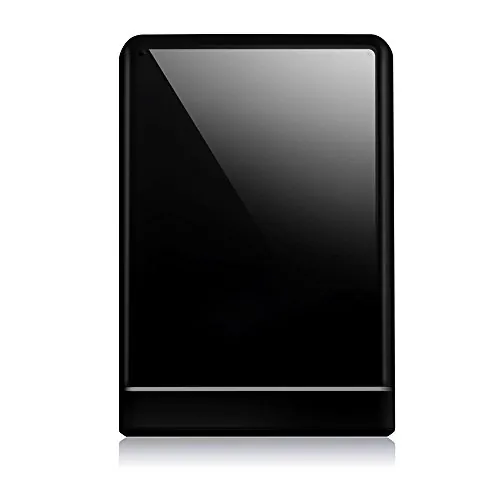
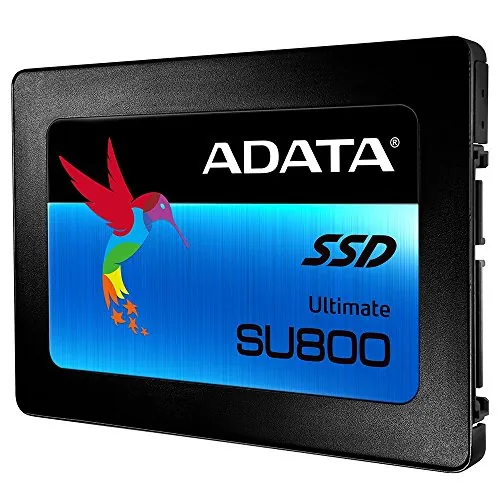
The HV620S is designed to travel: it is a slim 2.5-inch external drive with a blue LED indicator and a protective raised edge. The SU800 is a conventional compact 2.5-inch internal SSD, intended to disappear inside a compatible desktop or laptop rather than function as a carry-around accessory. The HV620S wins for external practicality; the SU800 is more appropriate where an internal form factor is required.
The HV620S uses a metal-and-plastic enclosure with a mirror-like surface and a raised peripheral lip intended to prevent surface scratching. Review feedback calls it slim and seemingly durable, and its build and durability scores are higher. The SU800's SSD construction removes moving mechanical parts, but supplied customer feedback includes concern about a fragile connector and reports of early failures, so its long-term durability assessment is lower.
The HV620S has the higher durability score and includes a raised lip intended to help protect its exterior surface. The SU800 benefits from solid-state storage rather than spinning media, but the comparison must follow the provided evidence: some reviews cite early failures and one mentions a fragile connector. For long-term confidence from the supplied scoring and reviews, the HV620S is ahead.
The HV620S is the more portable drive. Its slim 2.5-inch external design, USB connection, and high portability score make it practical for transporting larger data collections. The SU800 is lightweight and compact, but it is primarily designed to remain inside a computer. It can be carried, but external use would require an appropriate SATA enclosure that is not included in the provided data.
The HV620S focuses on physical external-storage convenience: USB 3.1 connectivity with USB 2.0 backward compatibility, a bright blue LED, a slim chassis, and a raised edge intended to protect its surface. The SU800 focuses on internal SSD technologies, including 3D NAND, DRAM cache, dynamic SLC caching, LDPC ECC, RAID Engine, Data Shaping, and DEVSLP. The better feature set depends on whether external flexibility or internal performance technology is more useful.
Neither drive is centered on a companion-app experience, but both have software considerations. The SU800 description offers downloadable SSD Toolbox and Migration Utility software, while a review says obtaining the migration tool was burdensome. For the HV620S, one reviewer found the available software confusing and used a generic alternative, while another reported Mac software incompatibility. Verify current software support before purchase if migration or management tools are important.
Both drives earn strong setup scores, but their installation paths differ. The HV620S is an external USB drive that reviewers describe as working after being plugged in. The SU800 is often reported as easy to install and immediately recognized, yet it still requires compatible internal SATA hardware and may require mounting hardware or a cable depending on the system. The HV620S is easier for no-tools external storage; the SU800 is manageable for an internal upgrade.
The SU800 has the stronger compatibility score and lists PC, Mac, and Linux support, provided the system can accept a 2.5-inch SATA SSD. The HV620S is listed for gaming consoles and laptops, including specified Xbox Series and PS5 models, but its supplied compatibility score is lower. One review also reports a Mac software compatibility problem, so Mac buyers should check current requirements carefully.
Connectivity is a use-case split. The HV620S uses USB 3.1 and remains backward compatible with USB 2.0, making it the more flexible option for externally connecting to supported laptops and consoles. The SU800 uses SATA 6.0Gb/s and is compatible with PC, Mac, and Linux hardware that supports a 2.5-inch SATA drive. The SU800 has the higher connectivity score, but it is not a plug-in USB drive.
The SU800 has the higher power-efficiency score and includes DEVSLP among its stated technologies. As an SSD, it is designed for efficient internal storage operation. The HV620S also scores reasonably for power efficiency and uses USB connectivity, but the provided data gives the SU800 the stronger efficiency position.
Value depends on the required role rather than the listed prices alone, which are very close despite the drives serving different purposes. The HV620S offers 2TB, external convenience, stronger overall scoring, and excellent customer satisfaction for portable storage buyers. The SU800 offers substantially higher speed and internal-upgrade benefits, but only 256GB and more durability concerns. Choose the product that avoids buying unnecessary capacity or insufficient performance for your intended use.
Both products come from ADATA, so the brand comparison is mainly about the confidence indicated by the supplied product-level evidence. The SU800 has a higher brand-trust score and a stated three-year warranty. The HV620S has a lower brand-trust score, influenced by review feedback alleging poor customer service and software compatibility issues. Support experiences can vary, but buyers who prioritize clearly stated coverage may prefer the SU800's provided warranty information.
The HV620S leads in customer satisfaction, with a 4.8/5 rating from 5,815 reviews versus 4.7/5 from 2,856 reviews for the SU800. HV620S reviewers praise its compactness, easy use, and successful console storage use. SU800 feedback is also largely positive, particularly for speed, installation, and value, but reports of early failures temper the overall picture. Both products have substantial positive review bases, with the HV620S holding the stronger supplied satisfaction score.
The SU800 has the clearer support position in the provided data because its description states a three-year warranty and its warranty-support score is substantially higher. No equivalent warranty term is supplied for the HV620S, whose warranty-support score is low. In addition, one HV620S review describes a difficult support interaction. Confirm current seller, return terms, and regional warranty coverage before ordering either drive.
The A-Data HV620S is the best overall option according to the supplied scores, especially for buyers who need 2TB of portable external storage. It combines a compact USB design, easy setup, high customer satisfaction, and strong portability. Its lower speed is expected for a 5,400RPM external mechanical hard drive, and buyers should be mindful of the software and support concerns present in some feedback.
The ADATA SU800 remains the better technical choice for a compatible internal computer upgrade. Its advertised SATA speeds, DRAM-backed SSD design, and frequent reports of faster boots and application loading make it far more suitable as a system drive. However, its 256GB capacity is limited, it needs internal SATA installation, and durability feedback is less consistent. Pick the HV620S for capacity and mobility; pick the SU800 for speed.

Overall winner
Depends on your needs
The better choice depends on the job. The HV620S is the stronger overall option in the supplied scoring and offers far more capacity in a portable USB format. The SU800 is the better choice for a compatible internal PC upgrade where faster booting, application response, and SATA transfer performance matter more than storage space.
Yes. The SU800 is specified for reads up to 560MB/s and writes up to 520MB/s, while the HV620S lists a 90MB/s read speed and uses a 5,400RPM mechanical drive. The provided reviews also repeatedly report faster boots and everyday PC responsiveness after installing the SU800.
The HV620S has much more capacity: 2TB compared with 256GB for the SU800. That makes the external hard drive more practical for larger collections of files, backups, and supported console storage. The SU800's smaller capacity is better suited to a system drive or a more limited internal storage role.
No. The HV620S is an external USB hard drive intended for compatible laptops and gaming consoles, while the SU800 is a 2.5-inch internal SATA SSD for compatible desktop and laptop hardware. The SU800 requires internal installation and a SATA connection; the HV620S is intended to connect externally through USB.
Both products have strong setup assessments, but the HV620S is generally the more direct option because it is an external USB drive and reviews describe plug-in use. The SU800 is also reported as easy to install, but internal installation, SATA compatibility, and possible data migration add steps for some users.
For a compatible older laptop or desktop, the SU800 is the more appropriate performance upgrade. Reviews report substantially improved boot times and general responsiveness after replacing older mechanical drives. Before buying, confirm that the computer accepts a 2.5-inch SATA drive and that 256GB provides enough usable space.
The HV620S has the higher supplied reliability score and stronger customer-satisfaction score. However, one review raises concerns about software compatibility and support. The SU800 receives much positive performance feedback, but the supplied review overview notes reports of failures after one to six months, which reduces confidence in long-term durability.
The product description states that ADATA provides SSD Toolbox and Migration Utility software for download. However, a review says the process to obtain migration software required proof of purchase in a particular format and was unnecessarily difficult. Buyers planning a clone should verify the current software-access process before relying on it.
Check our rankings and expert guides to find the best electronics products for your goals.