#1 Overall Winner
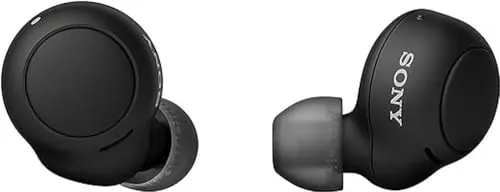
Sony WF-C500 True Wireless Headphones
- Strong battery and pocketable charging case designed for all-day use (10 hours stated for earbuds).
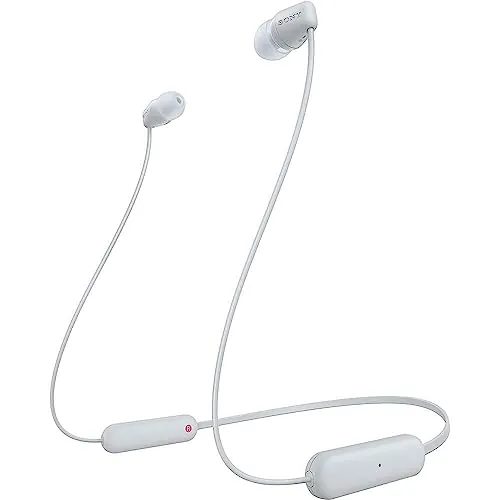
Comparison
The Sony WF-C500 and WI-C100 are budget-friendly Bluetooth in-ear options that both support DSEE and app-based EQ via Sony Headphones Connect. The main decision is true wireless portability (WF-C500) versus neckband convenience and longer stated battery life (WI-C100). On the provided scoring, WI-C100 is the stronger overall pick, while WF-C500 is compelling if you specifically want a compact true-wireless setup.
#1 Overall Winner
Contender
Choose the Sony WI-C100 if you want maximum battery life, a stable neckband design, and stronger all-around scores for everyday usability and connectivity.
Choose the Sony WF-C500 if you want a compact true wireless setup with a pocketable case and strong sound/value for the price—while accepting more mixed connectivity and reliability feedback.
Overall winner
Depends on your needs
| Metric | Sony WF-C500 | Sony WI-C100 | Winner | Explanation |
|---|---|---|---|---|
| Overall score | 75 | 79 | WI-C100 | Higher overall score driven by battery, usability, and connectivity/reliability advantages. |
| Form factor | True wireless + charging case | Neckband in-ear | Depends | WF-C500 is more pocketable; WI-C100 is tethered for easier retention. |
| Battery (stated) | 10 hours average life (earbuds) | Up to 25 hours | WI-C100 | WI-C100 lists much longer runtime and also scores higher for battery life. |
| Audio tuning | DSEE + Headphones Connect EQ | DSEE + Headphones Connect EQ | Tie | Both support DSEE and app-based presets/EQ customization. |
| Connectivity | Bluetooth 5.0, 10 m range | Bluetooth 5.0, 10 m range + Fast Pair | WI-C100 | WI-C100 adds Fast Pair and has the higher connectivity score; WF-C500 has more mixed pairing feedback. |
| Water resistance | Water resistant / sweatproof (no IP rating listed) | IPX4 splash resistance | WI-C100 | WI-C100 provides a specific IPX4 rating in the provided data. |
| Portability | Very compact (0.09 kg listed) | Neckband style (0.7 oz listed) | WF-C500 | True wireless case-and-buds setup is easier to pocket; portability score also favors WF-C500. |
| Controls | Buttons; voice assistant access | Buttons for media/volume | Depends | Both have simple hardware controls; WF-C500 emphasizes voice assistant access from the earbuds. |
| Customer satisfaction | 4.2/5, 15,071 reviews | 4.2/5, 13,910 reviews | WI-C100 | Same star rating; WI-C100 has a higher customer satisfaction score in the provided scoring data. |
| Reliability trend | Mixed; some early failures reported | Mixed; some mic/BT issues reported | WI-C100 | Both have mixed feedback, but the reliability and durability scores favor WI-C100. |
For everyday performance (music, podcasts, and calls), both models are positioned as budget Sony options with DSEE and app EQ. In the provided scoring, WI-C100 is slightly ahead on performance and audio quality, but the gap is small. Where the performance difference becomes more noticeable in practice is battery-driven consistency: WI-C100’s much higher battery scoring and stated 25-hour runtime can make it easier to get through long days without interruptions.
The WF-C500 remains a strong performer for its class and scores well for audio and value, but its lower connectivity and reliability scores align with the mixed reports of pairing quirks and occasional early failures.
Neither model is free from reliability concerns in the provided review summaries. The WF-C500 has notable negative feedback around early failures (commonly “one side stopped working”) and some pairing/connectivity complaints. Its reliability and durability scores are lower, matching that risk profile.
The WI-C100 also has mixed feedback, including reports of microphone issues and Bluetooth problems for some users, but it scores higher for reliability and durability overall. If minimizing the risk of problems is the goal, WI-C100 is the better bet on the available data—though still not a guaranteed “no-issues” pick.
The scoring favors WI-C100 for usability and setup. The neckband style can be simpler for many routines: you don’t have to manage a charging case during the day, and the earbuds remain tethered when you take them out. It also lists Fast Pair for easier initial connection on supported devices.
WF-C500 is still straightforward—button controls, app EQ, and a compact case—but reviews and the scoring point to more friction for some users, particularly around connectivity/pairing and occasional hardware issues. Fit is mixed on both, so tip choice and ear shape can heavily influence “ease of use” in practice.
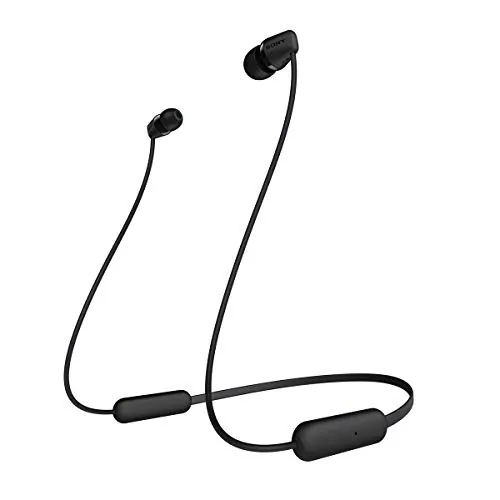
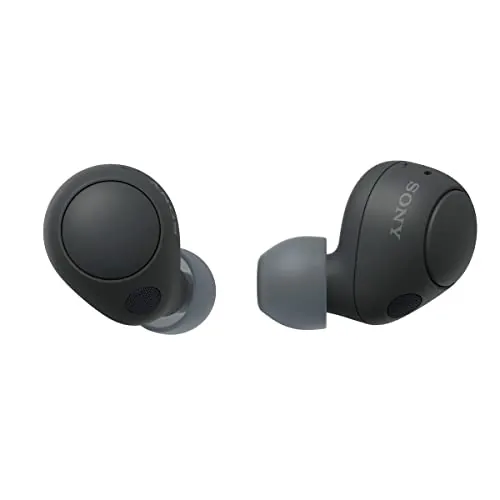
This matchup is primarily about design preference. The WF-C500 is a compact true wireless earbud with a pocketable case, designed for carry-anywhere convenience. The WI-C100 uses a well-balanced neckband shape and flexible band intended to sit comfortably around your neck for stable wear.
From the provided scoring, WF-C500 leads on portability, while WI-C100 leads on design and usability. If you frequently remove and reinsert earbuds during the day, or worry about losing a bud, WI-C100’s tethered design may feel more practical.
Both products are positioned as budget Sony models and use plastic-oriented materials in the provided specs (WF-C500 lists plastic enclosure; WI-C100 lists silicone plastic). Their build-quality scores are close, with a small edge to WI-C100. Long-term owner feedback for both includes mixed durability and reliability notes, so neither stands out as a “buy it for years without risk” option based strictly on the provided data.
Durability feedback is mixed for both products. The WF-C500 has reviews that range from long-term use to failures within a year, and its durability score is relatively low in the provided scoring. The WI-C100 scores higher for durability and has multi-pair repeat-buyer reviews, but it also includes “broke after about a year” style complaints.
If you’re hard on earbuds or plan heavy daily use, the available data suggests WI-C100 is the more durable option overall, while WF-C500 may require a bit more caution (and careful case/charging-contact hygiene).
If maximum portability means “fits in any pocket,” the WF-C500 is the better match: compact buds and a small charging case designed to travel. It also has the higher portability score.
The WI-C100 is portable in a different way—you can wear it around your neck between listens without needing to pocket a case. If you frequently take earbuds in and out throughout the day, that can be more convenient than storing true wireless buds each time.
If you want the most helpful day-to-day features from the provided data, WI-C100 has the edge; if you want the true-wireless lifestyle, WF-C500’s case-based design is the defining feature.
Both models use Sony Headphones Connect for EQ and presets. The provided scoring gives WI-C100 the edge for app experience and features. Reviews for WF-C500 mention the app as a positive, but also reference occasional connectivity/preset issues for some users. With either model, the app is most valuable if you plan to tune EQ rather than stick with default sound.
Both rely mainly on the Sony Headphones Connect app for customization and on-device controls for day-to-day use. The WF-C500 listing emphasizes quick access to your phone’s voice assistant from the earbuds. The WI-C100 emphasizes Fast Pair plus app-based tuning.
Overall, smart features are modest on both (no active noise control is listed), but WI-C100 scores higher in smart features and app experience in the provided scoring.
The provided scoring favors WI-C100 for setup. It explicitly lists Fast Pair and is generally described as easy to use, while also being simple to grab and wear due to the neckband format. WF-C500 setup is typically straightforward too, but the review summary includes more pairing complaints, which can add friction depending on your phone model and Bluetooth environment.
Both are broadly compatible with common devices via Bluetooth. WF-C500 lists a particularly wide set of compatible devices (including TVs and car audio systems in the provided data), while WI-C100 lists cellphones, tablets, laptops, and smart speakers. In scoring, WI-C100 leads on compatibility.
If you’re planning to use these across multiple device types (phone + laptop + TV, for example), check your specific devices’ Bluetooth behavior and whether you need multipoint switching (not listed for either product, and specifically called out as missing for WI-C100 in a review).
Both models score well for audio quality and include DSEE plus Headphones Connect EQ to fine-tune sound. Review summaries for both mention good sound quality and strong value for the price, rather than premium “audiophile” performance. WF-C500 reviews commonly mention punchy bass and good volume for the class, while WI-C100 reviews often emphasize pleasing sound and comfort for long listening sessions.
Neither lists active noise control, so perceived isolation will depend largely on fit and ear tips. If you want the safer “all-around” bet on the provided data, WI-C100 is slightly ahead; if you want true wireless convenience without sacrificing sound, WF-C500 remains competitive.
Both use Bluetooth 5.0 with a stated 10-meter range. However, the WI-C100 scores higher for connectivity and explicitly lists Fast Pair. Customer feedback for both is mixed, but the WF-C500 summary calls out pairing complaints (including iPhone-related issues), and some reviews mention dropouts.
One WI-C100 review also notes the lack of multipoint Bluetooth, which can matter if you frequently switch between laptop and phone. If connection stability and easy setup are top priorities, the provided scoring points to WI-C100 as the safer choice.
Battery life is the clearest differentiator. The WF-C500 lists 10 hours average life for the earbuds and includes a charging case for recharging on the go; user reports vary, with some citing long shifts and others feeling it doesn’t last as long as expected.
The WI-C100 lists up to 25 hours of battery life and has a much higher battery life score. For long workdays, travel, or extended listening without thinking about charging, WI-C100 is the stronger fit based on the provided data.
In the provided scoring, WI-C100 ranks higher for power efficiency, aligning with its long stated battery life. WF-C500 also scores reasonably for power efficiency, but user feedback includes more variability around battery expectations and charging behavior. If you want fewer charging cycles and longer time between top-ups, WI-C100 is the more efficient choice based on the available data.
Both products score well for value and have strong review volume for budget models. On the provided scoring, WI-C100 is the better value pick overall because it pairs long stated battery life, splash resistance (IPX4), and stronger usability/connectivity scores. The WF-C500 remains strong value if you specifically want true wireless earbuds with a compact charging case and high portability; its lower reliability/connectivity scores are the main reason it trails overall.
This is effectively a tie on brand alone since both are Sony, but the provided scoring gives WI-C100 a higher brand trust score. Practically, brand trust here is more about consistency of ownership experience: both have very high review counts and similar star ratings, yet both also have some recurring complaints about reliability. If brand reassurance matters, WI-C100’s higher satisfaction and reliability scoring helps.
Both models sit at 4.2/5 stars with very large review counts (WF-C500: 15,071; WI-C100: 13,910). The WF-C500 review summary highlights praise for sound, bass/volume, and value, but mixed fit, mixed “noise cancellation” expectations, and reports of right-earbud failures and iPhone pairing issues.
The WI-C100 review summary emphasizes sound quality, comfort, quick charging, and excellent value, with mixed notes on fit and some reports of mic/Bluetooth issues. Overall, the customer satisfaction score favors WI-C100.
No detailed warranty terms are provided in the product data. In the provided scoring, WI-C100 scores higher for warranty/support than WF-C500, but both are relatively low compared with other categories. If support is important, check the seller’s return window and Sony warranty coverage for your region before buying, especially given the mixed reliability reports for both models.
For most buyers comparing these two Sony budget models, the Sony WI-C100 is the better overall choice on the provided data. It scores higher overall and stands out with much stronger battery performance, higher usability and setup scores, and better connectivity/reliability scoring, plus a clearly stated IPX4 rating.
The Sony WF-C500 remains a smart alternative when your top priority is a compact true wireless experience with a pocketable charging case. It competes well on sound and value, but its lower reliability and connectivity scores align with the more mixed ownership feedback (including one-side failures and pairing complaints for some users).
If you want the safest all-around pick, go WI-C100. If you specifically want true wireless convenience and can accept a bit more risk, WF-C500 can still be the right fit.
Overall winner
Depends on your needs
Based on the provided scoring, the Sony WI-C100 ranks higher overall (79 vs 75). It scores particularly well for battery life, usability, and connectivity. The Sony WF-C500 still makes sense if you specifically want a true wireless design with a compact charging case and maximum pocketability.
The Sony WI-C100 has the advantage on stated battery life, listing up to 25 hours, and it also has the higher battery life score. The WF-C500 lists 10 hours average life for the earbuds, with a charging case for on-the-go top-ups. If long shifts or travel are your priority, WI-C100 is the clearer pick.
No. In the provided specifications for both models, Noise Control is listed as None. Some reviewers mention isolation or perceived “noise cancellation,” but that’s typically passive isolation from the ear tips rather than active noise cancelling. If ANC is a must-have, you’d need a different model than these two.
Both support DSEE and work with the Sony Headphones Connect app, which includes presets and EQ customization (as described in the listings). In scoring, WI-C100 edges WF-C500 on features and app experience, but both are positioned for app-based tuning rather than “fixed” sound only.
The WI-C100 neckband style is tethered, which many buyers find easier to keep track of since the earbuds stay connected to the band when not in your ears. The WF-C500 is fully true wireless, which is more pocketable, but it also means you need to rely on the charging case and your own habits to avoid misplacing an earbud.
Comfort feedback is mixed for both. The WI-C100 is described as comfortable with soft ear tips and a stable neckband, but some users say the earbuds can fall out. The WF-C500 is designed to be compact and secure, yet reviews mention mixed fit comfort and that the buds may shift over time for some ear shapes.
Both include a built-in microphone and are marketed for clearer hands-free calling. Reviews for WF-C500 mention clearer calling, but also include reliability and connectivity complaints that can affect call consistency. WI-C100 reviews are generally positive on daily use, though some users report microphone issues after a period of ownership. If calls are critical, consider the mixed reliability notes for both.
On scoring, the WI-C100 rates higher for connectivity and reliability than the WF-C500. WF-C500’s review summary mentions pairing issues (including iPhone-related complaints) and occasional connection problems, while WI-C100 reviews are mixed but often describe stable everyday connections. Your experience can still vary by phone/PC and environment.
Both rate well on value, but the WI-C100 has the higher value score and combines long stated battery life, splash resistance (IPX4), and app-based sound tuning. The WF-C500 is also strong value if you specifically want the true wireless form factor with a small charging case and high portability, even if connectivity/reliability feedback is more mixed.
Check our rankings and expert guides to find the best electronics products for your goals.