#1 Overall Winner
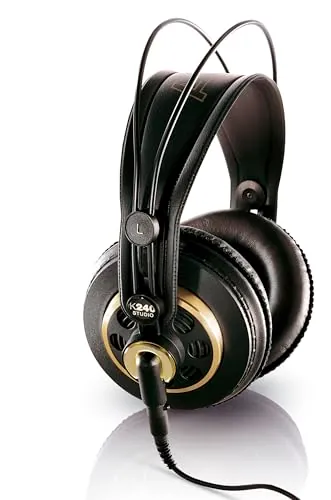
AKG K240STUDIO Semi-Open Studio Headphones
- Strong overall score balance with standout audio, usability, and value scoring.
Comparison
The AKG K240 Studio and AKG K702 are wired, over-ear studio headphones aimed at neutral monitoring and long-session comfort. The K702 scores higher for audio quality and is strongly associated with an airy, wide soundstage, while the K240 Studio scores higher overall thanks to stronger value, easier setup/connectivity, and higher customer satisfaction. For most budget-focused studio buyers, the K240 Studio is the safer all-round pick; for maximum openness and detail, the K702 is compelling.
#1 Overall Winner
Contender
Choose the AKG K240 Studio if you want a studio-leaning, neutral headphone with stronger overall scoring, better value, and a more complete connectivity bundle (3.5 mm plus 6.3 mm adapter listed).
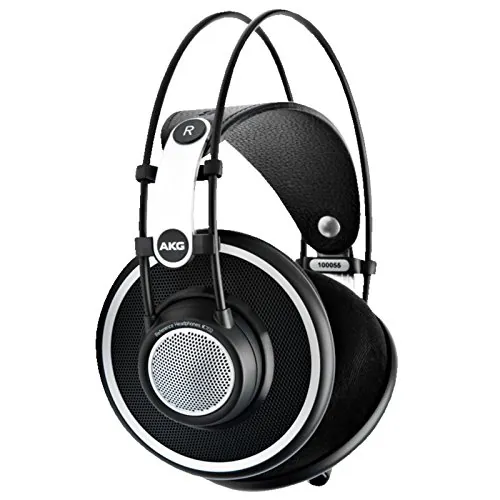
Choose the AKG K702 if your priority is an open-back reference style with higher audio scoring and review praise for wide soundstage—assuming you can accept sound leakage and mixed durability/reliability reports.
Overall winner
Depends on your needs
| Feature | AKG K240STUDIO Semi-Open Studio Headphones | AKG Pro Audio 2458X00190 (K702) Over-Ear, Open-Back, Flat-Wire, Reference Studio Headphones,Black | Winner |
|---|---|---|---|
| overall_score | 84 overall | 79 overall | AKG K240STUDIO Semi-Open Studio Headphones |
| audio_quality | 88 audio | 91 audio | AKG Pro Audio 2458X00190 (K702) Over-Ear, Open-Back, Flat-Wire, Reference Studio Headphones,Black |
| performance | 86 performance | 83 performance | AKG K240STUDIO Semi-Open Studio Headphones |
| usability/comfort | 84 usability | 78 usability | AKG K240STUDIO Semi-Open Studio Headphones |
| build_quality | 68 build quality | 60 build quality | AKG K240STUDIO Semi-Open Studio Headphones |
| reliability | 67 reliability | 56 reliability | AKG K240STUDIO Semi-Open Studio Headphones |
| durability | 64 durability | 50 durability | AKG K240STUDIO Semi-Open Studio Headphones |
| connectivity | Wired; 3.5 mm + 6.3 mm adapter listed | Wired; 3.5 mm listed | AKG K240STUDIO Semi-Open Studio Headphones |
| design_type | Semi-open, over-ear | Open-back, over-ear | Depends |
| noise_isolation | No ANC; limited isolation (semi-open) | No ANC; minimal isolation (open-back) | Tie |
| portability | 72 portability score | 38 portability score | AKG K240STUDIO Semi-Open Studio Headphones |
| setup | 90 setup score | 82 setup score | AKG K240STUDIO Semi-Open Studio Headphones |
| customer_satisfaction | 4.5/5 from 12,317 reviews | 4.2/5 from 4,440 reviews | AKG K240STUDIO Semi-Open Studio Headphones |
| value | 88 value score | 81 value score | AKG K240STUDIO Semi-Open Studio Headphones |
For real-world studio use, both headphones are built around clear, neutral monitoring rather than noise isolation or portable convenience. The provided performance score favors the K240 Studio (86 vs 83), and reviews repeatedly describe it as a strong “work” headphone that helps with EQ decisions and spoken-word clarity.
The K702 performs best when your priority is an open, spacious presentation for critical listening. Its review sentiment emphasizes soundstage and positional clarity. In practice, your environment matters: because both designs leak sound (semi-open vs open-back), performance for tracking/recording near microphones or in noisy spaces will be limited.
Reliability is a concern for both models based on review summaries, but the scores favor the K240 Studio (67 vs 56). K240 Studio reviews are mixed—some say they hold up to daily use, others mention quick breakage.
K702 review summaries also report failures (including channel issues) and concerns around plastic durability. If you plan heavy daily use, it’s worth considering careful handling habits and the practical benefit of detachable cables for maintenance.
The provided usability score favors the K240 Studio (84 vs 78). Its self-adjusting headband design is meant to reduce fiddling, and reviews commonly call out comfortable wear and easy day-to-day use for studio tasks.
The K702 is also frequently described as comfortable for long sessions, but some reviews mention it can be quiet and that fit/comfort can vary by person. For both, usability improves if you pair them with the right source gear and use them in an environment where leakage won’t be a problem.
The core design difference is airflow and leakage: the K240 Studio is semi-open and the K702 is open-back. The K240 Studio focuses on a self-adjusting headband and circumaural pads, while the K702 emphasizes specially shaped 3D-foam ear pads and a padded leather headband.
For shared spaces, both designs can be problematic because sound can be heard by people nearby. For quiet rooms, the K702’s open-back approach is often chosen specifically for a more expansive presentation, while the K240 Studio aims to balance openness with a more studio-utility package.
Both products receive mixed build-quality feedback in the review summaries. The scoring favors the K240 Studio for build quality (68 vs 60), but neither model is universally described as rugged. K240 Studio customers are split between “well-constructed” impressions and comments that it can feel cheaply made.
For the K702, some buyers find it well built, while others report issues like channel failure and plastic breaking after light use. If build confidence is a top priority, treat either as equipment that benefits from careful handling and cable management.
Durability scoring favors the K240 Studio (64 vs 50). Customer feedback for both is mixed, but the K702 has more explicit summary mentions of plastic breaking and early failures. The K240 Studio also isn’t immune—some customers report breakage—so neither should be treated as a “throw in a bag” portable headphone.
Neither headphone is designed for commuting: both leak sound and provide little isolation. Still, portability scoring strongly favors the K240 Studio (72 vs 38), suggesting it’s the more practical option if you occasionally move between rooms or setups. The K702 is best treated as a dedicated at-desk headphone due to its open-back design and lower portability score.
Neither model focuses on modern convenience features: both are wired and list no active noise control. Where they differ is in studio-oriented details. The K240 Studio listing emphasizes XXL transducers, a self-adjusting headband, and includes a 3.5 mm plug with a screw-on 6.3 mm adapter plus a detachable cable. The K702 emphasizes its open technology, flat-wire voice coil, Varimotion two-layer diaphragm, and also includes a detachable cable with a professional mini XLR connector.
If your “features” checklist includes isolation, wireless, or a built-in mic, neither product is aimed at that use case.
Setup is simple for both (plug in and play), but the provided score favors the K240 Studio (90 vs 82). Its included 6.3 mm adapter can reduce friction when connecting to studio interfaces, amps, or instruments that use larger jacks. The K702 is also straightforward, but review notes about needing more volume/power in some setups suggest your source device can influence the first-use experience.
Both models list compatibility with common devices like laptops/desktops, and both are wired, making them broadly compatible with any device that can accept a 3.5 mm headphone connection (directly or via adapter). The K240 Studio listing explicitly includes a screw-on 6.3 mm adapter, which can improve compatibility with studio gear right away.
Because both have moderate impedance figures in the listings (55 ohms for K240 Studio, 62 ohms for K702), it’s also sensible to check whether your intended source can provide enough output for your preferred volume.
Audio quality scoring favors the AKG K702 (91 vs 88). Reviews repeatedly highlight its wide soundstage and clear, balanced presentation for critical listening, with multiple comments noting bass is not the focus.
The K240 Studio is also strongly reviewed for detailed, neutral monitoring and is often described as a high-value entry into studio headphones. Several reviews describe it as clearer for work tasks (EQ/panning/mixing decisions) than entertainment-focused headphones, with limited bass emphasis and semi-open leakage as trade-offs.
Both headphones are primarily wired models designed for studio and desktop use. The K240 Studio includes a 3.5 mm connector and a screw-on 6.3 mm adapter in the box contents, which can make it simpler to plug into audio interfaces, headphone amps, and some instruments without buying extra adapters.
The K702 listing specifies a 3.5 mm jack and a detachable cable with mini XLR connector. With either model, check your source device outputs and whether you need adapters or an amp/interface for your preferred listening volume and workflow.
Both are passive wired headphones with no battery. The provided power efficiency score is slightly higher for the K240 Studio (78 vs 74). In real use, “efficiency” mainly comes down to how easily your source device can drive them to a comfortable level; reviews for the K702 include mentions of being quiet on some setups, so pairing with an appropriate source can matter.
Value scoring favors the K240 Studio (88 vs 81) and is supported by its higher customer satisfaction score and larger, higher-rated review base. It’s positioned as an affordable studio-monitoring entry point with a detachable cable and included adapter.
The K702 can still represent good value for buyers who specifically want an open-back reference style with very high audio scoring and strong soundstage feedback. However, its mixed durability/reliability sentiment means value depends more on how carefully you use it and whether you’re comfortable with potential long-term maintenance or replacement.
Both products come from AKG, a brand with a long professional-audio history referenced in the listings. The provided scores rate brand trust higher for the K240 Studio (82 vs 74). Practically, buyer confidence here also ties to review patterns: both models have mixed durability narratives, so “brand trust” does not automatically translate into worry-free ownership for either.
Customer satisfaction data favors the K240 Studio: it has a higher rating (4.5/5 vs 4.2/5) and a much larger review count (12,317 vs 4,440), plus a higher satisfaction score (90 vs 84). Common praise centers on sound clarity, comfort, and value.
The K702 also receives substantial praise for soundstage, clarity, and comfort, but its review summary includes more pointed reliability/durability concerns (channel failures, plastic breakage), which can weigh on satisfaction for some buyers.
Warranty/support clarity is limited in the provided data. The K702 listing mentions a manufacturer’s limited product warranty applying only when purchased from AKG Authorized North American Dealers, which is an important eligibility detail. Score-wise, warranty/support favors the K240 Studio (55 vs 45), but neither score is strong. Before buying, confirm seller authorization status and return terms on the listing you plan to purchase from.
The AKG K240 Studio is the better overall choice in this comparison based on the provided scores: it ranks higher overall and combines strong audio performance with better usability, setup, connectivity, value, and customer satisfaction. If you want a studio-leaning headphone that’s widely liked at its price tier and connects easily to common studio gear, it’s the more balanced pick.
The AKG K702 remains a strong alternative for buyers who specifically want an open-back reference style with higher audio scoring and a wide soundstage for critical listening. It’s best used in a quiet, private space where leakage won’t bother others. Because both models have mixed durability/reliability feedback, the “right” choice ultimately depends on your environment, bass preferences, and how much you prioritize soundstage versus overall value and ownership confidence.

Overall winner
Depends on your needs
Based on the provided scores, the AKG K240 Studio rates higher overall (84 vs 79) thanks to stronger value, setup, and customer satisfaction. The AKG K702 is still a strong pick if your priority is maximum openness and detail-focused listening, as its audio score is higher. The better choice depends on whether you want better overall balance/value (K240) or a more reference-open presentation (K702).
The provided scoring favors the AKG K702 for audio quality (91 vs 88). Reviews also frequently mention a wide soundstage and crystal-clear presentation on the K702. That said, the K240 Studio is also repeatedly described as detailed and neutral, and many buyers like it for mixing and monitoring—especially as a lower-cost entry into studio headphones.
Neither is ideal for recording vocals in the same room as a microphone. The K240 Studio is semi-open and the K702 is fully open-back, so both can leak sound outward. Multiple reviews call out leakage as something to plan for. For recording, buyers typically want stronger isolation than these designs provide, especially to avoid bleed into a mic.
Both are positioned for long listening sessions. The K240 Studio highlights a self-adjusting headband and over-ear pads, and comfort is a frequent positive theme in customer feedback. The K702 also receives comfort praise, with the listing emphasizing specially shaped 3D-foam pads and a padded leather headband. If comfort is your only priority, it may come down to fit preferences and head shape.
The AKG K702 is explicitly open-back, while the K240 Studio is semi-open. In practice, both leak sound and offer little isolation, but an open-back design generally prioritizes a more airy presentation and can be more noticeable for leakage. If you share a room or need privacy, both are risky choices based on the product designs and review feedback.
Using the provided value scoring and review context, the AKG K240 Studio comes out ahead for value (88 vs 81). Buyers repeatedly mention it as a strong budget studio option with detailed, neutral sound. The K702 can still be a good value for people specifically chasing open-back spaciousness and higher audio scoring, but it costs more and has more mixed durability/reliability feedback.
Both are wired and straightforward, but the scores favor the K240 Studio for setup (90 vs 82) and connectivity (78 vs 62). The K240 Studio listing also includes a 3.5 mm connector plus a screw-on 6.3 mm adapter, which can simplify use with audio interfaces and headphone amps. With either model, consider whether your source has enough output for your preferred listening level.
Neither model is universally described as bulletproof. The K240 Studio has mixed durability feedback, with some customers saying it holds up well and others reporting quick breakage. The K702 also has mixed reliability, including reports of channel failure and plastic breaking. Score-wise, K240 Studio rates higher in reliability and durability than K702, but both warrant careful handling.
Based on review themes, neither model is primarily tuned for bass-heavy listening. Multiple K702 reviews mention bass being light, and several K240 Studio reviews describe it as neutral/flat without added bass emphasis. If your main goal is strong bass impact, these studio-oriented AKG models may not match that preference, especially compared with headphones designed for entertainment-focused tuning.
Check our rankings and expert guides to find the best electronics products for your goals.