ElectronicsRanker
Menu
AKG K240STUDIO vs AKG K52: Which Budget AKG Studio Headphones Fit Your Setup?

Comparison

AKG K240STUDIO vs AKG K52: Which Budget AKG Studio Headphones Fit Your Setup?

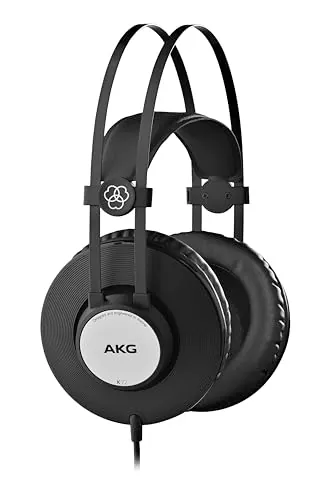
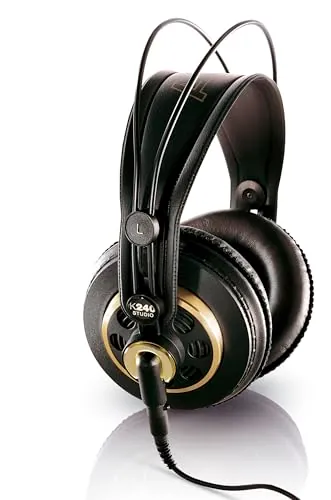
The AKG K240STUDIO and AKG K52 are wired, over-ear AKG headphones aimed at studio monitoring on a budget, but they solve different problems. The K240STUDIO’s semi-open design and higher audio/accuracy scores favor critical listening and mixing in quiet rooms, while the K52’s closed-back build is better when you need privacy and reduced leakage. Overall scores slightly favor the K240STUDIO, but the better choice depends on whether isolation or openness matters more.

Expert tested Data driven Unbiased reviews Updated 10 June 2026
AKG K240STUDIO Semi-Open Studio Headphones

#1 Overall Winner

AKG K240STUDIO Semi-Open Studio Headphones

84/100
  • Neutral, detailed monitoring-style tuning highlighted in reviews for clear detail and mixing usefulness.
View review
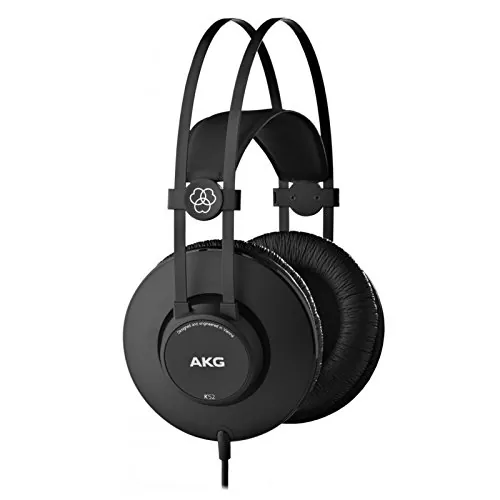
AKG K52 Headphones

Contender

AKG K52 Headphones

82/100
  • Closed-back design for privacy intended to reduce leakage and improve isolation for tracking/recording scenarios.
View review

Quick verdict

  • Choose AKG K240STUDIO if you want a more monitoring-leaning, neutral presentation for mixing/critical listening in a quiet space, and you prefer a detachable cable.
  • Choose AKG K52 if you need a closed-back design for privacy, reduced leakage around microphones, and broad plug-and-play compatibility (32 Ω).

Overall winner

Depends on your needs

At-a-glance comparison

Feature AKG K240STUDIO Semi-Open Studio Headphones AKG K52 Headphones Winner
Overall score 84 82 AKG K240STUDIO Semi-Open Studio Headphones
Audio quality 88 83 AKG K240STUDIO Semi-Open Studio Headphones
Accuracy 85 65 AKG K240STUDIO Semi-Open Studio Headphones
Usability/comfort score 84 79 AKG K240STUDIO Semi-Open Studio Headphones
Design type Semi-open, over-ear Closed-back, over-ear Depends
Cable design Detachable (mini XLR) Fixed cable AKG K240STUDIO Semi-Open Studio Headphones
Impedance 55 Ω 32 Ω AKG K52 Headphones
Driver size (listed) 30 mm 40 mm AKG K52 Headphones
Weight (listed) 240 g 200 g AKG K52 Headphones
Build quality score 68 74 AKG K52 Headphones
Reliability score 67 71 AKG K52 Headphones
Durability score 64 73 AKG K52 Headphones
Compatibility score 80 86 AKG K52 Headphones
Customer satisfaction 90 88 AKG K240STUDIO Semi-Open Studio Headphones
Value score 88 90 AKG K52 Headphones
Setup score 90 92 AKG K52 Headphones

Detailed comparison

Performance

For overall listening performance, both models score well as budget studio headphones, but they prioritize different outcomes. The AKG K240STUDIO scores higher for performance and especially audio quality and accuracy, matching review feedback that emphasizes a neutral, detailed sound that helps with mixing decisions.

The AKG K52 scores slightly lower for audio/accuracy but can perform better in real-world situations where isolation and leakage control affect usability (for example, tracking near microphones). If your “performance” metric includes working around other people or noise, the K52’s closed-back approach may translate into better practical results.

Reliability

Scores give the AKG K52 a small advantage in reliability and durability. Review feedback includes some complaints about static or cable/jack issues, but overall sentiment remains strong for the price.

The AKG K240STUDIO has very positive satisfaction overall, yet reviews and scoring highlight more mixed durability outcomes. Its detachable cable may reduce the impact of cable wear, but it doesn’t fully offset mixed reports about longevity.

AKG K240STUDIO Semi-Open Studio Headphones

Pros

  • Neutral, detailed monitoring-style tuning highlighted in reviews for clear detail and mixing usefulness.
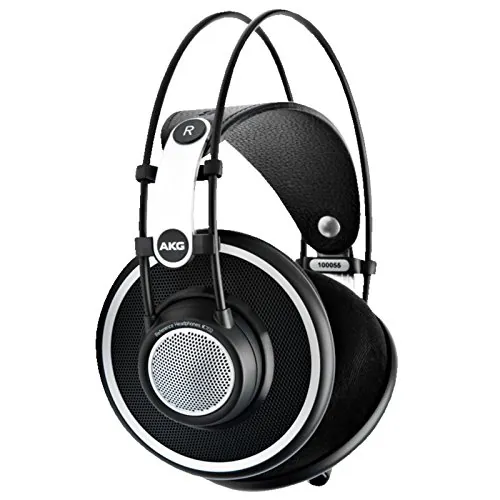
  • Semi-open, circumaural design that reviewers associate with a wider, more open presentation than closed-backs.
  • Comfort-focused fit with a self-adjusting headband; many buyers report long-session comfort.
  • Detachable cable (mini XLR) for easier replacement than fixed-cable designs.
  • Flexible connectivity via 3.5 mm plug plus screw-on 6.3 mm adapter and a long 3 m cable.
  • Strong category scores for audio quality, accuracy, and value in the provided scoring data.

Cons

  • Limited isolation due to semi-open design; reviews mention limited noise isolation.
  • Sound leakage makes it a poor fit for recording with microphones or quiet shared spaces.
  • Mixed build/durability feedback with some buyers describing it as cheaply made or reporting breakage.
  • Not bass-emphasized ; some reviewers describe bass as flat/lacking if you want a heavier low end.
  • No active noise cancellation or wireless features (wired, no noise control listed).
AKG K240STUDIO Semi-Open Studio Headphones

AKG K52 Headphones

Pros

  • Closed-back design for privacy intended to reduce leakage and improve isolation for tracking/recording scenarios.
  • Broad device compatibility supported by low impedance (32 Ω) and a standard 3.5 mm plug with 6.3 mm adapter.
  • Comfort commonly praised in reviews for extended listening sessions (though not universally).
  • Replaceable ear pads called out in the product details for longer-term upkeep.
  • Good value positioning with very strong value score and positive “for the money” review sentiment.
  • Lightweight build (200 g) and single-sided cable mentioned as practical for desk/studio use.

Cons

  • Fixed (non-detachable) cable noted in customer feedback as a drawback versus replaceable cables.
  • Mixed fit and comfort reports ; some find it snug or experience soreness/fatigue.
  • Some static/jack/cable-related complaints appear in reviews.
  • Closed-back presentation can feel less “airy/open” per reviewer comparisons to open-back styles.
  • No wireless/smart features and no active noise cancelling (passive isolation only).
AKG K52 Headphones

Final verdict

If you’re deciding purely on the provided scoring and monitoring-focused sound priorities, the AKG K240STUDIO is the better overall pick (84 vs 82), with stronger audio quality and accuracy and very high customer satisfaction. It’s a solid choice for mixing, editing, and critical listening—assuming you work in a space where semi-open leakage and limited isolation won’t cause problems.

The AKG K52 remains an excellent alternative, and in some setups it’s the smarter buy: closed-back privacy is valuable for tracking and shared environments, and its compatibility, durability, and value scoring are strong. If you need containment, portability in public/shared spaces, or want replaceable ear pads, the K52 can be the better day-to-day tool.

Overall winner

Depends on your needs

Frequently asked questions

Which is better overall: AKG K240STUDIO or AKG K52?

Based on the provided overall scores, the AKG K240STUDIO leads slightly (84 vs 82). It rates particularly well for audio quality and accuracy, aligning with reviews that describe a neutral, detailed monitoring sound. The AKG K52 stays very competitive and can be the better pick if you specifically need a closed-back design for privacy and reduced leakage.

Which one is better for recording vocals (to avoid headphone bleed)?

The AKG K52 is the safer choice for vocal tracking and mic work because it is closed-back and is designed to reduce leakage. By contrast, the AKG K240STUDIO is semi-open, and reviews explicitly mention sound leakage—useful for an open feel, but not ideal when a microphone is nearby.

Which headphone has better isolation for noisy environments?

The AKG K52 should suit noisy spaces better because it uses a closed-back design and is described as providing isolation and privacy. The AKG K240STUDIO has limited isolation due to its semi-open construction, and aggregated review sentiment notes mixed feedback around noise isolation.

Which one is better for mixing and critical listening?

The AKG K240STUDIO is more directly aligned with mixing-focused, critical listening use based on its higher audio quality and accuracy scores and reviews describing a neutral, clear presentation that helps with EQ and panning decisions. The AKG K52 can still work for mixing, but some reviews mention a less airy closed-back character and occasional fatigue.

Are these headphones good for bass-heavy music?

Buyer feedback suggests the answer depends on what you want. The AKG K52 is often described as having a stronger or “heavy bass” character in aggregated reviews. The AKG K240STUDIO is frequently described as neutral and not bass-boosted, with some reviewers noting bass can feel flat or lacking if you prefer a bigger low-end emphasis.

Which one is more comfortable for long sessions?

Both models emphasize comfort with self-adjusting headbands and over-ear pads, and both receive comfort praise in reviews. That said, comfort is mixed for the AKG K52, with some users reporting soreness or fatigue after longer use. The AKG K240STUDIO scores slightly higher for usability and is commonly described as comfortable for long studio sessions.

Which has the better cable setup for long-term ownership?

The AKG K240STUDIO has an advantage for maintenance because it includes a detachable cable (mini XLR), which can be replaced if it fails. The AKG K52 uses a fixed cable, and some reviews mention cable/jack movement creating static or concerns about longevity—meaning a cable failure can be more inconvenient.

Which is easier to drive from a phone or laptop?

The AKG K52 is listed at 32 Ω and is marketed as compatible with a broad range of devices, which generally favors easier powering from common outputs. The AKG K240STUDIO is 55 Ω; reviews suggest it can benefit from being used with stronger sources (like a DAC or audio interface) depending on your listening goals.

Do either of these include noise cancelling or wireless features?

No. Both the AKG K240STUDIO and AKG K52 are wired headphones with no app-based or smart features listed. The K52 relies on passive isolation from its closed-back design, while the K240STUDIO has a semi-open design that prioritizes an open sound over isolation.

Related comparisons

Still not sure which one to choose?

Check our rankings and expert guides to find the best electronics products for your goals.

View all rankings