#1 Overall Winner
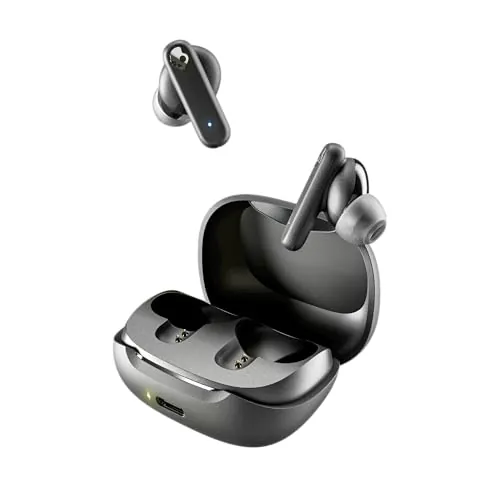
Skullcandy Smokin’ Buds Wireless Earbuds (True Black)
- Strong overall sound for the category: positioned around “big, clean sound,” supported by a high audio score and frequent review praise.
Comparison
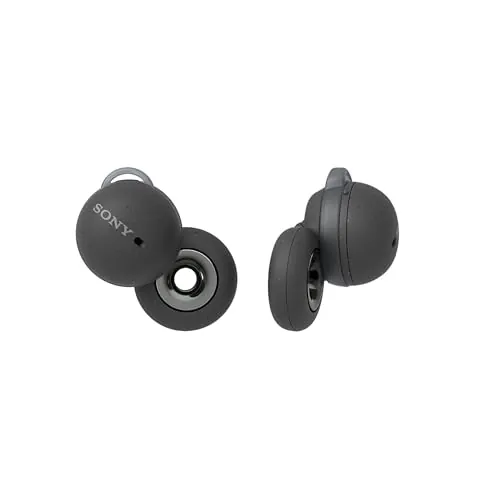
Skullcandy Smokin’ Buds and Sony LinkBuds target very different listeners: Skullcandy focuses on a noise-isolating in-ear fit and value-driven sound, while Sony’s open-ring design prioritizes ambient awareness and smart features. On the provided scoring, Skullcandy wins overall (69 vs 62), but LinkBuds can be the better choice if you want an open, breathable feel and multipoint-capable connectivity.
#1 Overall Winner
Contender
Choose Skullcandy Smokin’ Buds if you want a noise-isolating in-ear fit, strong sound-per-dollar, and simple EQ modes—just keep in mind the recurring reliability/charging complaints.
Choose Sony LinkBuds if you want an open, ambient design for walking or at-home listening and you care about smart features and multipoint connectivity—accepting that battery, fit, and noisy-environment performance are more mixed.
Overall winner
Depends on your needs
| Metric | Skullcandy Smokin’ Buds | Sony LinkBuds | Winner | Explanation |
|---|---|---|---|---|
| Overall score | 69 | 62 | Skullcandy Smokin’ Buds | Higher overall category score in the provided data. |
| Sound approach | Noise-isolating in-ear fit | Open-ring ambient design | Depends | Choose isolation to reduce outside noise (Skullcandy) or open design to stay aware (Sony). |
| Audio quality score | 82 | 69 | Skullcandy Smokin’ Buds | Higher audio quality score and consistent review praise for clear sound and bass. |
| Features score | 72 | 83 | Sony LinkBuds | Sony’s feature set stands out (Alexa, adaptive volume, multipoint via firmware, Wide Area Tap). |
| Connectivity score / Bluetooth | 61 / Bluetooth 5.0 | 78 / Bluetooth 5.2 | Sony LinkBuds | Higher connectivity score and newer Bluetooth version, plus multipoint capability (firmware update). |
| Battery (listed total) | Up to 20 hours (8+12) | 20 hours; 5 min quick charge for 60 min | Depends | Both list 20 hours total; Skullcandy scores higher for battery, while Sony’s quick-charge claim is clearly stated. |
| Reliability score | 42 | 43 | Tie | Both are low/mid on reliability scoring with mixed customer reports. |
| Customer rating (Amazon) | 4.4/5 (6,862 reviews) | 3.5/5 (3,865 reviews) | Skullcandy Smokin’ Buds | Higher star rating and more reviews in the provided listing data. |
| Portability score | 88 | 91 | Sony LinkBuds | Both are very portable; Sony edges it slightly in the provided scoring. |
| Water resistance | IPX4 | IPX4 | Tie | Both are rated for sweat and splashes. |
For real-world earbud performance, the biggest split is isolation vs awareness. Skullcandy Smokin’ Buds are designed to seal in the ear and provide a noise-isolating fit, which generally helps keep audio clearer in everyday noisy situations. Their performance and audio scoring are higher, and many reviews highlight clear sound and satisfying bass.
Sony LinkBuds are performance-optimized for a different scenario: casual use where you want ambient sound to remain audible. In quieter places, that can feel more natural and comfortable, but the open design can make it harder to maintain volume and fullness when the environment gets loud.
Both models land similarly for “speed” in the provided scoring. The more meaningful difference is responsiveness in daily use: Skullcandy Smokin’ Buds emphasize simple touch controls and quick EQ switching, while Sony LinkBuds add convenience features like Wide Area Tap and voice control (Alexa). If you want fewer layers, Skullcandy tends to feel more direct; if you want smarter interaction options, Sony offers more.
Reliability is a concern for both. Skullcandy Smokin’ Buds score low for reliability and durability, and the aggregated review summary (plus individual reviews) repeatedly mention charging failures and one earbud not working after some time.
Sony LinkBuds are also mixed: the review summary mentions reliability inconsistency and battery/charging complaints, and the reliability score is similarly low-to-mid. If you want to minimize risk, the provided data suggests factoring in return policy and support expectations for either choice.
Skullcandy Smokin’ Buds score higher for usability and setup, helped by simple touch controls and quick access to EQ modes without requiring a deep feature ecosystem. Reviews often describe them as easy to use for daily listening and calls.
Sony LinkBuds can be easy once you find the right fit, but multiple reviews indicate an adjustment period to insert them correctly and select the right supporters. Their broader feature set can also add complexity compared with Skullcandy’s tap-based EQ approach.
Sony LinkBuds win on design in the provided scoring thanks to their distinctive open-ring concept and comfort-first intent for awareness. If you dislike the sealed, “plugged ear” feeling, Sony’s approach is the clear differentiator.
Skullcandy Smokin’ Buds use a more conventional in-ear, noise-isolating design. It’s typically better aligned with commuting and focus listening, but it won’t provide the same always-aware experience as LinkBuds.
Neither product is a runaway winner on build-related signals. Sony LinkBuds score slightly higher for build quality and durability, but they still have mixed reliability feedback in reviews (including charging-related complaints). Skullcandy Smokin’ Buds have lower build quality and durability scores, and review summaries frequently mention charging failures and one-earbud issues, which can affect long-term ownership satisfaction.
Sony LinkBuds score higher for durability than Skullcandy Smokin’ Buds, but neither looks bulletproof based on the reliability/durability-related feedback included. Skullcandy’s durability score is especially low and aligns with frequent reports of charging and single-bud failures. Sony’s durability score is better, yet long-term battery/charging complaints still appear in reviews.
Both are highly portable true wireless earbuds with compact cases. Sony LinkBuds score slightly higher for portability and are described as ultra-small and light. Skullcandy Smokin’ Buds also score very well and are easy to carry for daily commuting, gym use, or travel. Portability is a strength for either, with only a small scoring advantage for Sony.
Sony LinkBuds have the stronger feature set in the provided scoring. They include Alexa built-in, Adaptive Volume Control, Wide Area Tap, and multipoint connection (via firmware update). They also highlight “Precise Voice Pickup” for calls.
Skullcandy Smokin’ Buds keep features more straightforward: touch controls, voice assistant activation (local device assistant), and preset EQ modes toggled by taps. For buyers who want fewer settings and a simpler experience, that can be an advantage, but Sony is clearly more feature-forward.
Sony LinkBuds have a meaningful app-driven experience in the provided scoring, including firmware-related capabilities (like multipoint availability via update) and sound/control features. Skullcandy Smokin’ Buds do not emphasize a companion app in the provided data; their EQ switching is handled by tap controls. If you want deeper configuration and ongoing firmware features, Sony is the better match; if you prefer fewer app dependencies, Skullcandy is simpler.
Sony LinkBuds are the clear choice for smart features: Alexa built-in, adaptive volume control, and other advanced functions reflected by a strong smart-features score. Skullcandy Smokin’ Buds focus more on core listening with touch controls and local voice assistant activation, rather than an expanded smart ecosystem.
Skullcandy Smokin’ Buds score higher for setup, with reviews frequently describing quick pairing and straightforward daily use. Sony LinkBuds can require more initial dialing-in—particularly getting the right ring supporter size and learning insertion—before they feel stable and sound as intended. If you want the lowest friction “pair and go” experience, Skullcandy has the edge in the provided scoring.
Sony LinkBuds score higher for compatibility and list support across smartphones, tablets, desktops, and laptops, which aligns with their multipoint capability (via firmware update). Skullcandy Smokin’ Buds list compatibility with cellphones and are positioned as straightforward Bluetooth earbuds. If you plan to use earbuds across multiple device types (phone + computer), Sony’s compatibility scoring and multipoint orientation make it the more flexible pick.
Skullcandy Smokin’ Buds rate higher for audio quality and are frequently described as clear with strong bass for music and podcasts. Their noise-isolating fit can also help perceived bass and clarity by reducing outside sound.
Sony LinkBuds deliver a more “open” presentation by design, which many users enjoy for casual listening, but the lack of a seal limits how much low-end impact you can expect and can make volume feel insufficient in louder surroundings. If your priority is fuller sound and isolation, Skullcandy has the advantage; if you prioritize natural awareness, Sony’s sound trade-off may be acceptable.
Sony LinkBuds lead for connectivity: they use Bluetooth 5.2, score higher in connectivity, and support multipoint connection (via firmware update) for using two devices at once. Reviews also discuss firmware updates improving certain connectivity/range behaviors for some devices.
Skullcandy Smokin’ Buds use Bluetooth 5.0 and score lower for connectivity, with the review summary mentioning Bluetooth issues for some users. If stable multi-device use is important, Sony is the more connectivity-focused option on paper and in scoring.
On paper, both list 20 hours total battery life. Skullcandy Smokin’ Buds specify the split (8 hours earbuds + 12 hours case) and include Rapid Charge (10 minutes for 2 hours). Their battery score is stronger, though customer feedback is mixed because charging problems are a recurring complaint.
Sony LinkBuds list 20 hours total and a 5-minute quick charge for up to 60 minutes, but their battery life score is lower and the review summary includes reports of fast drain and charging issues. If battery consistency matters most, Skullcandy has the scoring edge, but both have mixed real-world reports.
Based on the provided scoring, Skullcandy Smokin’ Buds rate better for power efficiency than Sony LinkBuds. This aligns with Sony’s weaker battery-related scoring and review summary mentioning fast drain/charging issues. Since both have mixed battery feedback, the best practical approach is to lean on return windows and test your typical use (calls, volume level, and device switching) early.
Skullcandy Smokin’ Buds are the stronger value pick in the provided scoring. The combination of higher audio scoring, strong portability, and a much higher value score—plus a high Amazon star rating and large review count—supports the idea that many buyers feel they get a lot for the money.
Sony LinkBuds deliver value in a different way: you’re paying for the open-ring experience and feature depth (Alexa, adaptive volume, multipoint via firmware). If those features directly solve your needs, Sony can still be “worth it,” but the overall value signals are stronger for Skullcandy.
Sony LinkBuds score higher for brand trust in the provided scoring, reflecting stronger confidence in the brand overall. Skullcandy scores moderately on brand trust and has very strong customer rating for this model, but the repeated reliability complaints can undermine buyer confidence. If you value brand ecosystem and broader platform support, Sony has the edge; if you value day-to-day satisfaction from a large base of positive ratings, Skullcandy’s listing metrics are compelling.
Customer satisfaction signals favor Skullcandy Smokin’ Buds: a higher Amazon rating (4.4/5) and a larger review count. Review summaries frequently praise sound, comfort, and value, while flagging reliability/charging issues as the common downside.
Sony LinkBuds show a lower Amazon rating (3.5/5) with many reviews highlighting the open-ring design and situational awareness benefits. However, complaints around battery drain, charging issues, fit discomfort for some users, and inconsistent reliability weigh more heavily in overall satisfaction.
Skullcandy Smokin’ Buds explicitly include a 1-year USA limited warranty in the provided details and score notably higher for warranty/support. Sony LinkBuds score low for warranty/support, and a detailed review describes an unsatisfactory support interaction after the one-year mark. If after-sales clarity is important, the provided data favors Skullcandy for this matchup.
Skullcandy Smokin’ Buds are the better all-around choice on the provided data, with a higher overall score, stronger audio and value scoring, and a much higher Amazon star rating. They’re a practical pick when you want noise isolation and straightforward daily use, backed by fast charging and an IPX4 rating.
Sony LinkBuds remain a compelling alternative if you specifically want an open-ring listening style for awareness and comfort, plus a richer feature set and stronger connectivity (including multipoint via firmware update). The trade-offs are clearer: weaker battery scoring, mixed comfort/fit, and a lower customer rating. If the open design is the key requirement, Sony can be the better match despite the lower overall score.
Overall winner
Depends on your needs
Based on the provided scoring, Skullcandy Smokin’ Buds lead overall (69 vs 62). They score particularly well for audio quality, value, and everyday usability. Sony LinkBuds are a better pick if you specifically want an open-ring design for hearing your surroundings and you care more about features and connectivity options like multipoint (via firmware update).
On the supplied category scoring, Skullcandy Smokin’ Buds rate higher for audio quality (82 vs 69). Reviews commonly describe them as clear with strong bass for the price. Sony LinkBuds can sound good for casual listening, but the open-ring design does not create a seal, and multiple reviews note that bass and volume in noisy areas can be limited compared with sealed, noise-isolating earbuds.
Sony LinkBuds are purpose-built for this. Their open-ring design is intended to keep you naturally connected to ambient sounds while you listen to music or take calls. Skullcandy Smokin’ Buds use a noise-isolating fit, which typically blocks more outside sound and is better when you want less environmental noise, but it’s not designed for awareness-first listening.
Both products list up to 20 hours total battery life, but the supporting signals differ. Skullcandy Smokin’ Buds score higher for battery life and several reviews praise long-lasting charge and rapid recharging. Sony LinkBuds have a lower battery score, and the review summary includes reports of fast drain and charging issues, so battery performance may be more variable.
Neither model is a clear reliability standout in the provided scoring, but Skullcandy Smokin’ Buds show a notable weak spot: the review summary and multiple reviews mention charging problems and one earbud failing. Sony LinkBuds also have mixed reliability feedback (including reports of charging issues and uneven drain). If long-term reliability is your top priority, the provided data suggests being cautious with both.
Skullcandy Smokin’ Buds score higher for usability and setup, with straightforward touch controls and on-ear EQ mode switching. Sony LinkBuds have a learning curve related to getting the correct fit with the included supporters, and they emphasize app-driven features (like adaptive volume and firmware-enabled multipoint). If you want minimal fuss, Skullcandy is the simpler approach.
Skullcandy Smokin’ Buds are generally the better fit for noisy commutes because they use a noise-isolating in-ear seal. Sony LinkBuds are intentionally open and listed with no noise control, so outside sound remains present—great for awareness, but typically harder in loud environments. If you need to focus on audio in public transport or busy streets, Skullcandy’s design aligns better with that need.
Using the provided scoring, Skullcandy Smokin’ Buds rate substantially higher for value. They combine strong audio scoring, practical features (EQ modes, touch controls), and high customer rating. Sony LinkBuds can still be worth it if the open-ring design and smart features are exactly what you want, but their overall value score and customer rating are lower in the data provided.
Yes. Both the Skullcandy Smokin’ Buds and Sony LinkBuds list an IPX4 rating, which is intended to protect against sweat and splashes. That makes either one a reasonable option for light workouts or outdoor use in mild conditions. As always with IP ratings, it’s best to avoid intentional soaking or heavy water exposure.
Check our rankings and expert guides to find the best electronics products for your goals.