#1 Overall Winner
Skullcandy Smokin’ Buds Wireless Earbuds (True Black)
- Strong audio score for the price: Tuned for “big, clean sound,” backed by a high audio_quality_score.
Comparison
Skullcandy Smokin’ Buds and Sony MDREX15AP both target budget buyers who want solid sound and a simple in-ear fit, but they take very different approaches: true wireless vs classic wired. On scores, Sony leads overall and in customer satisfaction, while Skullcandy leads in audio scoring and adds modern extras like EQ modes, IPX4, and a charging case. If you want fewer hassles, Sony is the safer pick; if you want wireless features at a low price, Skullcandy is the draw.
#1 Overall Winner
Contender
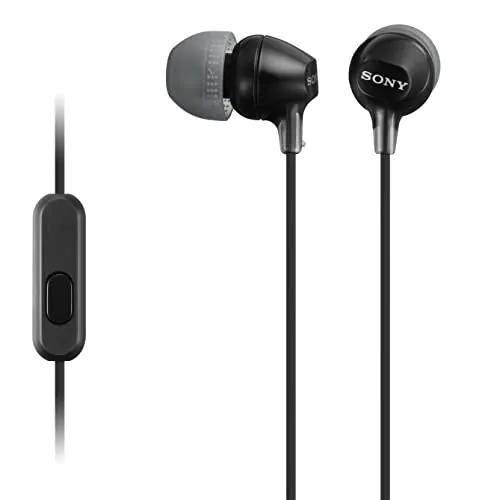
Choose Sony MDREX15AP if you want a low-cost, plug-and-play wired earbud for everyday listening and calls, and you value broad customer sentiment and higher overall scoring.
Choose Skullcandy Smokin’ Buds if you want true wireless earbuds with touch controls, EQ modes, a pocketable charging case, and IPX4 resistance—while accepting more mixed feedback around long-term reliability.
Overall winner
Depends on your needs
| Metric | Skullcandy Smokin’ Buds | Sony MDREX15AP | Winner | Explanation |
|---|---|---|---|---|
| Overall score | 69 | 72 | Sony MDREX15AP | Higher overall score in the provided scoring data. |
| Audio quality | Higher audio score; reviews highlight strong bass/clear sound | Good sound for price; 9 mm driver noted | Skullcandy Smokin’ Buds | Audio scoring favors Skullcandy, though both have positive sound/value feedback. |
| Connectivity type | Bluetooth 5.0 true wireless | Wired 3.5 mm | Depends | Wireless is more convenient; wired avoids pairing and wireless dropouts. |
| Battery / power | Up to 20 hrs total + Rapid Charge | No battery needed | Depends | Skullcandy offers rated runtime; Sony avoids charging entirely. |
| Water resistance | IPX4 rated | Not water resistant | Skullcandy Smokin’ Buds | Better suited for sweat/rain based on the IP rating. |
| Controls | Touch controls + EQ mode switching | In-line remote/media control | Skullcandy Smokin’ Buds | More on-ear features (EQ modes, touch control, voice assistant activation). |
| Usability / setup | Wireless setup; generally easy but can involve Bluetooth quirks | Plug-and-play; higher setup/usability scores | Sony MDREX15AP | Scoring favors Sony for usability and setup simplicity. |
| Portability | Compact with case; strong portability score | Extremely light; strong portability score | Sony MDREX15AP | Both are portable, but Sony’s weight and simplicity edge it in the scoring. |
| Reliability & durability | Repeated charging/one-bud failure complaints | Mixed quality; reports of breakage/one side failing | Sony MDREX15AP | Neither is perfect, but the reliability/durability scores are less negative for Sony. |
| Customer sentiment | 4.4/5 with ~6.8k reviews; value/sound praised, reliability mixed | 4.3/5 with ~28k reviews; value/comfort praised, durability/mic mixed | Sony MDREX15AP | Much larger review base and higher customer satisfaction score in the provided data. |
For real-world performance, the choice is mostly about listening consistency and how you connect. Skullcandy Smokin’ Buds scores higher for audio quality and is voiced for strong, clear sound, with reviews often praising bass and clarity. However, its performance can be undermined by the reliability and Bluetooth issues mentioned in the aggregated feedback.
Sony MDREX15AP scores slightly lower for audio but tends to deliver consistent playback because it’s wired—no pairing, no wireless dropouts, and no battery warnings mid-session. If you want the most consistent day-to-day listening experience, Sony has the edge; if you want the stronger sound scoring and wireless freedom, Skullcandy is more compelling.
In this context, “speed” is mostly about startup and responsiveness. Sony MDREX15AP is effectively instant: plug in and audio plays with no pairing step. Skullcandy Smokin’ Buds adds wireless steps (pairing/reconnecting) and has a listed 200 ms audio latency, which may matter for some video or gaming setups.
Skullcandy Smokin’ Buds has the clearest reliability red flags in the provided data: the aggregated summary and reviews repeatedly mention Bluetooth issues, charging problems, and one-earbud failures (including reports of a bud refusing to charge over time).
Sony MDREX15AP also has mixed reliability feedback, including one-side failures and durability complaints, but it avoids wireless-related issues by design. If reliability is your top priority, Sony is the safer of the two based on scores and sentiment, though neither is problem-free.
Sony MDREX15AP is generally easier to use: plug into a 3.5 mm jack (or adapter) and go, with straightforward in-line controls. The provided scoring also puts Sony ahead for usability and setup.
Skullcandy Smokin’ Buds is convenient once paired—touch controls and case charging are helpful—but the review summary points to occasional Bluetooth and charging friction, which can impact day-to-day ease. If you want the lowest-effort experience, Sony takes this category.
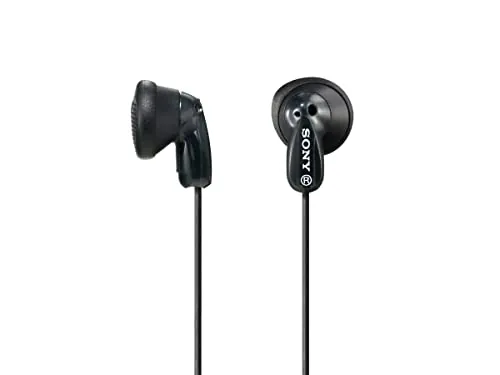
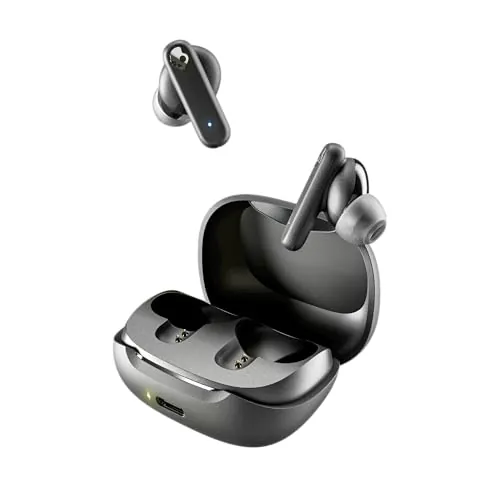
Skullcandy Smokin’ Buds is designed around modern true wireless ergonomics with rounded tips and a pocketable case, plus touch input on the earbuds. Sony MDREX15AP focuses on minimal weight and a classic in-ear shape with hybrid silicone tips and multiple sizes to dial in fit.
Design preference is largely lifestyle-driven: Skullcandy is better for cable-free use and active days; Sony is better if you want something extremely light and don’t mind a cord.
Both products have mixed build-quality and durability feedback in the provided data. Skullcandy Smokin’ Buds lists renewable plastics and recyclable packaging, but its scoring and reviews highlight durability/reliability weaknesses—especially charging and one-earbud failures.
Sony MDREX15AP is lightweight and simple, yet review summaries mention units breaking after a short period for some users and common cable-related wear issues. Neither stands out as a long-term durability champion based on the provided information, but Sony’s reliability/durability scores are slightly higher.
Durability concerns appear for both products. Skullcandy Smokin’ Buds is frequently criticized for charging-related failures, which can effectively end the product’s usable life. Sony MDREX15AP has multiple mentions of short lifespan or breakage (often consistent with cable strain wear), and reviewers sometimes note the cable feels thin.
If you want to reduce durability risk, consider your use pattern: heavy daily wireless use may expose Skullcandy’s charging issues, while rough on-the-go use or sleeping on wired earbuds can accelerate cable wear on the Sony.
Both are highly portable, but they’re portable in different ways. Skullcandy Smokin’ Buds travels as earbuds plus a charging case, which is convenient for all-day wireless use. Sony MDREX15AP is extremely light and compact, but you must manage a cable.
If you want pocket simplicity with no battery management, Sony wins; if you want “carry-and-charge” convenience for wireless listening, Skullcandy wins.
Skullcandy Smokin’ Buds clearly offers the richer feature set: touch controls, preset EQ modes (Music/Movie/Podcast), voice assistant activation, a charging case, and Rapid Charge. It also adds IPX4 water resistance and a sustainability-focused materials/packaging message in the listing.
Sony MDREX15AP keeps features minimal—an integrated in-line mic/remote and a tangle-reducing Y-type cable with cord slider. If you want modern controls and modes, Skullcandy wins; if you want fewer features and fewer things to manage, Sony’s simplicity is the feature.
Sony MDREX15AP is the simplest setup: insert tips that fit, plug in, and you’re done—reflected by the higher setup score. Skullcandy Smokin’ Buds is still fairly easy to start with, but true wireless setup inherently includes pairing and ongoing charging habits, and the review summary notes occasional connectivity and charging headaches.
Skullcandy Smokin’ Buds is designed for Bluetooth use with phones and other wireless-capable devices, which can be broadly compatible across iPhone and Android (as indicated in the listing). Sony MDREX15AP is compatible with devices that have a 3.5 mm headphone jack; for many modern phones, that may require an adapter.
If you regularly switch between devices with Bluetooth, Skullcandy is easier. If you mostly use a PC, older phone, or any device with a 3.5 mm jack, Sony is straightforward.
Audio is a strength for both at their prices, but the scoring favors Skullcandy Smokin’ Buds (higher audio_quality_score). Reviews frequently mention clear sound and strong bass, and the earbuds include preset EQ modes to better match music, movies, or podcasts.
Sony MDREX15AP also earns positive sound comments for the cost, with a 9 mm driver highlighted in the listing and many reviewers describing the sound as clear and balanced. If you want the best audio scoring and EQ options, Skullcandy leads; if you want a straightforward, wired “good enough” sound that many buyers are happy with, Sony is a safe pick.
Skullcandy Smokin’ Buds uses Bluetooth 5.0 with a listed range of 10 meters, which is convenient across phones, tablets, and laptops—but the review summary includes complaints about Bluetooth connectivity and dropouts for some users.
Sony MDREX15AP is wired via a 3.5 mm jack, which typically means stable, low-friction connectivity as long as your device supports it (or you have an adapter). For pure connection stability and simplicity, Sony wins; for freedom from cables, Skullcandy wins.
Skullcandy Smokin’ Buds is rated for up to 20 hours total (8 hours in the earbuds plus 12 in the case) and supports Rapid Charge (2 hours listening from a 10-minute charge). However, customer feedback on battery/charging is mixed, with some praising battery and others reporting charging problems.
Sony MDREX15AP doesn’t use a battery, which can be a practical advantage for long sessions, travel days, or backup use—assuming you have a compatible port/adapter.
Skullcandy Smokin’ Buds is designed for portable battery use and includes Rapid Charge, but user feedback on charging consistency is mixed. Sony MDREX15AP doesn’t have a battery, so efficiency is effectively a non-issue; it draws power only as a passive wired headset.
Both products score well for value and are repeatedly described as good value in customer summaries. Skullcandy Smokin’ Buds offers more “modern” value through wireless convenience, EQ modes, a charging case, and IPX4 resistance—features that can matter a lot day to day. Sony MDREX15AP offers value through simplicity, extremely low cost of entry, and widespread buyer satisfaction across a very large review base.
Value comes down to which trade-offs you prefer: more features with more reported reliability risk (Skullcandy) versus fewer features but straightforward operation and broad buyer acceptance (Sony).
The provided scoring favors Sony for brand trust. Skullcandy includes a 1-year USA limited warranty per listing, which is helpful, but brand trust and long-term confidence are reduced by the repeated reliability issues noted in the review summary. If brand reputation and confidence matter, Sony has the advantage in the provided data.
Sony MDREX15AP leads on customer satisfaction in the provided scoring and has a much larger review count, with many buyers praising comfort and sound for the price. Complaints cluster around durability and mic performance.
Skullcandy Smokin’ Buds has a slightly higher star rating with fewer reviews, and customers often praise sound, comfort, and value. However, the review summary flags more frequent concerns around Bluetooth connectivity and charging/one-earbud failures, which can weigh heavily on satisfaction over time.
Skullcandy Smokin’ Buds explicitly lists a 1-year USA limited warranty. For Sony MDREX15AP, no warranty details are provided in the supplied data, so it’s hard to compare support terms directly. If warranty clarity matters, Skullcandy is the only one with a clearly stated warranty in this dataset.
Sony MDREX15AP is the better overall pick in this matchup based on the provided overall score and stronger customer satisfaction and brand trust scores, reinforced by a very large review base. It’s especially compelling if you want effortless plug-and-play listening with no pairing, no battery management, and consistent wired connectivity.
Skullcandy Smokin’ Buds remains the better option for shoppers who specifically want true wireless convenience at a low price, plus practical add-ons like IPX4 sweat/water resistance, a charging case, Rapid Charge, and on-ear EQ modes. The trade-off is clear in the data: reliability and durability concerns (particularly charging/one-earbud issues) show up repeatedly. Choose based on whether you value wireless features more than long-term confidence.
Overall winner
Depends on your needs
Based on the provided overall scores, Sony MDREX15AP ranks higher overall (72 vs 69). It also has stronger customer satisfaction and brand trust scores, supported by a much larger review count. Skullcandy Smokin’ Buds can still be a better fit if you specifically want true wireless convenience, an IPX4 rating, and touch controls with EQ modes.
Both target good sound for the price, but the scoring favors Skullcandy Smokin’ Buds for audio quality (higher audio score and reviews emphasizing strong bass and clear sound). Sony MDREX15AP is also frequently described as clear and balanced, with a 9 mm driver noted in the listing. If you want wireless and a bass-forward presentation, Skullcandy is the safer pick on the provided data.
Sony MDREX15AP scores higher for usability and setup, largely because a wired 3.5 mm connection avoids pairing steps and battery management. Skullcandy Smokin’ Buds adds convenience in other ways (touch controls, charging case, quick top-ups), but reviews and scores also point to more potential friction from Bluetooth and charging-related issues.
This comparison depends on what you mean by “battery.” Skullcandy Smokin’ Buds is rated up to 20 hours total (8 hours earbuds + 12 hours case) and supports Rapid Charge. Sony MDREX15AP is wired and doesn’t rely on a battery at all, which many buyers prefer for long sessions where you don’t want charging interruptions.
Skullcandy Smokin’ Buds is the more workout-friendly option on paper because it has an IPX4 sweat and water resistance rating and no cable to snag. Sony MDREX15AP is listed as not water resistant and uses a wired cable, which can be less convenient during running or gym use.
Neither model is described as flawless. Skullcandy Smokin’ Buds has a notably low reliability/durability scoring and the review summary repeatedly highlights charging and one-earbud failure problems. Sony MDREX15AP also has mixed reliability and durability feedback (including reports of breakage or one side failing), but its reliability and customer satisfaction scores are higher in the provided data.
Both include a microphone, and reviews for each mention using them for calls. Skullcandy Smokin’ Buds has a mic in each earbud and wireless convenience, but some users report connectivity/reliability issues that can affect call consistency. Sony MDREX15AP has an integrated mic with in-line controls; reviews are mixed, with some praising call clarity and others finding mic performance not great.
Neither product is described as having active noise canceling (ANC) in the provided data. Both list sound isolation as the noise control type, which depends heavily on tip fit and seal. Review summaries for both mention mixed outcomes—some users feel they block outside noise well, while others say noise reduction is limited.
Both score strongly for value in the provided scoring, and customer summaries for both emphasize “good value for the price.” Skullcandy Smokin’ Buds adds wireless features (touch controls, EQ modes, charging case, IPX4), which can improve value if you’ll use them. Sony MDREX15AP delivers very low-cost, simple wired listening with strong review volume, which many buyers consider a practical value choice.
Check our rankings and expert guides to find the best electronics products for your goals.