#1 Overall Winner
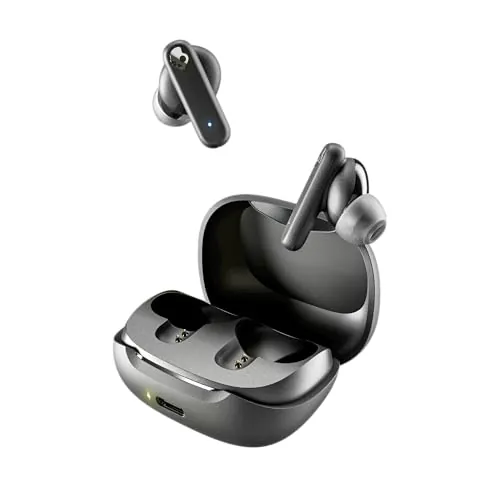
Skullcandy Smokin’ Buds Wireless Earbuds (True Black)
- Wireless Bluetooth 5.0 convenience with true wireless earbuds and a charging case included.
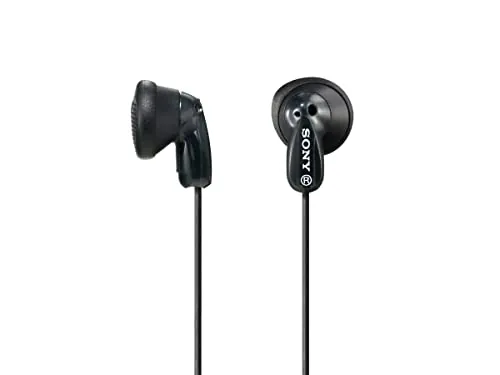
Comparison
Skullcandy Smokin’ Buds and Sony MDRE9LP target budget buyers, but they solve different problems: Skullcandy focuses on true wireless convenience, sound isolation, and extra features, while Sony keeps things simple with a wired 3.5 mm connection. On scores, Sony leads overall, but Skullcandy leads for audio quality and features—making the “winner” depend on whether you want wireless and IPX4, or plug-and-play simplicity and higher reliability scores.
#1 Overall Winner
Contender
Choose Sony MDRE9LP if you want an inexpensive, plug-and-play wired earbud for compatible 3.5 mm devices and you prioritize value, brand trust, and high overall satisfaction.
Choose Skullcandy Smokin’ Buds if you want true wireless earbuds with touch controls, EQ modes, IPX4 water resistance, and stronger audio scoring—while being comfortable with more mixed reliability feedback.
Overall winner
Depends on your needs
| Metric | Skullcandy Smokin’ Buds | Sony MDRE9LP | Winner | Explanation |
|---|---|---|---|---|
| Type | True wireless (Bluetooth) | Wired (3.5 mm jack) | Depends | Choose wireless convenience (Skullcandy) or simple wired reliability/no charging (Sony). |
| Overall score | 69 | 72 | Sony | Sony edges overall based on scoring, driven by value, satisfaction, and brand trust. |
| Audio quality (score) | Higher (82) | Lower (64) | Skullcandy | Skullcandy rates stronger for sound in the scoring and is positioned around “big, clean sound.” |
| Features (score) | More features (72) | Basic features (45) | Skullcandy | EQ modes, touch controls, and a charging case vs a straightforward wired earbud. |
| Battery / power | Up to 20 hours total + rapid charge | No battery required | Depends | Skullcandy wins for cordless runtime; Sony wins for zero charging needs. |
| Water resistance | IPX4 | Not listed | Skullcandy | Skullcandy is explicitly rated for sweat/water resistance. |
| Connectivity (score) | 61 (Bluetooth 5.0) | 72 (3.5 mm) | Sony | Wired connection avoids pairing and many wireless dropouts; scores reflect that advantage. |
| Reliability & durability (scores) | Reliability 42 / Durability 40 | Reliability 58 / Durability 54 | Sony | Skullcandy has repeated reports of charging/one-bud failures; Sony rates higher on consistency. |
| Portability (score) | 88 | 90 | Sony | Both are very portable; Sony is extremely lightweight, while Skullcandy adds a case. |
| Value (score) | 84 | 92 | Sony | Sony’s value score is higher, supported by large review volume and satisfaction for basic use. |
For everyday listening performance, the two models lean in different directions. Skullcandy Smokin’ Buds performs best when you want a more immersive in-ear experience, with stronger audio scoring and a noise-isolating fit that can reduce outside sound depending on seal. Sony MDRE9LP is more about dependable basic playback through a wired connection, which can be advantageous for stable, interruption-free listening on devices with a 3.5 mm jack.
In the provided scoring, Skullcandy leads on audio quality, while Sony’s overall performance score is lower but backed by high satisfaction for basic use. If you value “set it and forget it” playback over features, Sony’s wired approach can feel more consistent day to day; if you want better sound scoring and wireless freedom, Skullcandy has the edge—assuming you get a good unit and fit.
Sony MDRE9LP rates higher for reliability and durability in the provided scoring and is frequently described as dependable for basic use in reviews. That said, durability feedback remains mixed, with some reports of early failure.
Skullcandy Smokin’ Buds is the riskier pick for reliability: the score interpretation and aggregated feedback highlight repeated complaints about charging issues and one earbud not working, plus some Bluetooth instability. If reliability is your top priority, Sony is the safer bet on the provided data.
Usability is close in score, but the experience differs. Sony MDRE9LP is straightforward: plug in and listen—no pairing, no charging, and little learning curve, reflected in its strong setup score. Skullcandy Smokin’ Buds adds touch controls and EQ switching, which can be convenient once learned, but you also have to manage pairing and charging.
Reviews suggest Skullcandy is easy to use for calls and daily listening when it behaves well, but there are also complaints around Bluetooth and one-bud/charging behavior that can disrupt usability over time.
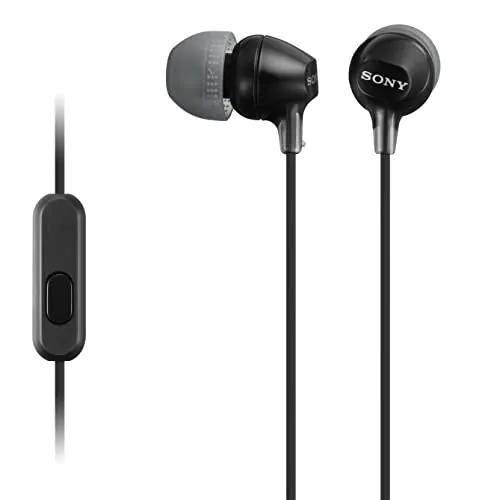
Skullcandy Smokin’ Buds uses an in-ear, rounded-tip design intended for an ergonomic seal and sound isolation, plus a pocketable case. Sony MDRE9LP is extremely lightweight and compact, with a simple rounded-tip earbud design and a cord.
If you prefer cable-free use and an in-ear seal, Skullcandy’s design is the better match. If you want the smallest, lightest solution and don’t mind a cable (or you prefer it), Sony’s design is more minimal and carry-friendly.
Neither product scores as “premium” in build quality, but Sony MDRE9LP rates slightly higher in build quality and durability than Skullcandy in the provided scoring. The Sony is a lightweight wired design; reviews include both long-lasting experiences and reports of early breakage.
Skullcandy Smokin’ Buds is made with 50% certified recyclable plastics and includes a case, but it scores lower for build quality/durability, with repeated user complaints focused on charging and one-earbud failures—issues that can feel like build or component consistency problems in real use.
Durability scores favor Sony MDRE9LP (higher durability score), though reviews still include some reports of breakage after a short time. Skullcandy Smokin’ Buds scores lower for durability and has repeated review themes around charging failures that shorten usable lifespan for some owners. For long-term, low-hassle ownership, the data points more strongly toward Sony—while Skullcandy can be satisfying when the unit remains trouble-free.
Both are highly portable in scoring. Sony MDRE9LP is extremely light and easy to toss in a pocket or bag. Skullcandy Smokin’ Buds is also portable and travel-friendly thanks to a compact case that stores and charges the earbuds. If you dislike cables, Skullcandy’s case-based portability may feel more convenient; if you want the lightest carry and don’t mind cord management, Sony has the edge.
Skullcandy Smokin’ Buds is clearly the more feature-rich option: true wireless operation, touch controls, EQ mode switching (Music/Movie/Podcast), a mic in each earbud, voice assistant activation, a charging case, and IPX4 water resistance.
Sony MDRE9LP is intentionally minimal: a wired 3.5 mm earbud with silicone tips and no noise control listed. If you want modern convenience features, Skullcandy wins; if you want the fewest moving parts and the least to manage, Sony’s simplicity is the feature.
Sony MDRE9LP is faster to set up: plug into a 3.5 mm jack and you’re done, which matches its high setup score. Skullcandy Smokin’ Buds requires Bluetooth pairing and ongoing charging, but it also provides modern conveniences like touch controls and EQ switching once you’re connected.
If you want the least friction on day one (and every day), Sony wins setup. If you’re comfortable with wireless setup for the benefits of cable-free use, Skullcandy is still straightforward when pairing behaves normally.
Skullcandy Smokin’ Buds is listed as compatible with cellphones and uses Bluetooth, making it broadly compatible with modern phones and tablets that support wireless audio. Sony MDRE9LP is listed as compatible with portable media players and relies on a 3.5 mm jack.
The practical choice depends on your devices: if your phone lacks a headphone jack and you don’t want an adapter, Skullcandy is simpler. If you use laptops/desktops, audio interfaces, or older hardware with a 3.5 mm port, Sony is easy and predictable.
Audio is the biggest split. In scoring, Skullcandy Smokin’ Buds rates notably higher for audio quality, and its product positioning emphasizes “full, clear sound,” with EQ presets for tailoring sound to music, movies, or podcasts. Multiple reviews mention clear sound and satisfying bass for the price.
Sony MDRE9LP has more mixed audio sentiment: many reviews call the sound good for the price, while others report a tinny balance or limited bass at louder volumes. If you’re choosing primarily for better audio scoring and more sound shaping, Skullcandy leads; if you want acceptable basic sound with a wired connection, Sony can still fit the bill depending on your expectations.
Skullcandy Smokin’ Buds uses Bluetooth 5.0 (listed range 10 meters). It offers wireless freedom, but aggregated feedback includes connectivity complaints, and its connectivity score is lower.
Sony MDRE9LP uses a 3.5 mm wired connection. That typically means stable audio without pairing, and its connectivity score is higher. The trade-off is device support: many modern phones may require an adapter, while laptops, desktops, and older devices often work directly.
Skullcandy Smokin’ Buds is rated up to 20 hours total (8 hours in the earbuds + 12 hours from the case) and includes Rapid Charge (2 hours from a 10-minute charge). Customer feedback is mixed: some praise long battery life, while others report charging problems.
Sony MDRE9LP is wired, so there is no battery to manage. If you want cordless runtime, Skullcandy is the option; if you want to avoid battery wear and charging issues entirely, Sony’s wired design is the safer choice.
Sony MDRE9LP scores much higher for power efficiency because it doesn’t need battery charging and draws power directly from the source device. Skullcandy Smokin’ Buds is still efficient for a wireless product, but it’s inherently limited by battery capacity and charging behavior, and some users report charging issues that can reduce practical efficiency.
Both products score well for value, but Sony MDRE9LP leads on the provided value score and has a very large review base with strong customer satisfaction for basic wired listening. It’s a straightforward purchase when you want minimal features but dependable everyday audio on compatible devices.
Skullcandy Smokin’ Buds can also be strong value because it adds true wireless convenience, a case, EQ modes, touch controls, and IPX4 resistance—features you don’t get on a basic wired earbud. The value trade-off comes down to risk tolerance: reliability and durability scores are much lower, and repeated charging/one-bud complaints can reduce long-term value for heavy users.
Sony scores higher for brand trust in the provided data, supported by reviews describing long-term familiarity with the model line. Skullcandy is still reasonably rated for brand trust, and it includes a stated 1-year USA limited warranty, but the product’s reliability scoring and repeated charging complaints can reduce buyer confidence compared with Sony in this specific matchup.
Sony MDRE9LP has higher customer satisfaction scoring and a larger review count, indicating broad acceptance for what it is: a basic, inexpensive wired earbud. Reviews frequently mention comfort and easy wear, though sound and durability experiences vary.
Skullcandy Smokin’ Buds has strong satisfaction overall and many positive sound/value comments, but aggregated feedback shows more pronounced negatives around Bluetooth stability and charging/one-earbud failures. If you want fewer reported ownership headaches, Sony’s satisfaction profile is stronger.
Skullcandy Smokin’ Buds explicitly includes a 1-year USA limited warranty. For Sony MDRE9LP, warranty terms are not provided in the supplied data, and the warranty/support score is lower. If warranty clarity matters, Skullcandy has the clearer, stated coverage here.
Sony MDRE9LP is the better overall pick by score for buyers who want the most straightforward, low-cost earbud experience: plug in, listen, and avoid charging and Bluetooth troubleshooting. It also leads on value, brand trust, and customer satisfaction in the provided data.
Skullcandy Smokin’ Buds remains the better choice when wireless convenience is non-negotiable and you want stronger audio scoring plus useful extras like EQ modes, touch controls, rapid charge, and IPX4 water resistance. The key caveat is reliability: the data highlights repeated charging and one-earbud failure complaints, so it’s a better fit when you prioritize features and sound over long-term consistency.
Overall winner
Depends on your needs
Based on the provided scores, Sony MDRE9LP ranks higher overall (72 vs 69). It scores especially well for value, setup simplicity, brand trust, and customer satisfaction. Skullcandy Smokin’ Buds is the better pick if you specifically want true wireless convenience, IPX4 water resistance, and a stronger audio quality score—while accepting more reported reliability risk.
From the scoring data, Skullcandy Smokin’ Buds rates higher for audio quality (82 vs 64). Reviews commonly describe its sound as clear with strong bass, and it includes EQ modes (Music/Movie/Podcast). Sony MDRE9LP gets mixed sound feedback: many say it sounds good for the price, but others describe it as tinny, so results can depend on expectations and fit.
Sony MDRE9LP scores higher for reliability and durability than Skullcandy in the provided scoring. Customer feedback for the Skullcandy Smokin’ Buds specifically mentions recurring problems like one earbud failing or charging issues, plus some Bluetooth connectivity complaints. Sony’s durability feedback is still mixed (some reports of breakage), but it has fewer charging-related failure points because it’s wired.
Sony MDRE9LP is the simplest: plug the 3.5 mm jack in and listen, reflected by its higher setup score. Skullcandy Smokin’ Buds adds wireless pairing and charging management, but it also offers touch controls, EQ switching, and a built-in mic in each earbud for calls. If you prefer fewer steps and no charging, Sony is typically easier.
Skullcandy Smokin’ Buds is better suited to workouts because it has an IPX4 sweat and water resistance rating and is cable-free. The Sony MDRE9LP has no water-resistance rating listed and uses a cord, which some people find less convenient during exercise. Fit is personal for both, though, and reviews for each include mixed comments about staying in place.
Neither product is listed as having active noise cancelling. Skullcandy Smokin’ Buds lists sound isolation, which depends on the ear tip seal and can reduce outside noise passively. Sony MDRE9LP lists no noise control. If outside-noise reduction is important, the in-ear seal on the Skullcandy model is the more relevant factor based on the provided specs.
Skullcandy Smokin’ Buds is rated for up to 20 hours total (8 hours in the earbuds plus 12 hours in the case) and includes rapid charge (2 hours from a 10-minute charge). Sony MDRE9LP is wired, so it does not use a battery at all. If you want cordless listening time, Skullcandy is the option; if you want zero charging, Sony wins.
Both score well for value, but Sony MDRE9LP has the higher value score in the provided data and a very large pool of positive customer feedback for basic wired listening. Skullcandy Smokin’ Buds also scores strongly for value and includes wireless features (charging case, touch controls, EQ modes, IPX4), but its reliability/durability scores and repeated charging/one-bud issues reduce confidence for some buyers.
Check our rankings and expert guides to find the best electronics products for your goals.