#1 Overall Winner
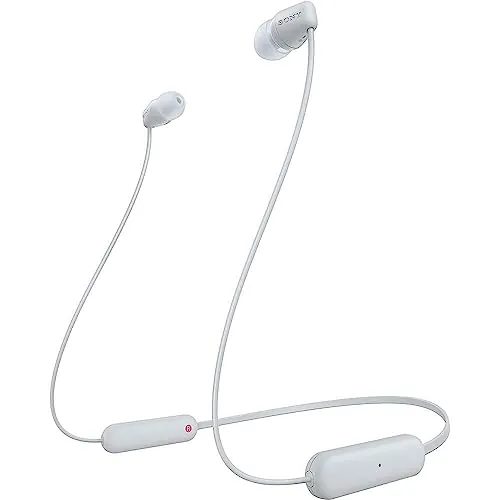
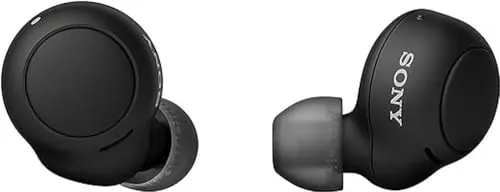
Sony WF-C500
- Strong battery and portability focus with very high portability scoring and positive battery feedback in many reviews.
Comparison
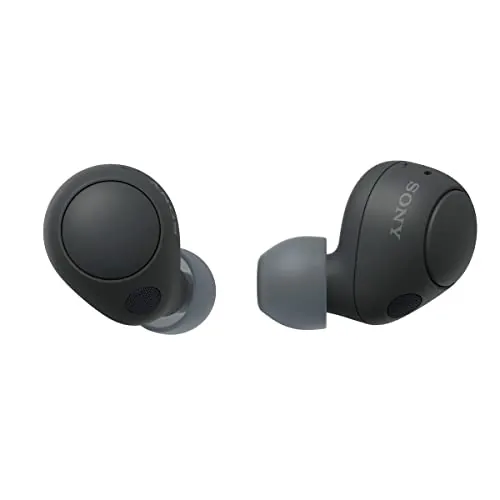
The Sony WF-C500 and WF-C700N are compact true wireless earbuds that target everyday listening, calls, and commuting. The WF-C700N is the more feature-complete option thanks to ANC, Ambient Sound, and multipoint , while the WF-C500 leans harder into value and battery-centric everyday use . On the provided scores, WF-C700N is the stronger overall pick, but WF-C500 can be the smarter buy if you don’t need noise cancelling.
#1 Overall Winner
Contender
Choose the Sony WF-C700N if you want ANC, Ambient Sound, multipoint switching, and an IPX4 rating for workouts and commuting.
Choose the Sony WF-C500 if you want a simpler, lower-cost Sony earbud with strong portability and value scoring, and you don’t need active noise cancelling.
Overall winner
Depends on your needs
| Metric | Sony WF-C500 | Sony WF-C700N | Winner | Explanation |
|---|---|---|---|---|
| Overall score | 75 | 82 | WF-C700N | Higher overall balance across usability, design, audio, and connectivity in the provided scoring. |
| Noise control | None (spec) | Active Noise Cancellation + Ambient Sound (details/spec) | WF-C700N | WF-C700N adds ANC and transparency features; WF-C500 relies on passive isolation. |
| Audio quality score | 78 | 84 | WF-C700N | Both support DSEE and app EQ; WF-C700N scores higher for audio quality. |
| Battery life score | 81 | 79 | WF-C500 | WF-C500 scores slightly higher for battery life; both get mixed but generally positive battery feedback. |
| Connectivity score | 62 | 73 | WF-C700N | WF-C700N scores higher and includes multipoint; WF-C500 reviews mention pairing/switching frustration for some. |
| Bluetooth version | 5.0 | 5.2 | WF-C700N | WF-C700N uses a newer Bluetooth version per provided specifications. |
| Water resistance | Water resistant (no IP rating provided) | IPX4 water resistance | WF-C700N | WF-C700N states an IPX4 rating; WF-C500 is described as water resistant/sweatproof but without an IP rating here. |
| Portability score | 88 | 93 | WF-C700N | Both are pocketable, but WF-C700N scores higher for portability. |
| Customer satisfaction | 4.2/5 (15,071 reviews) | 4.2/5 (3,467 reviews) | Tie | Same star rating; WF-C500 has far more review volume, while both have mixed feedback on fit/connectivity/reliability. |
| Value score | 82 | 80 | WF-C500 | WF-C500 rates slightly higher for value in the provided scoring, especially if you don’t need ANC/multipoint. |
For everyday listening performance, both earbuds aim for solid sound in a compact true wireless design, with DSEE support and app-based EQ shaping. Based on the provided scores, the WF-C700N edges ahead on overall performance and audio quality, and it also adds performance benefits that matter in real life—most notably active noise cancelling and Ambient Sound mode for commuting and office use.
The WF-C500 can still deliver satisfying sound for the price and is often praised for battery and day-to-day use, but without ANC its performance in noisy environments relies heavily on seal and fit (which is mixed in reviews).
Reliability feedback is mixed on both, but the WF-C700N scores higher for reliability and durability in the provided scoring. The WF-C500 has more notable negative patterns in the provided review summary, including reports of a right earbud failing and pairing issues. WF-C700N reviews also mention connection and charging/disconnect quirks for some users, so it’s not risk-free—just comparatively better supported by the scoring.
With a higher usability score, the WF-C700N is the easier day-to-day option for many users, mainly because its feature set reduces friction: multipoint helps with switching between devices, and ANC/Ambient modes can be changed quickly. Reviews also frequently describe it as lightweight and comfortable for long sessions.
The WF-C500 is straightforward, but reviews mention usability pain points like needing to keep charging contacts clean, occasional pairing issues, and frustration when switching between devices. If you tend to use earbuds with both a laptop and a phone, these complaints matter.
Both earbuds are designed for portability, with small cases and in-ear fit. The WF-C700N rates higher for design and is repeatedly described as small, lightweight, and comfortable—even for longer wear. The WF-C500 is also compact and secure for many, but fit feedback is more mixed, with some users describing discomfort or a tendency for the buds to tilt over time.
Both models use plastic enclosures and compact charging cases, but the provided scores and review summaries favor the WF-C700N for build quality and longer-term durability. The WF-C500 receives mixed durability feedback, including reports of early failures (notably a right earbud stopping working for some users). As with most true wireless earbuds, keeping the case and charging contacts clean appears important for consistent performance.
The WF-C700N has the advantage on paper for durability thanks to its higher durability score and its stated IPX4 rating for sweat and splashes. The WF-C500 is described as water resistant/sweatproof in the provided data, but durability feedback is mixed and includes reports of failures within a year for some. For either model, careful handling and keeping case contacts clean can help reduce day-to-day issues.
Both are designed to be pocketable with compact charging cases, and both score very well for portability. The WF-C700N scores slightly higher and is described as lightweight with a pocket-sized cylindrical case. The WF-C500 also emphasizes a small case and light earbuds, making it easy to carry daily.
The biggest feature gap is noise management and device flexibility. The WF-C700N includes ANC, Ambient Sound mode, multipoint connection, and an IPX4 rating. It also supports quick charging and has easy mode switching.
The WF-C500 focuses on core essentials: Bluetooth listening, calls, and sound customization through Sony Headphones Connect (EQ presets/custom EQ) plus DSEE. If you don’t need ANC or multipoint, it keeps the feature set simpler while still providing Sony’s app-driven tuning tools.
Both earbuds tie into Sony’s Headphones Connect ecosystem for sound tuning. The WF-C500 specifically emphasizes presets and custom EQ, and the WF-C700N is frequently discussed in reviews as benefiting from app setup (EQ, mode control, and customization). With the provided scoring, the WF-C700N leads on app experience, though reviews for both mention occasional connectivity/app-related quirks depending on device and usage.
Both models support app-based tuning and DSEE, but the WF-C700N scores higher for smart features and adds noise-mode management (ANC and Ambient Sound). The WF-C500 highlights voice assistant access in its details and provides EQ customization through Sony Headphones Connect, but it doesn’t include the same noise-management feature set.
Setup is rated easier on the WF-C700N based on its higher setup score. The WF-C500 is generally easy to pair for many users, but the broader review summary includes pairing issues for some buyers. If you expect to connect to multiple devices and want smoother switching, WF-C700N’s multipoint can reduce setup friction over time.
Both earbuds are designed to work with common Bluetooth devices like smartphones, tablets, and laptops. The WF-C500 lists a broader set of compatible device types in the provided specs, while the WF-C700N lists core devices (cellphones, laptops, tablets). In real-world compatibility, the WF-C700N gets a practical edge from multipoint, which can make using two devices at once far easier.
Both the WF-C500 and WF-C700N support DSEE and sound tuning through Sony’s app, so you can tailor the sound signature with presets or EQ. On scoring, the WF-C700N leads in audio quality, and reviews often highlight clarity and a balanced presentation. The WF-C500 is widely praised for sound at its price, with many mentioning punchy bass and good volume, but expectations should be set below higher-end earbuds.
The WF-C700N is the stronger connectivity pick: it uses Bluetooth 5.2 and supports multipoint for staying connected to two devices. The WF-C500 uses Bluetooth 5.0 and has more mixed connectivity sentiment in the provided summaries, including reports of pairing issues and annoyance when switching between laptop and phone for some users.
Neither is immune to connection complaints—WF-C700N reviews also mention occasional quirks—but the scores and feature set lean toward WF-C700N for a smoother multi-device experience.
Battery is a close matchup with different strengths. The WF-C500 scores slightly higher for battery life and is frequently described as lasting a long time in customer feedback, though there are also complaints from some buyers about battery not meeting expectations or uneven charging behavior. The WF-C700N is rated for long battery life as well and adds quick charging (10 minutes for up to 1 hour playback), which is useful if you often top up before leaving the house.
In practice, the better choice is the one that fits your routine: longer endurance emphasis (WF-C500) versus quick top-ups and more features (WF-C700N).
If “value” means getting strong core performance for less complexity, the WF-C500 rates slightly higher on value in the provided scoring and has strong large-scale customer approval (high review count). It’s best value when you don’t need ANC, multipoint, or a stated IP rating.
The WF-C700N can still be better value for the right buyer because it adds tangible everyday features—ANC, Ambient Sound, multipoint, IPX4—and scores higher overall. The best value choice depends on whether those features solve real problems in your routine.
Both are Sony products, but the WF-C700N scores higher for brand trust and has stronger overall balance in the scoring set. The WF-C500 still benefits from Sony’s ecosystem and has a very large volume of customer feedback. However, recurring reliability complaints in the WF-C500’s review summary can affect buyer confidence compared with the WF-C700N.
Both products sit at 4.2/5 stars on Amazon, but the WF-C500 has a much larger review base (15,071 vs 3,467), which can be useful for spotting patterns. For WF-C500, customers commonly praise sound, battery, and value, while recurring negatives include fit comfort, connectivity (including iPhone pairing complaints), and reports of early failures.
For WF-C700N, customers often praise sound quality, comfort, and value, while noise cancelling, battery, fit, reliability, and connectivity all show mixed sentiment depending on the user and device.
Neither listing provides clear warranty terms in the provided data. Based on the scoring set, the WF-C700N rates higher for warranty/support than the WF-C500, but for either product it’s worth checking the retailer return window and support options before buying—especially given the mixed reliability and charging/connectivity feedback present in the review summaries.
The Sony WF-C700N is the better overall choice in this comparison, with a higher overall score and a more complete feature set for daily life—especially if you want noise cancelling, Ambient Sound mode, multipoint switching, and a stated IPX4 rating. It also rates higher for usability, design, and connectivity, making it a safer all-rounder on paper.
The Sony WF-C500 is still worth considering if you want to spend less and keep things simple. It scores strongly for value, portability, and battery, and many buyers are happy with the sound for the price. If you don’t need ANC or multipoint, WF-C500 can be a sensible pick—just go in aware of the more mixed reliability and connectivity feedback in the provided review summary.
Overall winner
Depends on your needs
Based on the provided scoring, the Sony WF-C700N ranks higher overall (82 vs 75). It scores especially well for usability, design, connectivity, and audio, and it adds ANC, Ambient Sound, and multipoint. The WF-C500 can still make sense if you want a simpler, lower-cost Sony option and you don’t need active noise cancelling or two-device switching.
No. The Sony WF-C700N includes Active Noise Cancellation and also has an Ambient Sound mode. The Sony WF-C500 lists noise control: none, so it relies on passive isolation from fit and ear tips. Customer feedback for the WF-C700N’s ANC is mixed, so expectations should be realistic at this price tier.
Battery depends on how you use them, but the provided data points in different directions. The WF-C500 lists a 10-hour average life and emphasizes all-day use with the case, while the WF-C700N highlights up to 15 hours total and quick charging (10 minutes for up to 1 hour). Reviews for both mention strong battery, but also some mixed experiences.
For commuting, the Sony WF-C700N is typically the better fit because it adds ANC to reduce background noise and an Ambient Sound mode for awareness. It also supports multipoint, which helps if you switch between a phone and a laptop. The WF-C500 is very portable and value-focused, but it won’t offer the same noise-management features.
The Sony WF-C700N is the clearer pick for workouts because it has an IPX4 water-resistance rating, designed for sweat and splashes. The WF-C500 is described as water resistant/sweatproof in the provided data, but no IP rating is listed here. If sweat protection is a priority, choosing the model with a stated IP rating is the safer decision.
On the provided scoring, the WF-C700N leads on usability (85 vs 73) and setup (80 vs 70). It also adds conveniences like multipoint and dedicated modes (ANC/Ambient). The WF-C500 remains straightforward and compact, but reviews mention occasional frustrations such as charging-case contacts and device switching being annoying for some users.
Yes—both show mixed reliability signals. The WF-C500 has lower reliability/durability scores and multiple review mentions of issues such as a right earbud failing and pairing/connectivity problems. The WF-C700N scores higher for reliability and durability, but customer sentiment still includes complaints about connection problems and charging/disconnect behavior. If reliability is crucial, keep return options in mind.
Yes. Both products list compatibility with common Bluetooth sources like phones, tablets, and laptops. The main compatibility advantage goes to the WF-C700N because it supports multipoint, letting you stay connected to two devices at once. With the WF-C500, some reviewers specifically call out that switching between laptop and phone can be inconvenient.
It depends on whether you’ll use the extra features. The WF-C500 scores higher on value in the provided scoring and is positioned as a budget-friendly option with strong sound tuning tools. The WF-C700N is priced higher, but it adds ANC, Ambient Sound, multipoint, and IPX4, and it scores higher overall—so it can be better value if those features matter for your daily use.
Check our rankings and expert guides to find the best electronics products for your goals.